Stock Futures Modestly Lower as Oil Prices Fluctuate


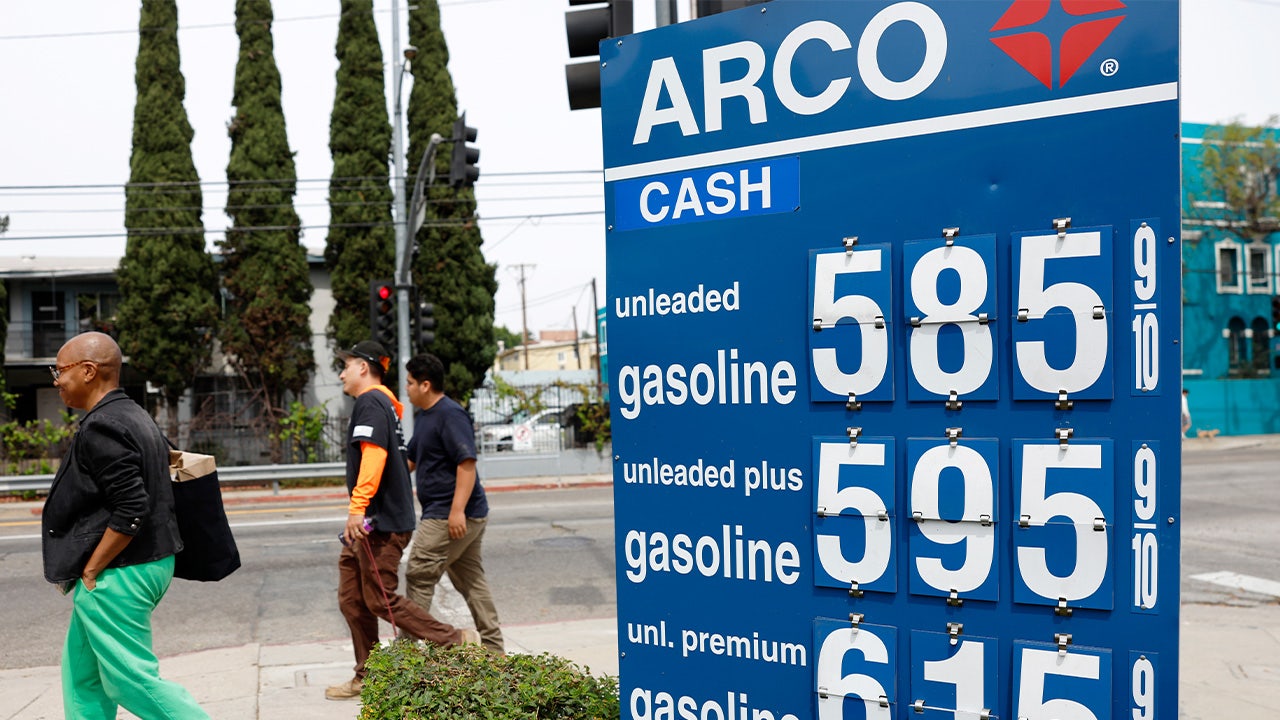
Stock futures are modestly lower in choppy pre-market trading as traders weigh shifting oil prices and a key inflation report. Markets are trading cautiously with volatile energy prices and ongoing geopolitical tensions in the Middle East.The dominant macro driver remains the energy market. Oil prices, which spiked above $100 and briefly approached $120 earlier in the week amid fears of disruptions to shipping through the Strait of Hormuz, have retreated significantly and are now trading below $90 after talk of a coordinated release of emergency reserves. The International Energy Agency is considering recommending a record release of roughly 400M barrels from global strategic stockpiles in an effort to stabilize energy markets following the conflict-driven supply shock, reports indicate.Despite the pullback in crude, markets remain sensitive to geopolitical developments. Reports of attacks on commercial vessels near the Strait of Hormuz have reinforced the fragility of global energy supply routes and kept risk sentiment unstable.Investors are also weighing inflation data that showed consumer prices rising in February. The consumer price index was up 0.3% on a month-over-month basis and up 2.4% compared to last year, both of which matched consensus.In pre-market trading, S&P 500 futures fell 0.23%, Nasdaq futures fell 0.20% and Dow futures fell 0.37%.Check out this morning's top movers from around Wall Street, compiled by The Fly.HIGHER -Nebiusup 10% after announcing $2B investment from Nvidiain strategic partnership to develop and deploy the next generation of hyperscale cloud for the AI marketUniFirstup 7% after entering into a definitive agreement under which Cintaswill acquire the company for $310.00 per share in cash and stockCarMaxup 6% after Starboard Value established a $350M stake in the companyUpstartup 2% after reporting its plan to submit an application to the Office of the Comptroller of the Currency and the Federal Deposit Insurance Corporation to establish an insured national bankUP AFTER EARNINGS -Target Hospitalityup 11%Oracleup 9%Sprinklrup 8%DOWN AFTER EARNINGS -AeroVironmentdown 11%Groupondown 11%Campbell'sdown 5%Cadredown 5%
Trade with 70% Backtested Accuracy
Analyst Views on KMX

About KMX
About the author


Rising Negative Equity Among New Car Buyers


- Rising Negative Equity: According to J.D. Power, 30.5% of new car buyers are facing negative equity on trade-ins, up 4.2 percentage points from last year, indicating increasing market pressures that affect consumer purchasing decisions.
- Record High Debt Levels: As of Q4 2025, the average amount owed on underwater trade-ins reached $7,214, a record high, with 27% of these trade-ins carrying over $10,000 in negative equity, reflecting a deterioration in consumer financial health.
- Increased Payment Burden: The average monthly payment for buyers rolling negative equity into new loans hit $916, which is $144 higher than the average payment for all new car purchases, indicating greater financial strain on consumers when buying vehicles.
- Extended Loan Terms Trend: Among new car purchases involving negative equity, 40.7% are financed with 84-month loans, suggesting that consumers are extending loan terms to cope with high vehicle prices, thereby increasing future negative equity risks.

CarMax to Report Q4 Financial Results on April 14

- Earnings Release Schedule: CarMax will report its financial results for the fourth quarter ended February 28, 2026, before the market opens on April 14, 2026, and will host a conference call at 9:00 a.m. ET, ensuring transparent communication of its performance to investors.
- Executive Participation: The call will feature Interim Executive Chair Tom Folliard, President and CEO Keith Barr, CFO Enrique Mayor-Mora, and EVP of CarMax Auto Finance Jon Daniels, highlighting the company's commitment to engaging with its investors.
- Financial Performance Overview: In the fiscal year ending February 2025, CarMax sold approximately 790,000 used vehicles and 540,000 wholesale vehicles, indicating strong market performance, while CarMax Auto Finance originated over $8 billion in auto loans, enhancing its nearly $18 billion loan portfolio.
- Company Background Information: As the largest retailer of used cars in the U.S., CarMax operates over 250 locations with more than 28,000 associates and has been recognized for 21 consecutive years as one of the Fortune 100 Best Companies to Work For, reflecting its leadership in the industry and commitment to employee satisfaction.
CarMax's New CEO Emphasizes Customer-Centric Leadership
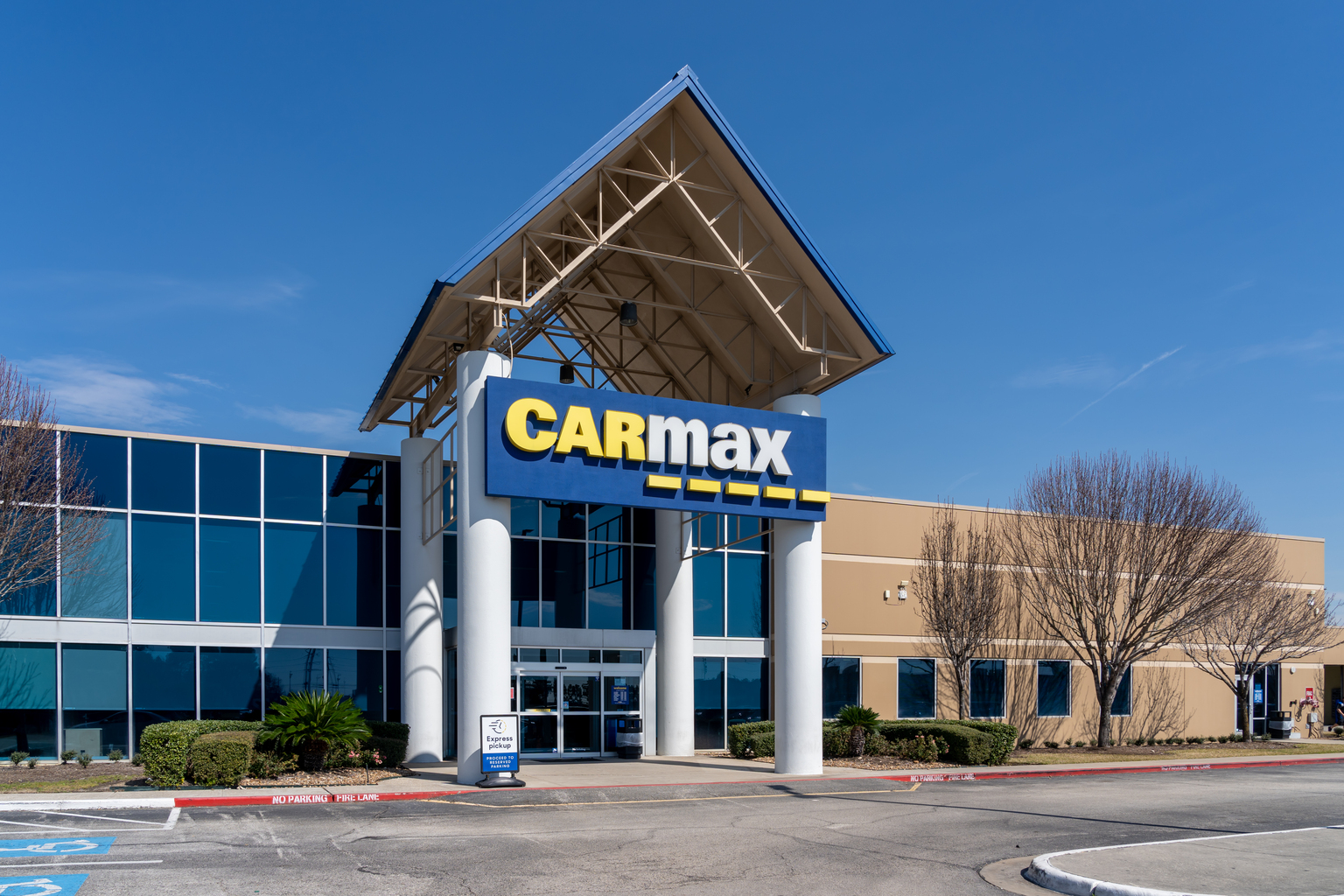
- Leadership Style Introduction: CarMax's new CEO Keith Barr emphasized a customer- and associate-centric leadership approach in his letter to shareholders, drawing on his successful experience in major hotel brands to enhance the company's competitiveness in the used car market.
- Brand and Market Advantages: Barr praised CarMax's trusted brand and its national footprint reaching 85% of the U.S. population, arguing that these strengths create a powerful platform for growth in the large, fragmented used car market.
- Technology-Driven Transformation: Barr plans to leverage technology to reduce digital friction and provide a simple, seamless, personalized omnichannel experience, thereby enhancing customer satisfaction and improving associate effectiveness to drive the company towards a more efficient operational model.
- Governance and Strategic Adjustments: In response to activist investor Starboard Value, Barr committed to implementing disciplined measures to refocus the organization, improve governance, and enhance CarMax's long-term potential to address recent performance challenges.

KSF Launches Investigation into CarMax Amid Financial Declines
- Financial Performance Decline: CarMax reported a 5.4% decrease in retail unit sales and a 6.3% drop in comparable store sales for Q2 2025, indicating significant market pressure that could adversely affect future profitability.
- Net Income Plummets: The company's net income for Q2 was approximately $95.4 million, down 28.2% from $132.8 million a year ago, reflecting a sharp decline in profitability that may erode investor confidence.
- Executive Turnover Impact: The unexpected departure of CarMax's CEO on November 6, 2025, along with a weak preliminary Q3 outlook, could exacerbate market concerns regarding the company's future performance.
- Legal Action Risks: CarMax and its executives are facing a securities class action lawsuit for failing to disclose material information during the class period, and KSF's investigation will assess whether executives breached fiduciary duties to shareholders, potentially leading to greater legal and financial risks for the company.

Analyst Claims Oracle Demonstrates Greater Resilience Despite AI Challenges; Also Featuring CarMax, Rivian, and Other Stocks.


Report Overview: Recent reports from investment and research firms provide insights into analysts' perspectives on various companies.
Disclaimer: The views expressed in these reports do not reflect the opinions or recommendations of Barron’s.
Investment Services: Some report issuers may have existing or potential investment-banking relationships with the companies analyzed.
Purpose of Reports: The reports serve as a sampling of market analysis rather than definitive investment advice.
Impact of Rising Gas Prices on EV Adoption

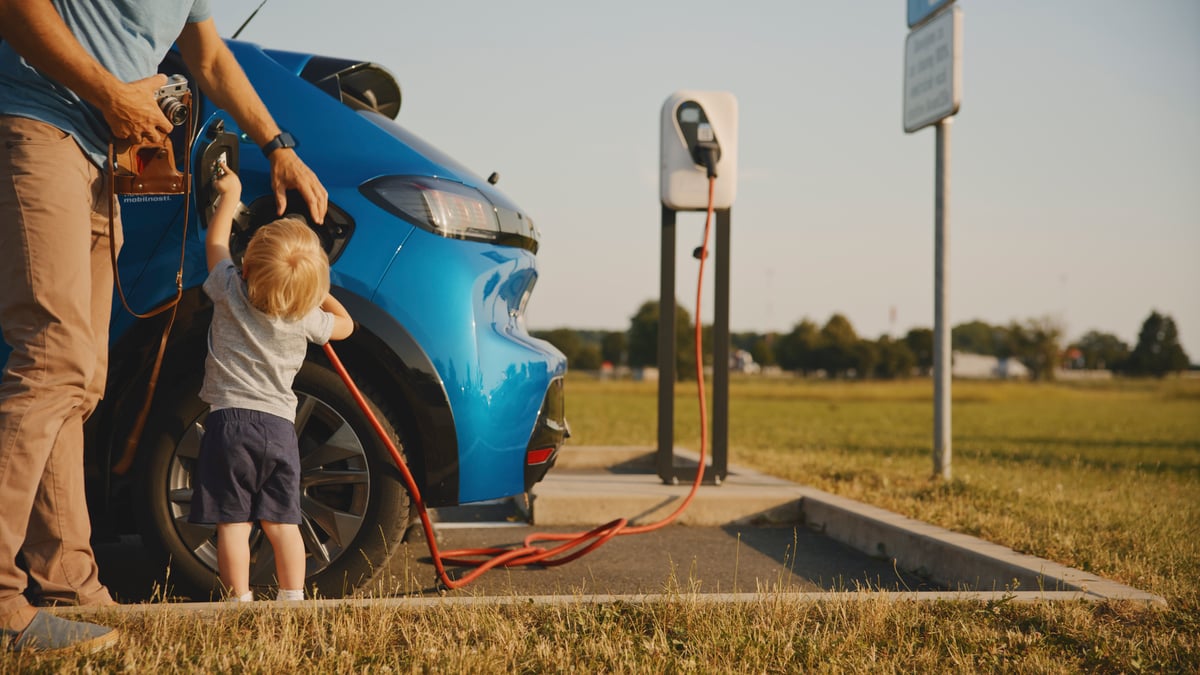
- Background of Rising Gas Prices: As of March 13, the average price of regular gasoline reached $3.63 per gallon, a 23.5% increase from the previous month, prompting consumer interest in electric vehicles (EVs), although rising gas prices do not directly lead to a surge in EV sales.
- Current EV Market Status: In Q2 2022, EVs accounted for 5.6% of new vehicle sales in the U.S., a significant increase from 2.7% in Q2 2021, indicating that consumer interest in EVs has risen amid high gas prices.
- Charging Infrastructure Challenges: While urban areas are increasingly equipped with robust charging networks, rural and smaller cities still face significant challenges, meaning that factors beyond gas prices influence consumer purchasing decisions.
- Advantages of Chinese Manufacturers: Chinese EV manufacturers like BYD and Nio have rapidly expanded due to government support and domestic demand, and with integrated supply chains and lower production costs, they are expected to benefit from global EV demand growth, especially if oil prices remain high.
Rising Negative Equity Among New Car Buyers
- Rising Negative Equity: According to J.D. Power, 30.5% of new car buyers are facing negative equity on trade-ins, up 4.2 percentage points from last year, indicating increasing market pressures that affect consumer purchasing decisions.
- Record High Debt Levels: As of Q4 2025, the average amount owed on underwater trade-ins reached $7,214, a record high, with 27% of these trade-ins carrying over $10,000 in negative equity, reflecting a deterioration in consumer financial health.
- Increased Payment Burden: The average monthly payment for buyers rolling negative equity into new loans hit $916, which is $144 higher than the average payment for all new car purchases, indicating greater financial strain on consumers when buying vehicles.
- Extended Loan Terms Trend: Among new car purchases involving negative equity, 40.7% are financed with 84-month loans, suggesting that consumers are extending loan terms to cope with high vehicle prices, thereby increasing future negative equity risks.
CarMax to Report Q4 Financial Results on April 14
- Earnings Release Schedule: CarMax will report its financial results for the fourth quarter ended February 28, 2026, before the market opens on April 14, 2026, and will host a conference call at 9:00 a.m. ET, ensuring transparent communication of its performance to investors.
- Executive Participation: The call will feature Interim Executive Chair Tom Folliard, President and CEO Keith Barr, CFO Enrique Mayor-Mora, and EVP of CarMax Auto Finance Jon Daniels, highlighting the company's commitment to engaging with its investors.
- Financial Performance Overview: In the fiscal year ending February 2025, CarMax sold approximately 790,000 used vehicles and 540,000 wholesale vehicles, indicating strong market performance, while CarMax Auto Finance originated over $8 billion in auto loans, enhancing its nearly $18 billion loan portfolio.
- Company Background Information: As the largest retailer of used cars in the U.S., CarMax operates over 250 locations with more than 28,000 associates and has been recognized for 21 consecutive years as one of the Fortune 100 Best Companies to Work For, reflecting its leadership in the industry and commitment to employee satisfaction.
CarMax's New CEO Emphasizes Customer-Centric Leadership
- Leadership Style Introduction: CarMax's new CEO Keith Barr emphasized a customer- and associate-centric leadership approach in his letter to shareholders, drawing on his successful experience in major hotel brands to enhance the company's competitiveness in the used car market.
- Brand and Market Advantages: Barr praised CarMax's trusted brand and its national footprint reaching 85% of the U.S. population, arguing that these strengths create a powerful platform for growth in the large, fragmented used car market.
- Technology-Driven Transformation: Barr plans to leverage technology to reduce digital friction and provide a simple, seamless, personalized omnichannel experience, thereby enhancing customer satisfaction and improving associate effectiveness to drive the company towards a more efficient operational model.
- Governance and Strategic Adjustments: In response to activist investor Starboard Value, Barr committed to implementing disciplined measures to refocus the organization, improve governance, and enhance CarMax's long-term potential to address recent performance challenges.
KSF Launches Investigation into CarMax Amid Financial Declines
- Financial Performance Decline: CarMax reported a 5.4% decrease in retail unit sales and a 6.3% drop in comparable store sales for Q2 2025, indicating significant market pressure that could adversely affect future profitability.
- Net Income Plummets: The company's net income for Q2 was approximately $95.4 million, down 28.2% from $132.8 million a year ago, reflecting a sharp decline in profitability that may erode investor confidence.
- Executive Turnover Impact: The unexpected departure of CarMax's CEO on November 6, 2025, along with a weak preliminary Q3 outlook, could exacerbate market concerns regarding the company's future performance.
- Legal Action Risks: CarMax and its executives are facing a securities class action lawsuit for failing to disclose material information during the class period, and KSF's investigation will assess whether executives breached fiduciary duties to shareholders, potentially leading to greater legal and financial risks for the company.
Analyst Claims Oracle Demonstrates Greater Resilience Despite AI Challenges; Also Featuring CarMax, Rivian, and Other Stocks.
Report Overview: Recent reports from investment and research firms provide insights into analysts' perspectives on various companies.
Disclaimer: The views expressed in these reports do not reflect the opinions or recommendations of Barron’s.
Investment Services: Some report issuers may have existing or potential investment-banking relationships with the companies analyzed.
Purpose of Reports: The reports serve as a sampling of market analysis rather than definitive investment advice.
Impact of Rising Gas Prices on EV Adoption
- Background of Rising Gas Prices: As of March 13, the average price of regular gasoline reached $3.63 per gallon, a 23.5% increase from the previous month, prompting consumer interest in electric vehicles (EVs), although rising gas prices do not directly lead to a surge in EV sales.
- Current EV Market Status: In Q2 2022, EVs accounted for 5.6% of new vehicle sales in the U.S., a significant increase from 2.7% in Q2 2021, indicating that consumer interest in EVs has risen amid high gas prices.
- Charging Infrastructure Challenges: While urban areas are increasingly equipped with robust charging networks, rural and smaller cities still face significant challenges, meaning that factors beyond gas prices influence consumer purchasing decisions.
- Advantages of Chinese Manufacturers: Chinese EV manufacturers like BYD and Nio have rapidly expanded due to government support and domestic demand, and with integrated supply chains and lower production costs, they are expected to benefit from global EV demand growth, especially if oil prices remain high.