

Big Tech’s Sports Deals Threaten Local TV Access
Big Tech's Growing Influence in Sports Broadcasting
Big Tech companies are increasingly securing broadcast rights to major sporting events, marking a significant shift in the media landscape. Companies like Amazon, Google, and Apple have leveraged their vast resources to outbid traditional broadcasters for high-value live sports content. For instance, Amazon's Prime Video has secured exclusive rights to NFL Thursday Night Football, while Apple has partnered with Major League Soccer for a 10-year streaming deal.
This trend aligns with Big Tech's broader strategy to use live sports as a tool to drive user engagement and support other business ventures. By offering exclusive sports content, these companies aim to attract more subscribers to their platforms, thereby enhancing their revenue from subscription fees and personal data monetization. Unlike traditional broadcasters, Big Tech firms can afford to operate these sports rights as loss leaders, using them to strengthen their vertically integrated ecosystems that span hardware, software, and e-commerce.
Impact on Local TV and Free-to-Air Viewers
The growing dominance of Big Tech in sports broadcasting has raised concerns about reduced access to live sports for free-to-air TV viewers. Historically, major sporting events such as the World Series, the Super Bowl, and the Olympics were accessible to a broad audience through traditional broadcast networks. However, as these rights increasingly shift to subscription-based streaming platforms, many viewers may face barriers to accessing these events without additional costs.
Local TV stations, which rely on high-value live sports programming to attract viewership and advertising revenue, are particularly vulnerable. The potential loss of these rights could lead to a decline in local TV journalism, as reduced advertising revenue may force stations to cut back on newsroom budgets. Industry experts warn that the erosion of free-to-air sports broadcasting could weaken the role of local media in providing essential news and community coverage.
Regulatory Concerns and Industry Reactions
The Federal Communications Commission (FCC) has been urged to address this issue, with broadcasters calling for measures to ensure continued free access to live sports. Companies like Fox Corp and Sinclair Broadcast Group have highlighted the risks posed by Big Tech's dominance, arguing that it could undermine the public's access to culturally significant events.
A key point of contention is the applicability of the 1961 Sports Broadcasting Act, which allows major leagues to pool and sell broadcasting rights collectively. Critics argue that this law, designed for traditional television, does not adequately address the challenges posed by paywalled streaming platforms. Industry stakeholders are questioning whether the law should be updated to reflect the modern media environment, where global streaming giants can outspend traditional broadcasters.
The FCC has noted that many sports events previously available on free broadcast TV are now locked behind standalone subscription services, a shift that has frustrated fans and sparked calls for regulatory intervention. The outcome of these discussions could significantly shape the future of sports broadcasting in the U.S.
 Sources

About the author



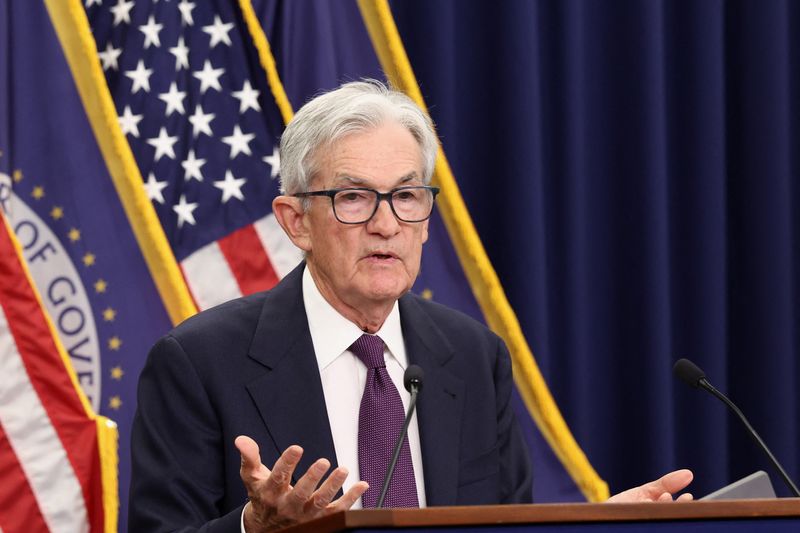

- Big Tech sports broadcast rights imperil local TV news, stations
 yahoo
yahoo - Big Tech sports broadcast rights imperil local TV news, stations argueyahoo
- Big Tech sports broadcast rights imperil local TV news, stationsyahoo