

Jerome Powell to Remain as Fed Governor
Powell's Announcement and Rationale
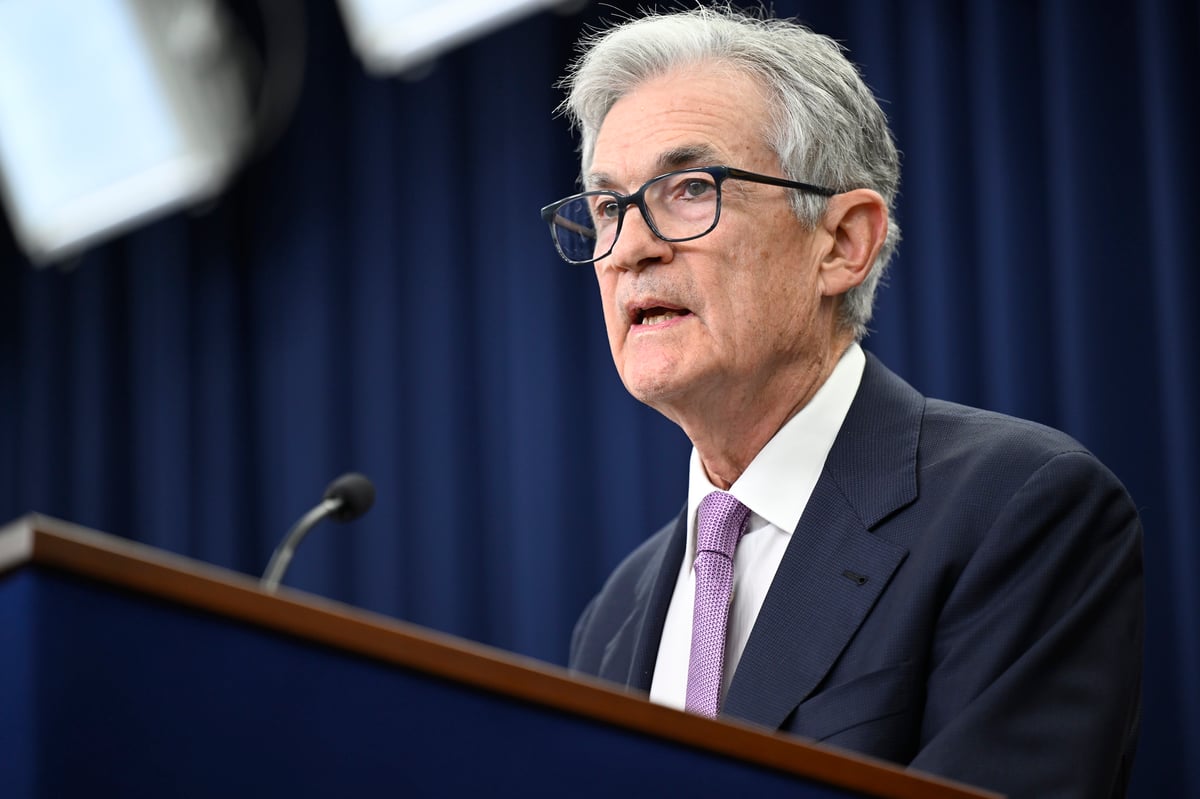
Federal Reserve Chair Jerome Powell announced his decision to remain on the Federal Reserve Board as a governor after his term as chair ends. This decision, described as unprecedented in recent history, comes amidst what Powell referred to as "a series of legal attacks" that he believes threaten the central bank's independence. He emphasized his concern that these legal pressures are "battering the institution" and could hinder its ability to conduct monetary policy free from political influence. Powell stated he would continue serving for an undetermined period, leaving when he feels it is appropriate. His decision underscores his commitment to safeguarding the Federal Reserve's autonomy in the face of these challenges.
Historical Context and Precedent
Powell's decision to remain as a governor breaks with recent tradition, as previous Federal Reserve chairs, such as Janet Yellen, Ben Bernanke, and Paul Volcker, resigned entirely from the Fed upon the conclusion of their chair terms. Alan Greenspan, for instance, also exited the Board when his chairmanship ended in 2006. However, there are precedents for Powell's move, albeit rare. Arthur Burns remained on the Board for several months after his chair term ended in the 1970s, while Marriner Eccles continued as a governor for years following the conclusion of his chairmanship in 1948. These instances highlight that while uncommon, Powell’s decision is not without historical precedent, particularly during periods of significant institutional challenges.
Impact on Federal Reserve Leadership
Kevin Warsh, a former Fed governor, has emerged as the most likely successor to Powell as chair, with his confirmation advancing through the Senate Banking Committee. If confirmed, Warsh would take on Powell’s current leadership role, while Powell’s continued presence as a governor would still afford him voting power on monetary policy decisions through 2028. This dynamic could influence monetary policy direction, especially during a period of heightened economic and political uncertainty. Powell’s decision to stay could also create friction with the administration, which has sought to replace him, potentially complicating the Fed’s efforts to maintain policy stability and independence under new leadership.
 Sources


About the author





- Fed's Powell says stay governor chair term ends
 yahoo
yahoo - Jerome Powell says he's staying Fed governoryahoo
- Jerome Powell announces plans remain Federal Reserve board, citing 'series legal attacks' central bayahoo
- Stock Market Investors Just Got Bad News From Fed Chair Nominee Kevin Warsh
 fool
fool