

Trending News
Stay ahead with Intellectia's Trending News, delivering the latest financial market updates and insights.

Stocks Rise Amid AI Optimism and Middle East Uncertainty
The stock market saw modest gains on Tuesday, driven by AI advancements and tempered by Middle East tensions. The Dow rose 0.3%, while the S&P 500 and Nasdaq showed slight increases. Alphabet's $80 billion AI infrastructure plan and Hewlett Packard Enterprise's record quarter highlighted AI-driven growth. Meanwhile, oil prices eased as US-Iran talks progressed, and April job openings surged to 7.6 million, signaling a robust labor market.
03 Jun 26

Stocks Hit Record Highs Amid AI Optimism
Global stocks reached record highs as optimism around artificial intelligence (AI) and strong corporate earnings outweighed concerns over U.S.-Iran tensions. Nvidia's unveiling of a new AI chip and Anthropic's confidential IPO filing bolstered tech stocks, while oil prices surged amid escalating geopolitical conflicts. Investors are now focused on upcoming U.S. economic data and Federal Reserve commentary for further market direction.
02 Jun 26

Anthropic Prepares for IPO Amid AI Market Boom
Anthropic has confidentially filed paperwork with the SEC for its initial public offering, aiming to capitalize on the growing AI market. The company, valued at $965 billion after a recent funding round, is positioning itself ahead of rival OpenAI. Known for its AI chatbot Claude, Anthropic has seen significant revenue growth and continues to expand its product offerings. This move sets the stage for one of the most anticipated IPOs in the AI sector alongside SpaceX and OpenAI.
02 Jun 26

AI Boom Drives Asia Stocks Amid Gulf Risks
Asian stock markets gained strength due to increased demand for AI-related technology, overshadowing concerns over escalating Gulf tensions and elevated oil prices. Key markets like Japan, South Korea, and Taiwan saw significant gains, fueled by semiconductor demand and strong export data. Meanwhile, Gulf conflicts and U.S.-Iran tensions kept oil prices high, with potential Federal Reserve rate hikes adding to market uncertainties.
01 Jun 26

Oil Prices Plunge Amid US-Iran Ceasefire Talks
Oil prices have dropped significantly, with Brent crude experiencing its steepest monthly decline since 2020. The potential extension of a 60-day ceasefire between the U.S. and Iran has fueled speculation about the resumption of oil flows through the Strait of Hormuz. However, logistical and geopolitical hurdles remain, including damaged infrastructure and sanctions, delaying the recovery of oil supply.
29 May 26

Gulf Tensions Escalate Amid Hormuz Strikes
Renewed military actions in the Persian Gulf, including U.S. airstrikes and Iranian retaliations, have heightened tensions around the Strait of Hormuz, a critical global oil route. Talks of reopening the waterway remain fraught with challenges, including disagreements over sanctions and control. Oil prices have surged as the fragile ceasefire faces threats, impacting global markets. Both sides continue negotiations, but key sticking points like Iran’s nuclear program and maritime control remain unresolved.
28 May 26
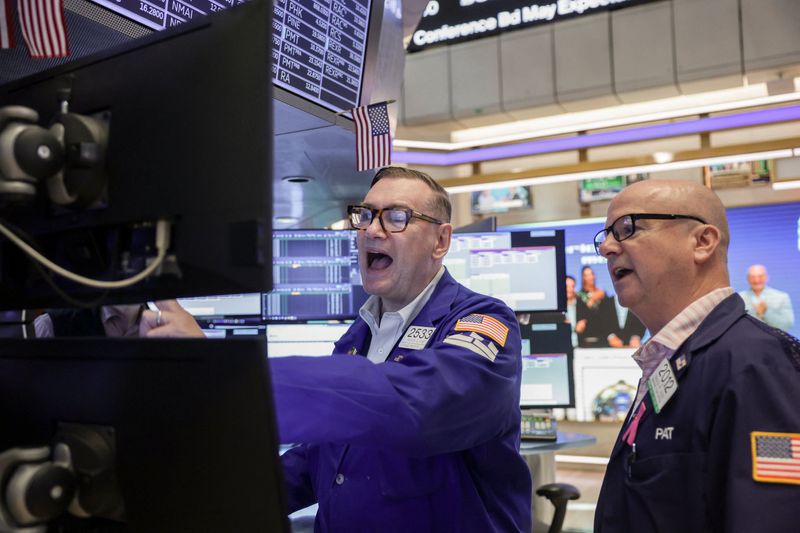
Dow Hits Highs as Oil Prices Drop
The Dow Jones Industrial Average closed at a record high, while the S&P 500 and Nasdaq also posted gains amid fluctuating market dynamics. Oil prices dropped as reports of a potential US-Iran peace deal emerged, though the White House dismissed them as false. Meanwhile, the tech sector paused its rally, with Micron achieving a $1 trillion market cap, reflecting continued enthusiasm for AI investments.
28 May 26
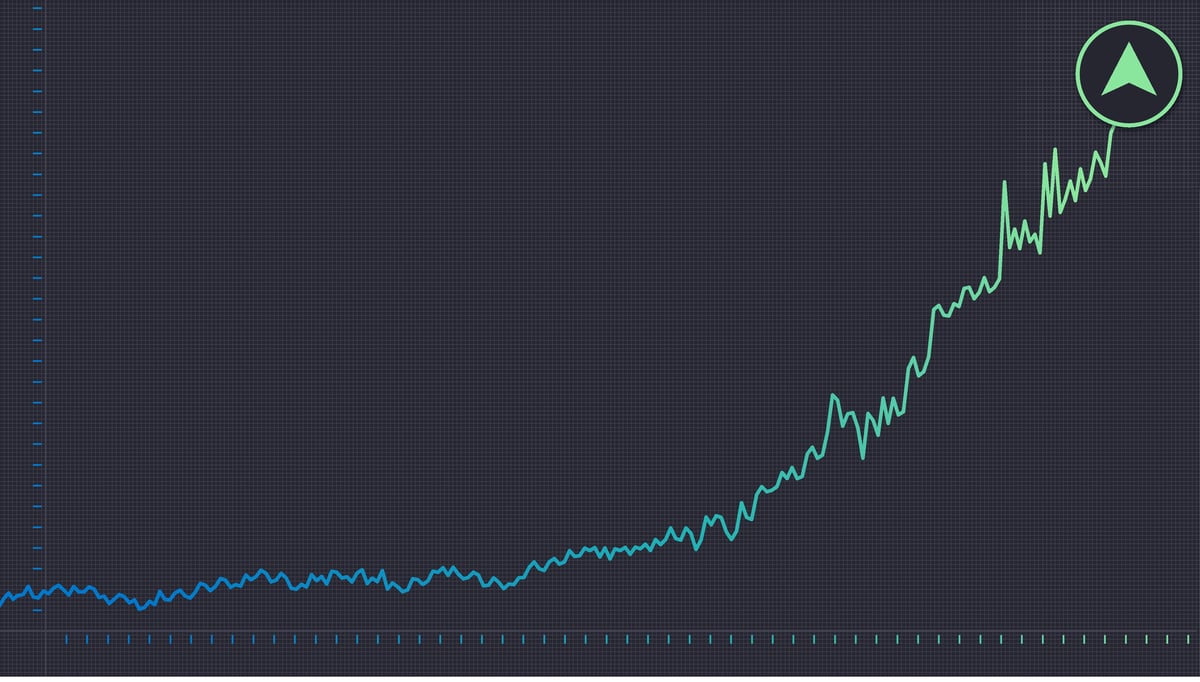
Micron's AI Surge: $1 Trillion Milestone Reached
Micron Technology recently hit a $1 trillion valuation, driven by surging demand for AI memory chips like DRAM and NAND. Analysts project continued growth due to AI's structural shift in memory dynamics, with strategic multi-year contracts boosting stability. However, concerns about cyclical market risks and capital expenditures for new capacity remain, urging investors to tread carefully despite the AI boom.
27 May 26

Oil Prices Dip Amid US-Iran Negotiation Hopes
Oil prices fell as traders evaluated the progress of US-Iran negotiations to end hostilities and reopen the critical Strait of Hormuz. Brent crude dropped to $98 per barrel, while WTI crude slid to $92. Despite rising tensions and recent military strikes, news of non-Iranian tankers passing through the strait has fueled optimism. However, challenges like frozen Iranian assets and political complexities suggest that a full resolution may take time.
27 May 26
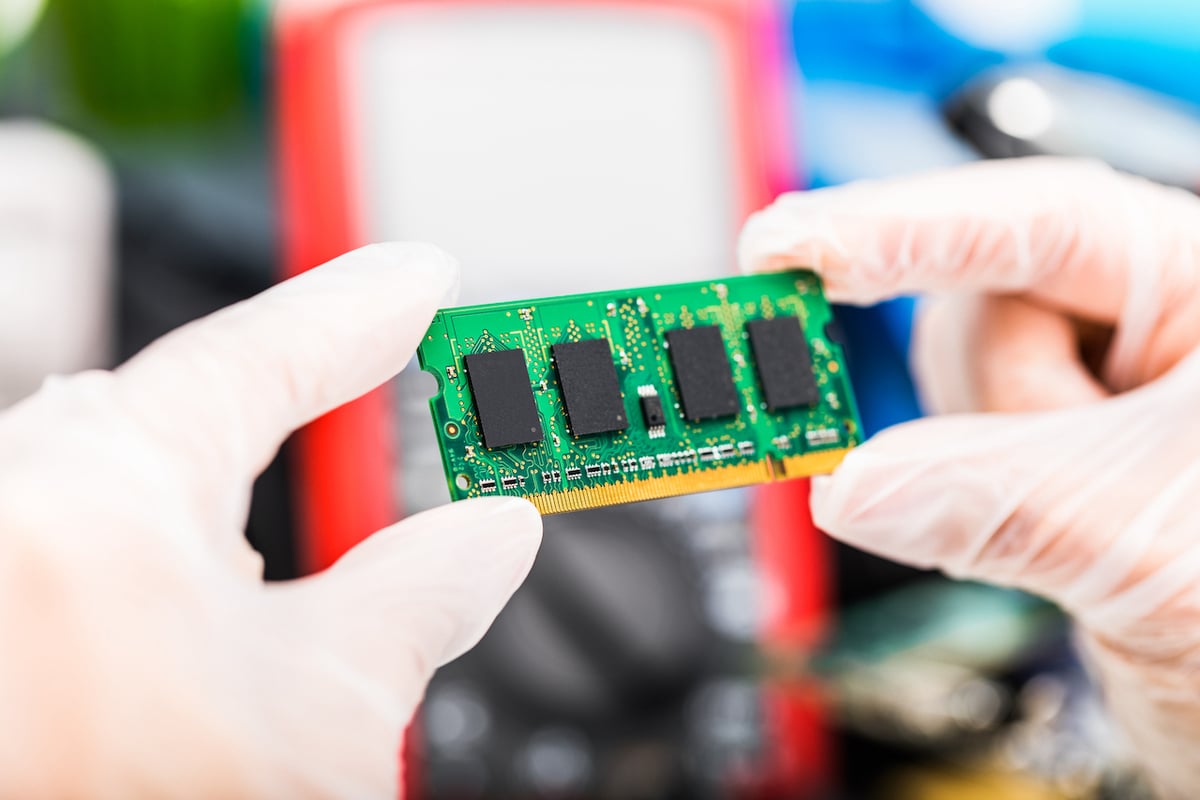
Micron Hits $1 Trillion Market Cap Amid AI Boom
Micron Technology (MU) reached a $1 trillion market cap after UBS raised its price target to $1,625, citing AI's transformative impact on the memory chip market. This milestone positions Micron as the 11th-largest public company globally. UBS argues that AI has shifted Micron from a cyclical stock to one with sustained demand and smoother earnings. The company has seen significant gains in revenue and market value, outpacing its peers and benefiting from AI-driven memory demand.
27 May 26
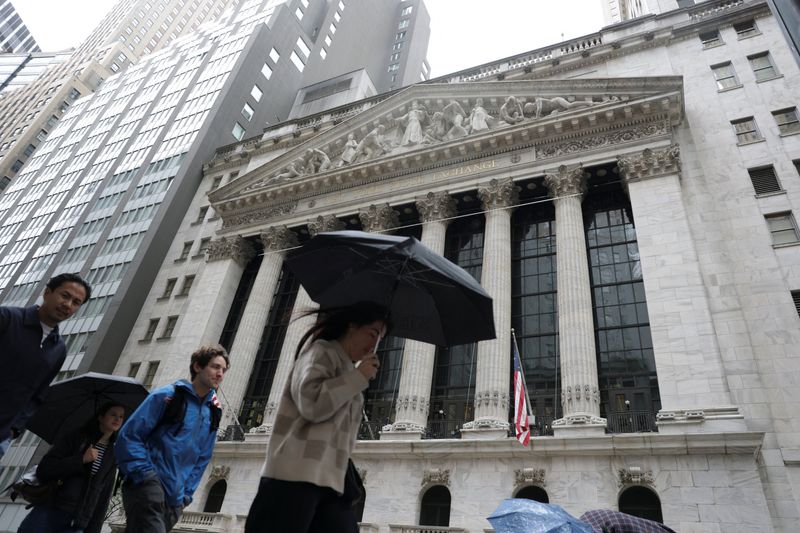
Wall Street Rises on AI Optimism and Iran Talks
US stock futures climbed as optimism around AI-driven tech stocks offset concerns about Middle East tensions. Investors remained hopeful about progress in US-Iran peace talks despite recent escalations. The Dow, S&P 500, and Nasdaq hit record highs, fueled by robust earnings and AI demand. Oil prices fluctuated amid geopolitical developments, while the Federal Reserve is expected to maintain interest rates for now.
26 May 26

Stocks Surge Amid Middle East Peace Deal Hopes
Global stocks rallied on optimism surrounding a potential peace deal between the U.S. and Iran to end the Strait of Hormuz blockade. Oil prices fell to two-week lows, with Brent crude dropping 5% as markets anticipated eased supply chain disruptions. The U.S. dollar weakened against major currencies, while safe-haven assets showed minimal movement. Analysts remain cautious, emphasizing the lack of clarity on the timeline and specifics of the agreement. Interest rate expectations shifted, with markets pricing in potential rate adjustments as energy prices influenced inflation and economic outlooks.
25 May 26
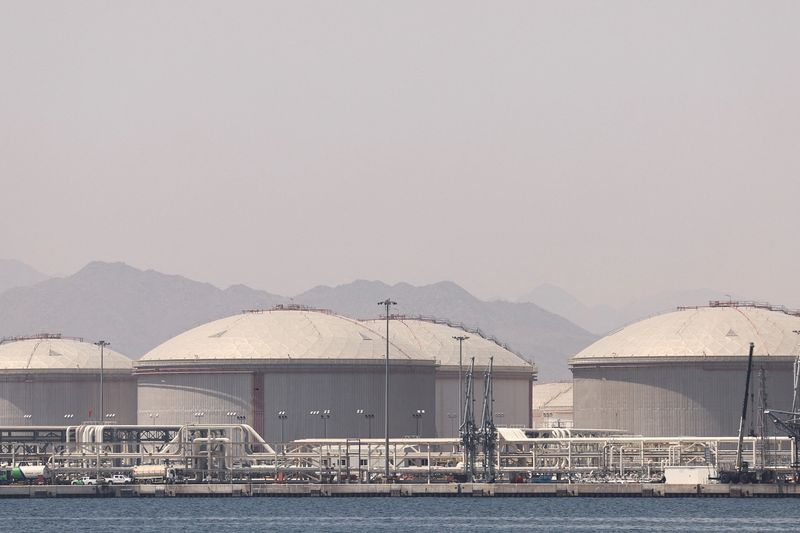
Oil Prices Slide Amid Iran Deal Uncertainty
Oil prices experienced sharp volatility due to conflicting signals about Iran-U.S. negotiations. Brent crude fell 2.7% to $102.22 per barrel, while WTI dropped 2.5% to $95.81. Reports of Iran hardening its stance on key U.S. demands and potential maritime tolling in the Strait of Hormuz added to market tensions. Meanwhile, economic challenges in Europe and upcoming OPEC+ decisions further influenced energy markets.
22 May 26

Iran Talks Narrow Gaps on Uranium, Hormuz Tolls
Progress in US-Iran talks has narrowed gaps regarding uranium stockpiles and a potential toll system for the Strait of Hormuz, though key issues remain unresolved. Iran's Supreme Leader opposes sending enriched uranium abroad, while President Trump rejects toll charges in the critical waterway. Oil prices have fluctuated amid hopes of a breakthrough, with global crude stockpiles rapidly depleting. The proposed short-term deal could reopen Hormuz and lift port blockades, but tensions persist over broader nuclear program negotiations.
22 May 26
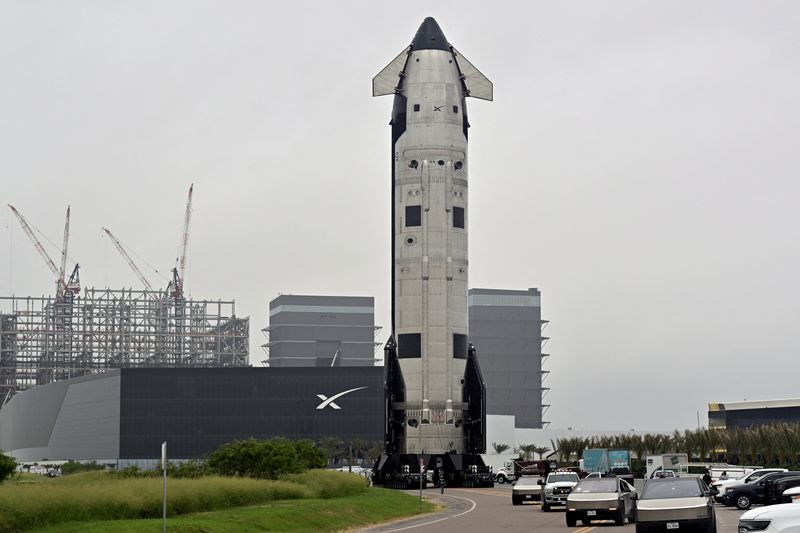
SpaceX IPO: Aiming for Historic Market Debut
SpaceX, led by Elon Musk, has filed for its highly anticipated IPO, projected to be the largest in U.S. history. The company plans to list shares on Nasdaq, with a potential valuation of $1.75 trillion. SpaceX’s business encompasses revolutionary AI initiatives, Starlink internet services, and reusable rocket technology. Despite financial challenges, the IPO reflects Musk’s ambitious vision for interplanetary ventures and AI-driven innovations, solidifying SpaceX as a generational investment opportunity.
21 May 26

Nvidia Earnings Fuel AI Growth Optimism
Nvidia's recent earnings report exceeded Wall Street expectations, showcasing robust revenue growth driven by AI chip demand. The company reported $81.6 billion in revenue for the quarter, surpassing the anticipated $79.2 billion. Nvidia also provided a strong revenue forecast for the next quarter, signaling sustained growth in AI infrastructure spending. Investors remain optimistic despite concerns about market saturation, as Nvidia continues to dominate the AI semiconductor space and attract significant capital from major tech players.
21 May 26
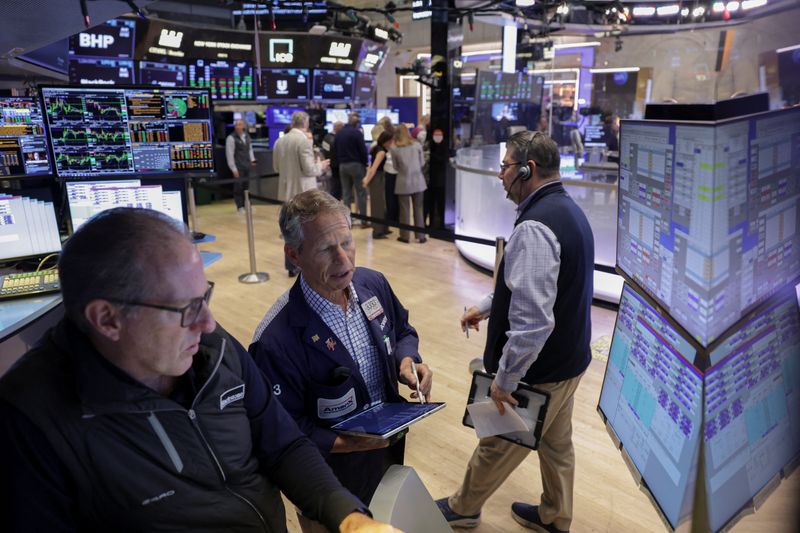
Nvidia Earnings Drive AI Demand Focus
Stock futures climbed as Wall Street awaited Nvidia's earnings, seen as a key indicator of AI demand amidst inflation concerns. Nvidia's results are expected to influence broader market trends, with a 5.5% share price movement anticipated. Meanwhile, bond yields remain elevated, oil prices retreat, and investors monitor Federal Reserve rate hike signals and geopolitical tensions.
20 May 26

Samsung Faces Strike Amid Bonus Dispute
Samsung Electronics is bracing for a significant 18-day strike as union negotiations over bonus payouts collapse. With nearly 48,000 workers set to walk off the job, the strike could disrupt global semiconductor supply chains and South Korea’s export-driven economy. The union demands higher bonuses and the removal of a cap, while Samsung cites excessive demands as a barrier to agreement. The South Korean government may intervene with emergency arbitration to mitigate economic impacts.
20 May 26

Google's AI Agents Revolutionize Search Experience
Google unveils a transformative update to its Search, integrating advanced AI capabilities powered by the Gemini 3.5 model. The update introduces agentic AI features, allowing users to perform tasks like setting alerts, finding tailored results, and managing personal schedules. With tools like Gemini Spark and Omni, Google enhances productivity through proactive assistance, high-quality content generation, and seamless integration with apps. This marks the biggest Search upgrade in 25 years, showcasing Google's dominance in AI-driven innovation amid growing competition.
20 May 26

Google, Blackstone Launch $5B AI Cloud Venture
Google and Blackstone are collaborating to launch a $5 billion artificial intelligence (AI) cloud company, leveraging Google's Tensor Processing Units (TPUs) and software. Blackstone will hold a majority stake, while the venture aims to provide advanced AI-driven computing services. This partnership reflects growing investments in AI infrastructure, with major tech firms expected to spend over $700 billion this year. The venture will also compete in the burgeoning AI chip market alongside players like Nvidia and Amazon.
19 May 26