

China Sets Lowest Growth Target in Decades
China’s New Growth Target and Economic Challenges
China has announced its lowest economic growth target since the early 1990s, setting a range of 4.5%-5% for the coming years. This marks a significant shift from the "around 5%" targets of recent years, reflecting mounting domestic and global challenges. Weak domestic demand, compounded by a prolonged property market crisis and deflationary pressures, has forced policymakers to adopt a more cautious approach.
The property sector, a cornerstone of China’s economic expansion for decades, continues to struggle, with declining investments and reduced consumer confidence. Additionally, sluggish consumer spending and a lack of robust private sector recovery have further dampened economic prospects. Analysts interpret this target as a pragmatic acknowledgment of China's structural issues, signaling a pivot from high-speed growth to a focus on sustainability and resilience.
Strategic Focus on High-Quality Growth
China has shifted its economic strategy to prioritize high-quality growth over sheer expansion. This involves an ambitious emphasis on innovation, high-tech industries, and green energy initiatives to drive sustainable development. Beijing aims to reduce dependency on exports by bolstering domestic consumption, supported by a 250 billion yuan ($36.2 billion) subsidy program to stimulate household spending.
Infrastructure investments remain a cornerstone of China’s strategy, with plans to develop over 100 major projects in technology, transportation, and renewable energy. The government has also pledged to build a "childbirth-friendly society" to address demographic challenges, including an aging population and declining birth rates. These measures underscore a broader effort to recalibrate the economy toward a more balanced and innovation-driven model.
Global and Geopolitical Implications
China’s lowered growth target and strategic pivot come amid heightened global uncertainties and geopolitical tensions. U.S.-China relations remain fraught, with trade disputes, technological competition, and Taiwan's status at the forefront. President Donald Trump’s upcoming visit to Beijing is expected to bring these issues to the negotiating table, with potential implications for both economic and diplomatic landscapes.
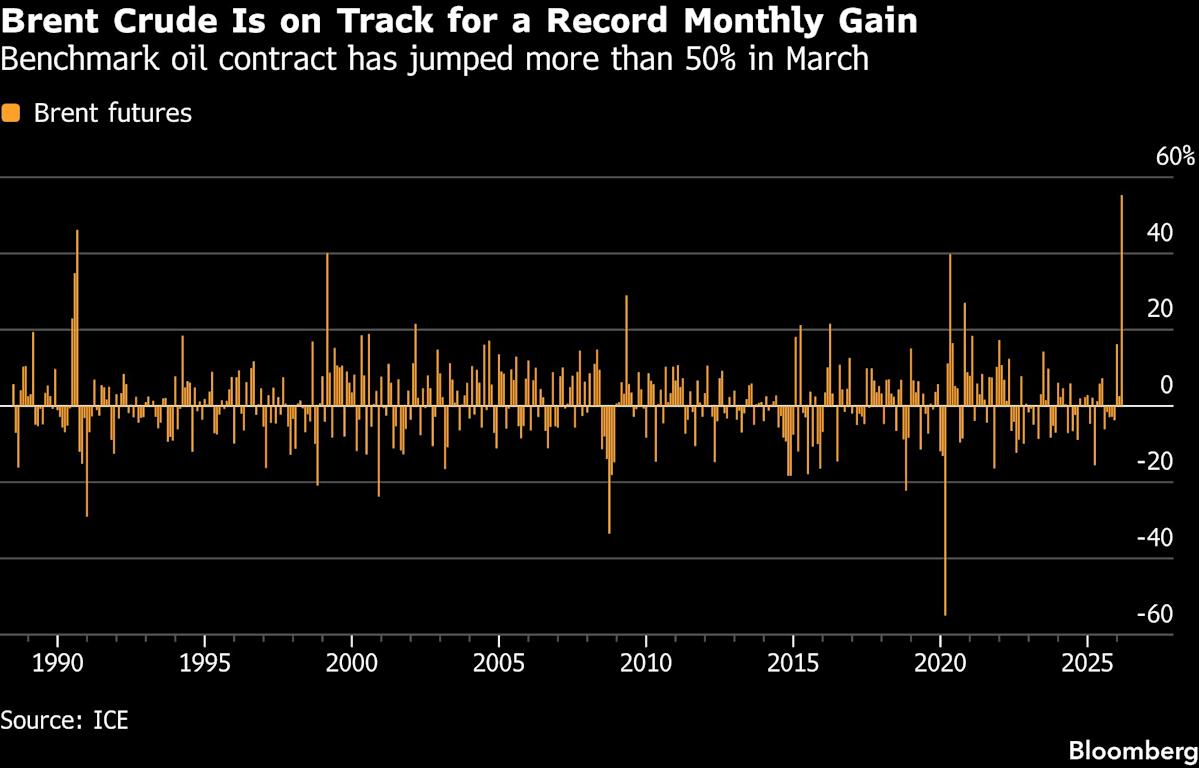
China’s focus on technological self-reliance, particularly in critical sectors such as semiconductors and rare earths, reflects its efforts to counter U.S.-led restrictions. Additionally, ongoing conflicts in the Middle East and energy market disruptions have added complexity to Beijing's economic planning. Despite these challenges, China’s leadership appears intent on showcasing resilience and stability as it navigates an increasingly volatile global environment.
 Sources



About the author







- China sets lowest economic growth target decades ahead Trump summit
 yahoo
yahoo - China sets lowest economic growth target 1991
 bbc
bbc - China's parliament rolls economic, political blue-print; here's need knowyahoo