

Iran Strikes Kuwaiti Oil Tanker at Dubai Port
Iran's Attack on Kuwaiti Oil Tanker
The Al-Salmi, a fully-laden Kuwaiti crude carrier, was struck by Iran near the anchorage area of Dubai's port, causing significant damage to its hull and igniting a fire onboard. The incident occurred at midnight local time, as reported by the state-run Kuwait Petroleum Corporation (KPC). All 24 crew members aboard the tanker were confirmed safe, according to subsequent updates from the Dubai Media Office. Emergency response teams are actively working to contain the fire and prevent further escalation.
The attack also resulted in an oil spill in the surrounding waters, raising environmental and navigational concerns. Maritime authorities have mobilized resources to mitigate the impact of the spill. This assault underscores the vulnerability of key energy shipping routes in the Persian Gulf amidst rising geopolitical tensions.
Geopolitical Escalation and Market Impact
The attack on the Al-Salmi highlights the intensifying Middle East conflict, which has now entered its fifth week. The conflict has disrupted energy shipping routes, including the critical Persian Gulf region, and raised concerns over the security of oil and natural gas supplies. Iran's targeting of vessels in these waters has elevated risks for global energy markets.
Following the incident, West Texas Intermediate (WTI) crude futures jumped 4%, reaching $107 per barrel, while Brent crude hovered near $115. These price surges reflect growing supply concerns and inflationary pressures on the global economy. Analysts warn that prolonged disruptions could push oil prices even higher, exacerbating inflation crises and slowing economic growth. The energy market remains volatile, with potential for further spikes depending on the conflict's trajectory.
Strait of Hormuz and Global Tensions
The Strait of Hormuz, a strategic chokepoint for global oil and gas shipments, remains a focal point in the escalating conflict. The waterway handles approximately 20% of global oil trade, making its closure or disruption a critical issue for global energy security.
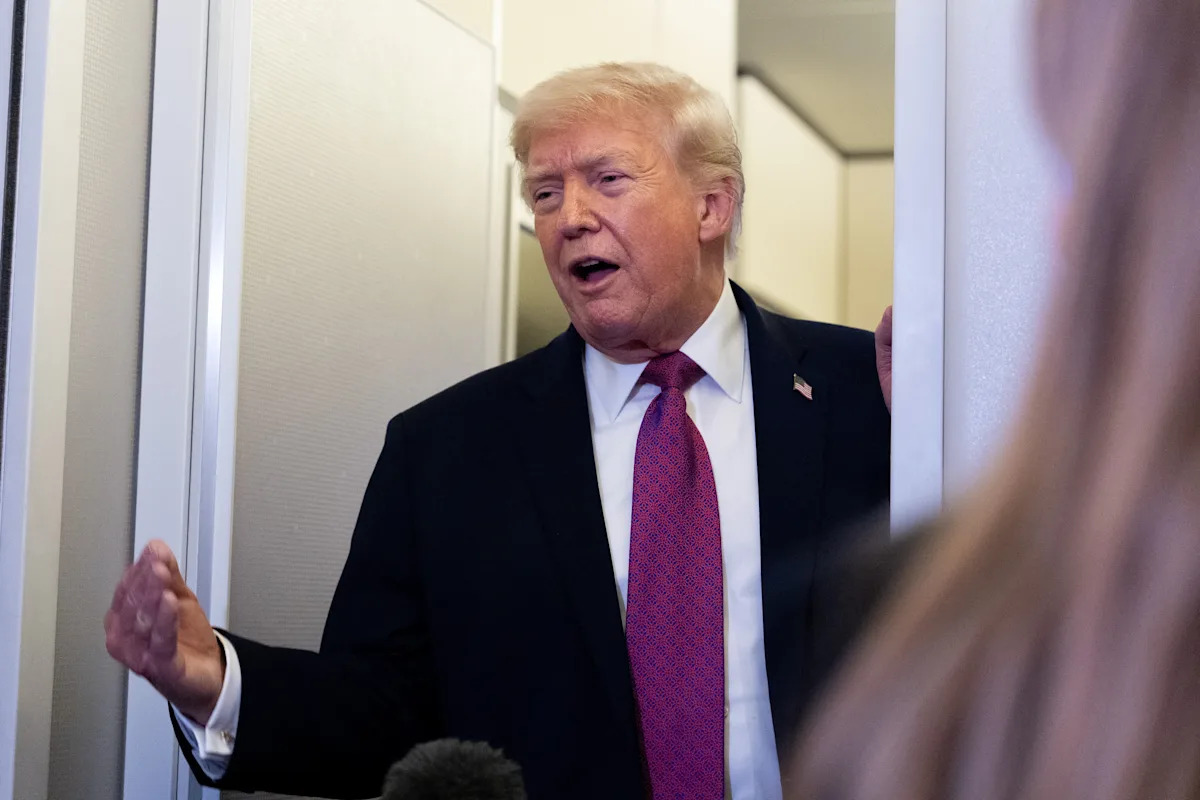
President Donald Trump has issued threats to Iran’s civilian infrastructure, including power plants and oil facilities, as leverage to reopen the strait. Military presence in the region has been heightened, with U.S. troops deployed to ensure the security of this vital shipping lane. However, the prolonged closure of the Strait of Hormuz has already had significant repercussions on energy markets, raising concerns about inflation and economic stability worldwide. The situation remains fluid, with potential for further geopolitical and economic ramifications.
 Sources


About the author




- Iran Strikes Fully Laden Kuwait Oil Tanker Dubai Port
 yahoo
yahoo - Oil Extends Advance Iran Attacks Crude Tanker Dubai Portyahoo
- Oil Turns Lower Report End War Hormuz Openingyahoo
- Oil Swings Report War End Tanker Attack Jolt Marketyahoo