

Strait of Hormuz Blockade Fuels Global Tensions
Strait of Hormuz Blockade and Vessel Seizure
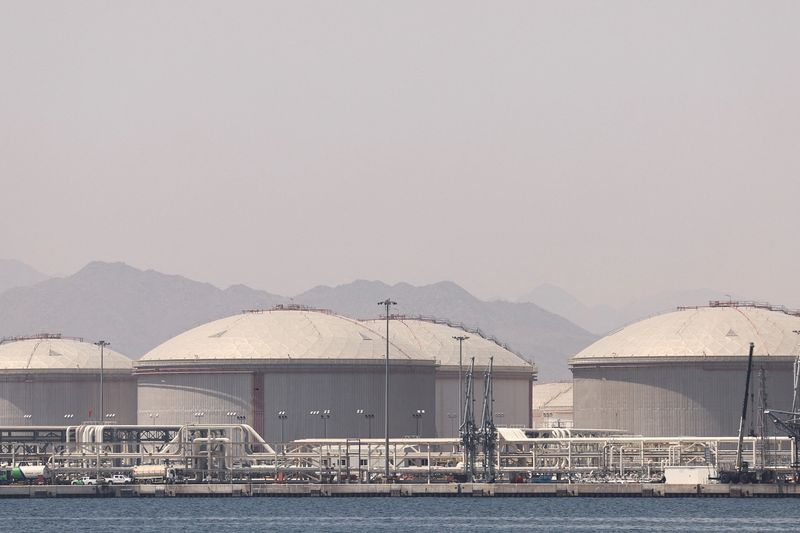
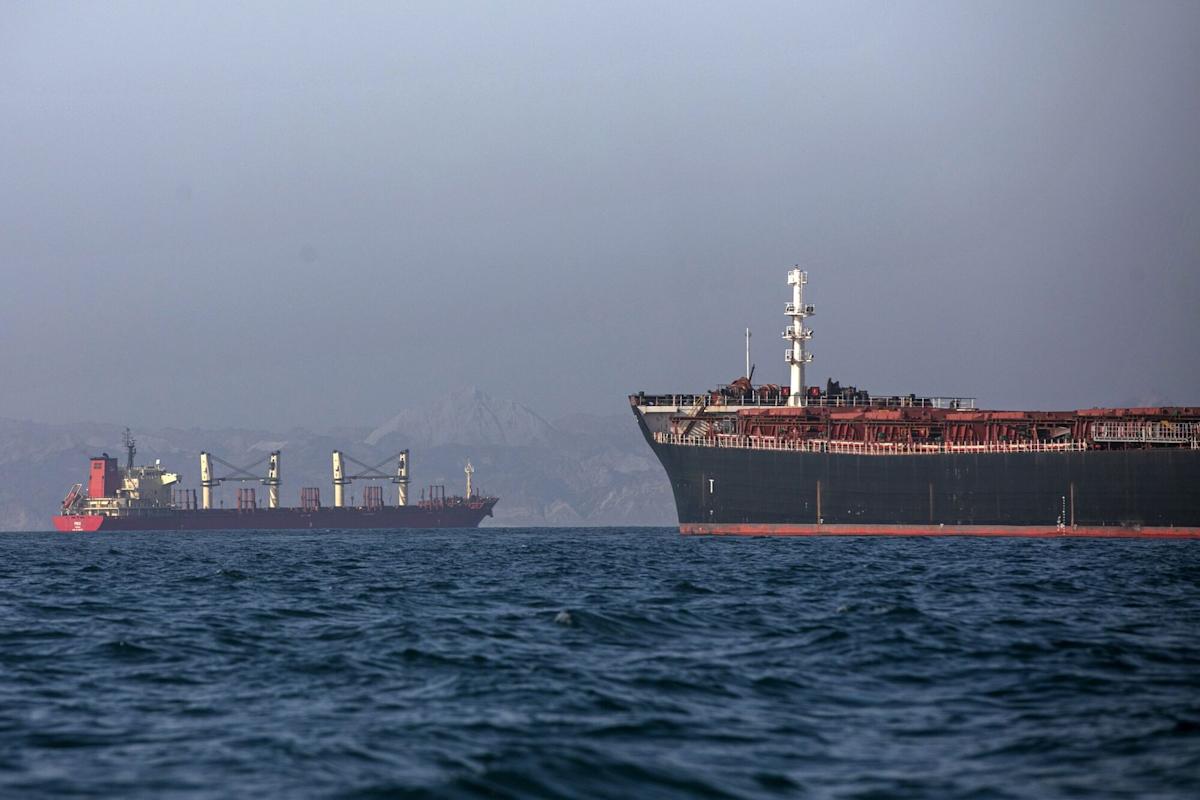
The U.S. Navy's seizure of an Iranian vessel in the Strait of Hormuz over the weekend has intensified geopolitical tensions and halted commercial traffic through the critical waterway. The incident occurred amid an already volatile environment following Iran's reimposition of controls on the strait in retaliation for recent Israeli military actions in Lebanon. The Strait of Hormuz, a vital corridor through which nearly a fifth of the world's oil passes, has become a flashpoint as the U.S.-Iran conflict escalates.
Iranian authorities initially announced the reopening of the strait, leading to a brief resumption of vessel activity. However, the subsequent seizure of the Iranian vessel by the U.S. Navy has raised security concerns, with shipowners adopting a "wait-and-see" approach to avoid risks. The blockade has caused significant disruption, with no ship crossings observed on Monday and tankers abandoning their attempts to leave the Persian Gulf. The prolonged standstill threatens to exacerbate global supply chain vulnerabilities and deepen the energy crisis.
Impact on Energy Markets and Global Economy
Global energy markets have reacted sharply to the developments in the Strait of Hormuz. Brent crude prices surged by nearly 8%, reaching $96.80 per barrel, as fears of prolonged supply disruptions mounted. European natural gas prices also spiked by 11%, reflecting heightened concerns over energy availability.
The ongoing blockade risks creating a supply shock that could further intensify inflationary pressures already burdening global economies. Analysts warn that if the situation persists, oil prices could push toward $105–$115 per barrel, exacerbating the risk of stagflation—a combination of high inflation and stagnant economic growth. The uncertainty surrounding the blockade has also disrupted trade routes, with liquefied natural gas tankers and other vessels rerouting or idling as they await clarity. These disruptions could ripple through industries reliant on stable energy supplies, amplifying the economic fallout globally.
Geopolitical Implications and Peace Talks
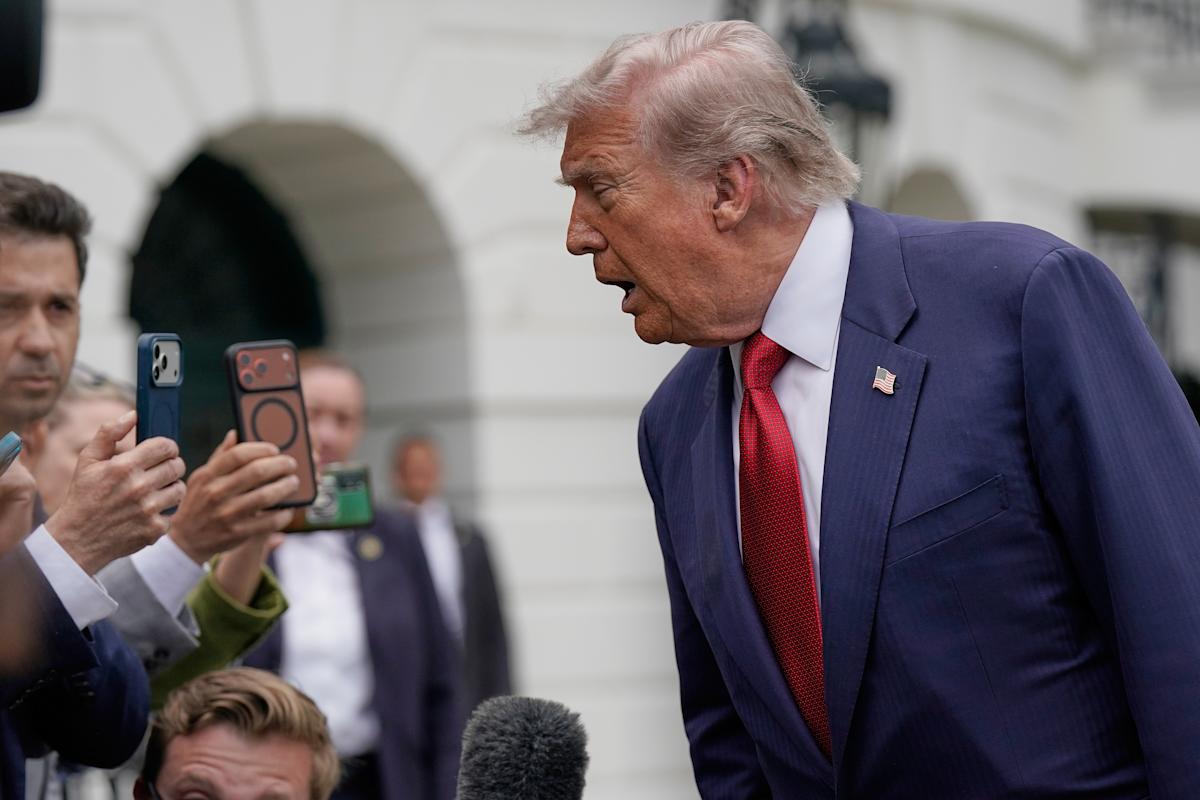
The incident underscores the fragile state of U.S.-Iran relations, as conflicting statements from both sides cast doubt on the success of peace negotiations. President Donald Trump expressed optimism about reaching a deal, but Iranian officials dismissed the prospect, citing unresolved issues such as nuclear disarmament and sanctions. The fragile 14-day ceasefire between the two nations is set to expire on Tuesday, with no clear indication of an extension.
The escalating tensions in the Middle East have heightened global concerns about energy security. The Strait of Hormuz blockade, coupled with the ongoing U.S.-Israeli conflict with Iran and Lebanon, threatens to destabilize the region further. Iran's recent legislative efforts to impose stricter rules on Hormuz transit, including barring vessels from hostile nations, could deepen the geopolitical divide. As peace talks remain uncertain, the risk of prolonged conflict looms, posing significant challenges to global energy markets and diplomatic stability.
 Sources



About the author




- Seizes Iranian Ship Blockade, Casting Doubt Peace Talks
 yahoo
yahoo - Oil Gas Jump Seizure Iranian Ship Imperils Talksyahoo
- Hormuz Traffic Standstill Vessel Seizure Widens Riskyahoo
- Iran Wavers on Peace Talks as Tensions Rise After US Seizes Shipyahoo