

Oil Prices Drop Amid Potential Iran Peace Deal
Oil Price Decline and Market Reaction
Oil prices experienced a notable drop for the second consecutive day, with Brent crude futures declining by $1.89 (1.7%) to $107.98 per barrel, while West Texas Intermediate (WTI) futures fell $1.83 (1.8%) to $100.44 per barrel as of 0340 GMT. This follows a 4% decline in both benchmarks during the previous session. The downward trend is linked to U.S. President Donald Trump’s unexpected announcement of progress in peace negotiations with Iran, raising expectations for a potential resumption of oil supply from the critical Middle East region.
The possibility of a peace deal has sparked market optimism that the bottlenecked supply in the Persian Gulf could gradually return, easing the tightness in global oil markets. However, analysts, including Anh Pham from LSEG, caution that prices are likely to remain elevated as uncertainties surrounding the deal persist and trade flows take time to normalize. Brent and WTI prices both remain above the $100 per barrel mark, underscoring the market's sensitivity to geopolitical developments.
Geopolitical Developments Impacting Oil Supply
President Trump’s announcement to pause certain operations in the Strait of Hormuz, while maintaining a naval blockade of Iranian ports, has significant implications for oil supply chains. The blockade, which has been in place since late February, has restricted the movement of vessels carrying oil and natural gas, effectively reducing global supply. Trump indicated progress towards a comprehensive agreement with Iran, though no specific details were provided, leaving markets in a state of cautious anticipation.
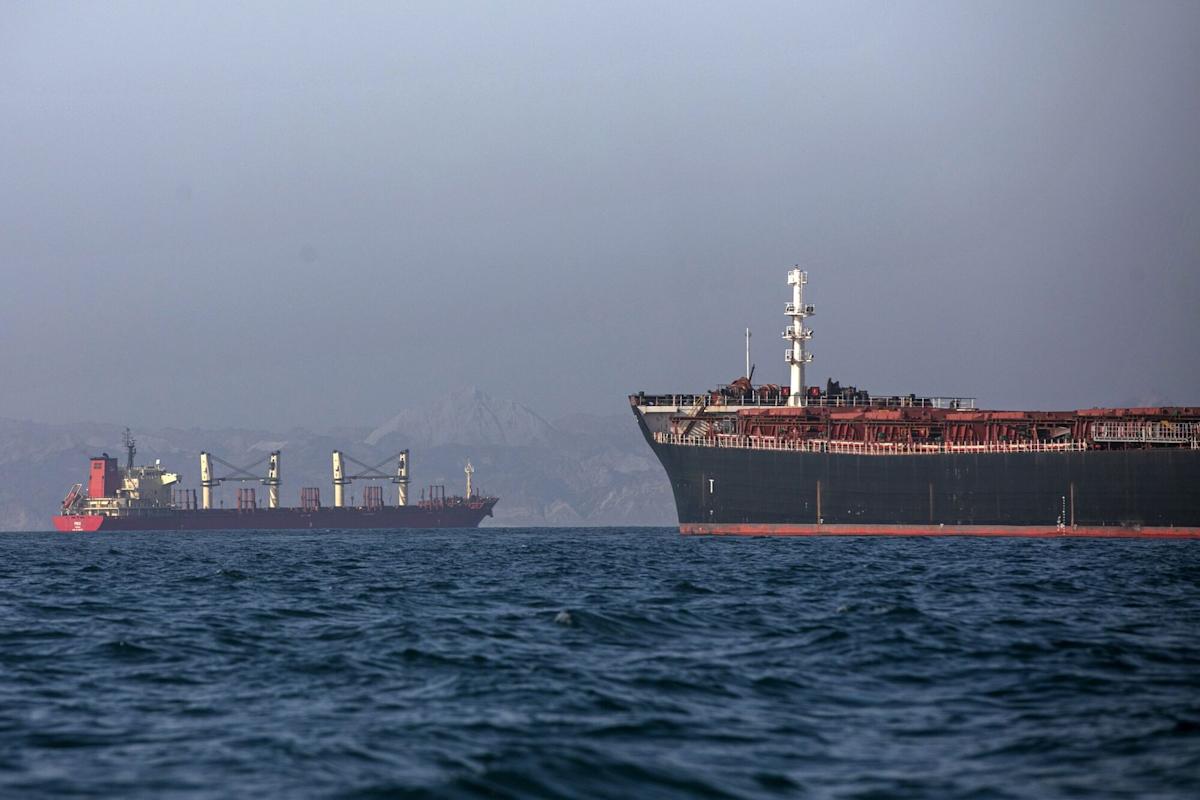
The situation in the Strait of Hormuz has left approximately 1,550 commercial vessels stranded, impacting nearly one-fifth of the world’s oil and natural gas supply. While the potential for a peace deal raises hopes for the release of these vessels, immediate supply recovery remains constrained. Analysts highlight that even with a de-escalation, logistical challenges, insurance risks, and production ramp-up timelines will delay a full return to normalcy in global oil flows.
Market Conditions and Inventory Data
Amid ongoing geopolitical tensions, U.S. crude oil inventories recorded a significant decline of 8.1 million barrels for the week ending April 1, according to market sources citing American Petroleum Institute (API) data. Gasoline and distillate inventories also fell sharply, by 6.1 million barrels and 4.6 million barrels respectively. These drawdowns reflect tightening supply conditions in the U.S., further exacerbated by disruptions in global trade flows.
The inventory declines have provided some support to oil prices, offsetting the bearish sentiment driven by peace deal discussions. However, persistent market volatility remains a key concern. Traders are treading cautiously, given the potential for abrupt changes in geopolitical dynamics and the ongoing impact of stranded vessels in the Persian Gulf. Aggregate open interest in Brent futures has fallen to its lowest level since August, reflecting a widespread retreat from risk amid heightened uncertainty.
 Sources


About the author





- Oil prices fall second day Trump indicates possible Iran peace deal
 yahoo
yahoo - Oil Extends Decline Trump Says 'Great Progress' Iran Talksyahoo
- Oil extends slide Trump indicates possible Iran peace dealyahoo