

Stocks Surge Amid Middle East Peace Deal Hopes
Market Reaction to Peace Deal Hopes
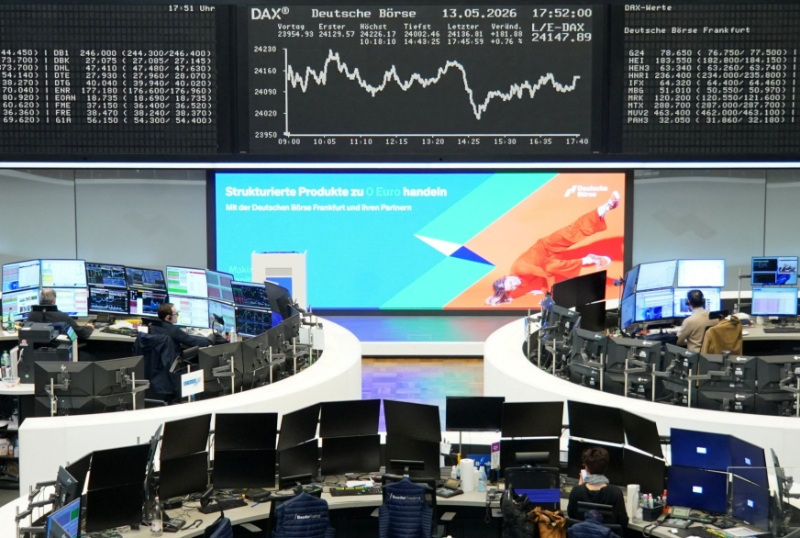
Global stock markets experienced a notable uptick as optimism surrounding a potential peace deal to resolve the Iran conflict gained momentum. Key indices such as the pan-European STOXX 600 rose 1.5% to 630.65, while Nasdaq and S&P futures advanced 1.4% and 1% respectively. Asian markets also followed the trend, with Japan’s Nikkei climbing 3% to surpass the 65,000 mark, and Taiwan’s stock market hitting record highs at 43,644.
The energy sector has been heavily influenced by the conflict, with oil prices surging in recent months due to supply chain disruptions. However, Brent crude dropped 5% to $98.73 per barrel, while U.S. West Texas Intermediate fell to $91.79 per barrel, signaling renewed optimism for restored global supply chains. Despite this, analysts caution that oil prices may remain elevated in the near term until concrete resolutions are enacted.
Impact on Currency and Commodity Markets
The U.S. dollar weakened against major currencies as peace deal speculation gained traction. The euro rose 0.4% to $1.1647, while the Japanese yen firmed at 158.91 per dollar, reflecting increased investor confidence in non-dollar safe-haven assets. The U.S. dollar index fell 0.3% to 98.969, indicating a broader easing of the greenback.
In the commodities market, the peace outlook drove oil prices lower, with Brent crude retreating 5.8% to $97.61 per barrel and WTI sliding to $88.15. Analysts suggest that market volatility may persist as conflicting signals from U.S. and Iranian officials continue to cloud the timeline for a formal agreement. For instance, while U.S. officials expressed optimism, uncertainties over key negotiation points remain, underscoring the cautious stance among traders.
Shifting Interest Rate Expectations
Fluctuations in energy prices due to the Iran conflict have reshaped inflation expectations, prompting speculation on interest rate adjustments by central banks. The Federal Reserve is now expected to implement a 25-basis-point hike by January 2027, a sharp pivot from earlier expectations of rate cuts within the same year. Similarly, the European Central Bank (ECB) is monitoring inflation closely, with policymakers signaling a potential shift toward restrictive monetary policy if energy-driven inflation remains elevated.
The yield on the 30-year U.S. Treasury bond, often considered a barometer for geopolitical and economic risks, briefly touched its highest level since July 2007 last week. However, it has since eased as markets await clearer guidance from central banks. Analysts note that the interplay between inflationary pressures and geopolitical developments will be a key driver of monetary policy decisions in the months ahead.
 Sources



About the author






- Stocks rally, oil dollar ease Middle East peace hopes
 yahoo
yahoo - Oil slips two-week low Iran seen moving closer dealyahoo
- Stocks jump, oil dollar ease Middle East peace hopesyahoo
- Dollar drifts lower oil falls Hormuz deal optimismyahoo