

Inflation Surges Amid Iran War Energy Shock
March CPI Data and Key Drivers
The Consumer Price Index (CPI) rose by 0.9% in March, reflecting the largest monthly increase since mid-2022. This sharp rise was primarily fueled by escalating energy prices, a direct consequence of the U.S.-Israel conflict with Iran. Gasoline prices experienced a staggering 21.2% surge, which accounted for approximately three-quarters of the overall monthly inflation increase. This marks a significant strain on consumer budgets, as the national average for gasoline exceeded $4 per gallon, a level not seen in years. While energy prices dominated the inflationary pressures, other components like airfares also saw moderate increases, rising by 2.7% month-over-month.
Core inflation, which excludes the volatile food and energy sectors, rose at a slower pace of 0.2%, maintaining a year-over-year growth rate of 2.6%. Economists had forecasted slightly higher increases in core inflation, but the data suggests that energy costs remain the most significant inflationary factor for March.
Broader Economic Impacts of the Iran War
The Iran conflict's ripple effects are evident across multiple economic sectors. Rising transportation costs, driven by higher diesel prices, have increased the cost of goods delivery, particularly food items. Fertilizer prices also climbed due to disrupted trade routes through the Strait of Hormuz, further exacerbating food price inflation at grocery stores. While certain fresh produce categories saw double-digit price hikes, other food items remained flat or even declined, leading to uneven price movements across the sector.
Housing-related inflation provided a slight reprieve, as rents and housing costs decelerated compared to previous months. However, the uncertainty surrounding the conflict's long-term impact continues to weigh on the market. Economists caution that secondary effects, such as higher airline fares due to expensive jet fuel and additional surcharges by companies, may further stoke inflationary pressures in the coming months. The evolving geopolitical situation remains a critical factor in shaping future economic stability.
 Sources


About the author


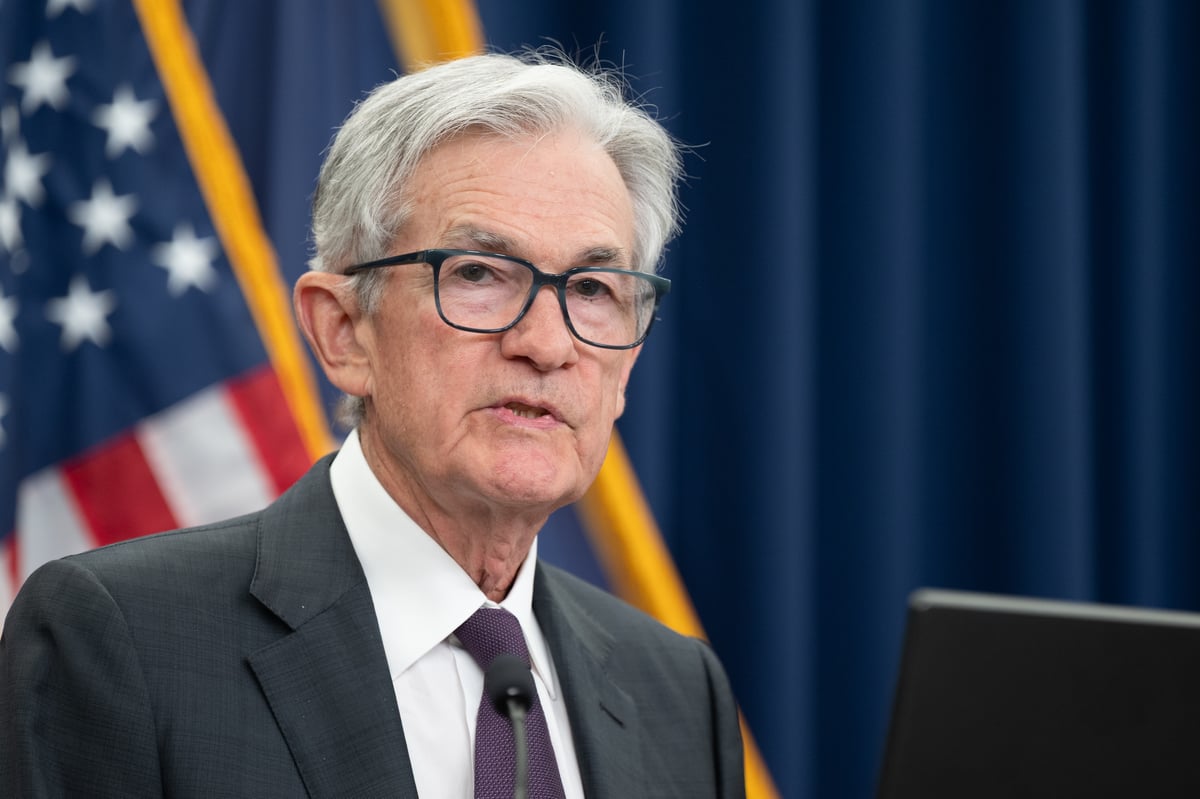


- expect inflation report Iran war began
 yahoo
yahoo - consumer inflation expected surged March amid Iran waryahoo
- CPI inflation data expected energy price spike amid early impacts Iran waryahoo