

Stock Futures Rise Amid Iran Talks, Earnings Season
Stock Market Overview Amid Iran Talks
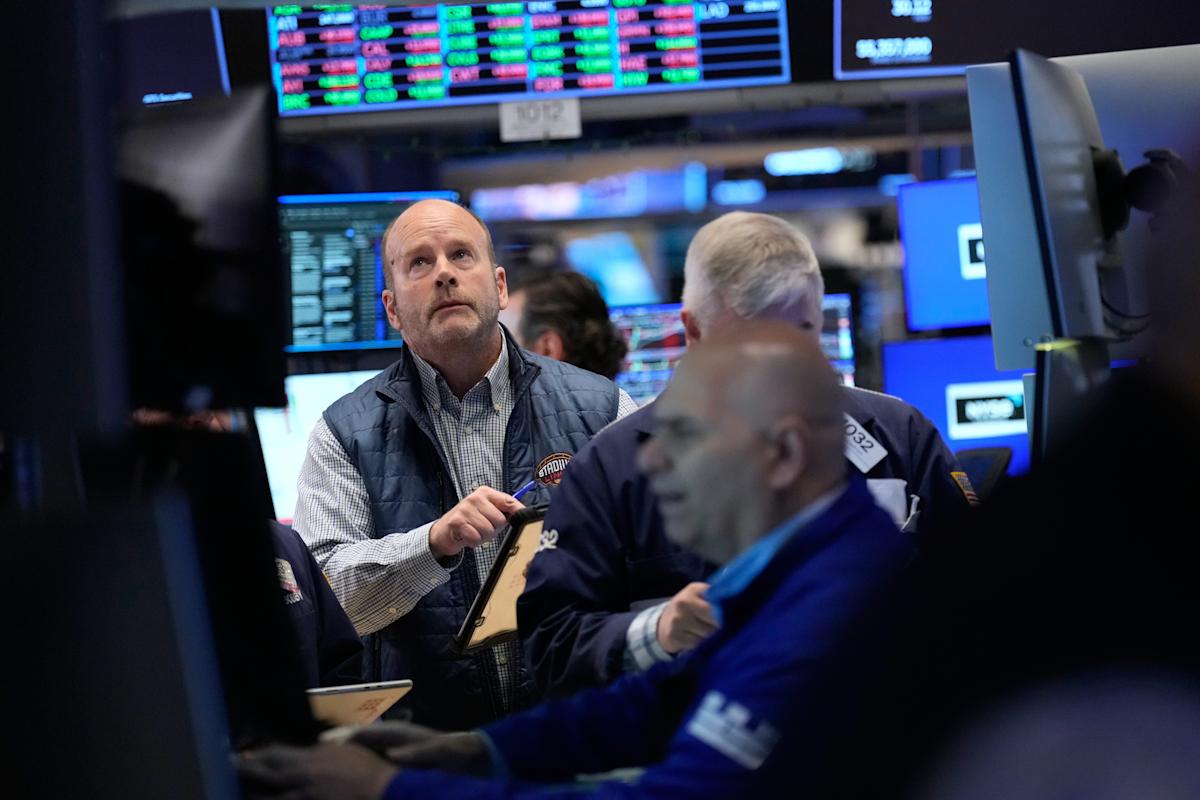
Stock market futures showed modest improvement Tuesday as optimism surrounding Iran negotiations buoyed investor sentiment. The S&P 500 and Nasdaq futures saw gains of 0.2% and 0.5%, respectively, while Dow Jones futures remained largely flat. This follows Monday's session where major indices posted incremental gains, driven by strength in the tech sector.
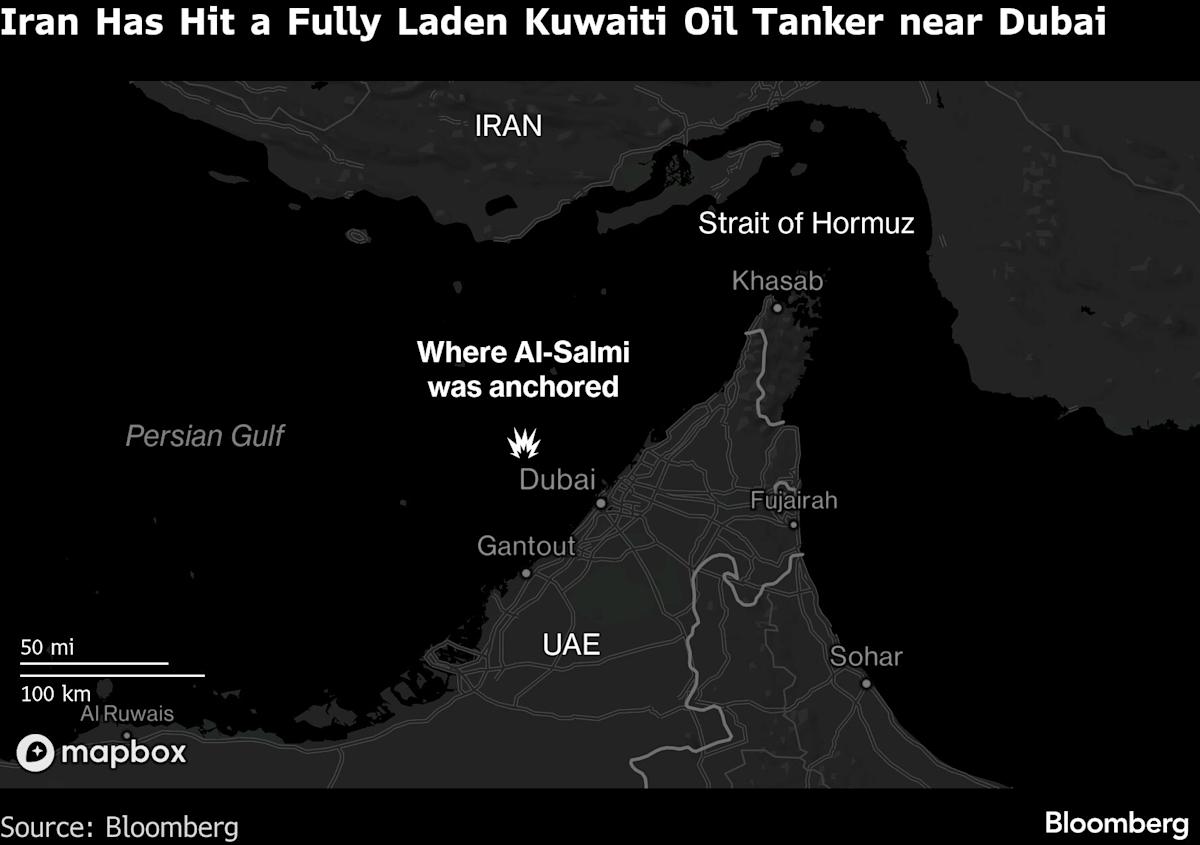
Oil prices declined below the $100 mark, reflecting reduced geopolitical tensions. West Texas Intermediate crude dropped 2.1% to trade at $97 per barrel, while Brent crude edged down to $99 per barrel. President Trump’s comments about potential negotiations with Iran have contributed to a more optimistic outlook, particularly as the current two-week ceasefire nears its expiration date. Investors are closely monitoring developments in the Strait of Hormuz, a critical energy corridor, as any disruptions could significantly impact global oil markets.
Earnings Season and Financial Sector Insights
JPMorgan Chase kicked off the earnings season with a 13% increase in quarterly profits, signaling resilience in the financial sector despite ongoing economic uncertainties. CEO Jamie Dimon acknowledged the complexities facing the economy, citing geopolitical tensions, energy price volatility, and elevated asset valuations as notable risks. Dimon emphasized the importance of preparing for a wide range of potential economic scenarios.
The spotlight now turns to other major banks, including Bank of America, Wells Fargo, Citigroup, and Morgan Stanley, all set to report earnings later this week. These reports will provide critical insights into the health of the financial sector, particularly in light of rising interest rates and inflationary pressures. Analysts will also be paying attention to commentary on loan growth, consumer spending trends, and credit quality as indicators of broader economic stability.
Inflation and Economic Risks Post-Ceasefire
Despite the temporary ceasefire with Iran easing immediate geopolitical tensions, analysts remain cautious about inflationary risks. Goldman Sachs noted that while the perception of reduced risks has somewhat loosened financial conditions, the potential for commodity price spikes still poses significant challenges. The firm highlighted that forward growth risks remain skewed toward higher inflation.
Central banks globally have revised their interest rate projections, with most expected to maintain or increase rates into 2026. However, the Federal Reserve’s anticipated rate cuts have been pushed further into the future. Analysts argue that unless growth prospects deteriorate sharply, short-term yields may remain elevated due to sticky inflation expectations. The interplay between inflation and growth will likely shape monetary policy decisions in the coming months, leaving markets sensitive to economic data releases and geopolitical developments.
 Sources

About the author






- Stock market today: Dow, S&P 500, Nasdaq futures edge higher hopes Iran deal grow
 yahoo
yahoo - Morning Brief: Goldman rakes in, issues warningyahoo
- Stock market today: Dow, S&P 500, Nasdaq futures mixed amid Iran deal hopes, earnings rushyahoo