

Stock Futures Fall as Trump Orders Hormuz Blockade
Market Reaction to Hormuz Blockade Announcement
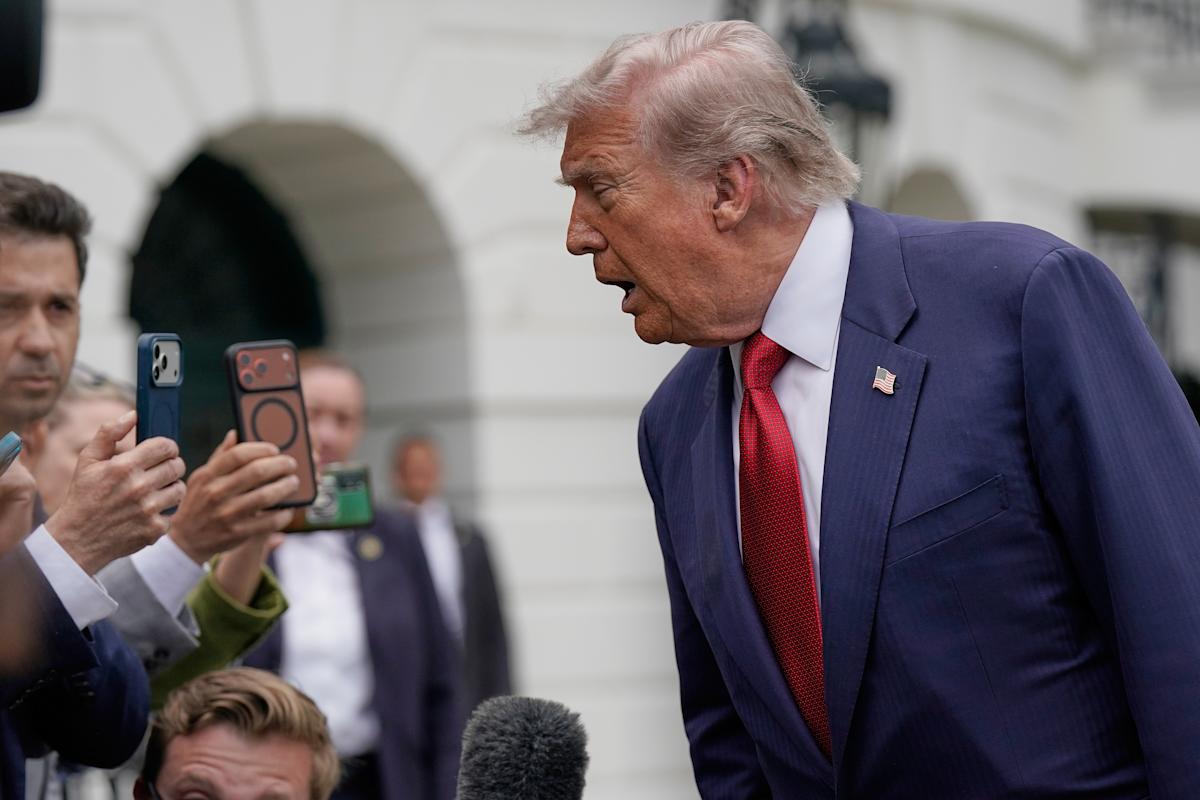
Stock futures dropped sharply Monday after President Trump announced a blockade of the Strait of Hormuz, escalating geopolitical tensions in the Middle East. Dow Jones Industrial Average futures fell approximately 0.7%, shedding over 300 points in early trading. Similarly, S&P 500 and Nasdaq 100 futures declined by 0.5% and 0.6%, respectively. Investors are reacting to heightened uncertainties as the blockade threatens to disrupt critical global energy supply routes.
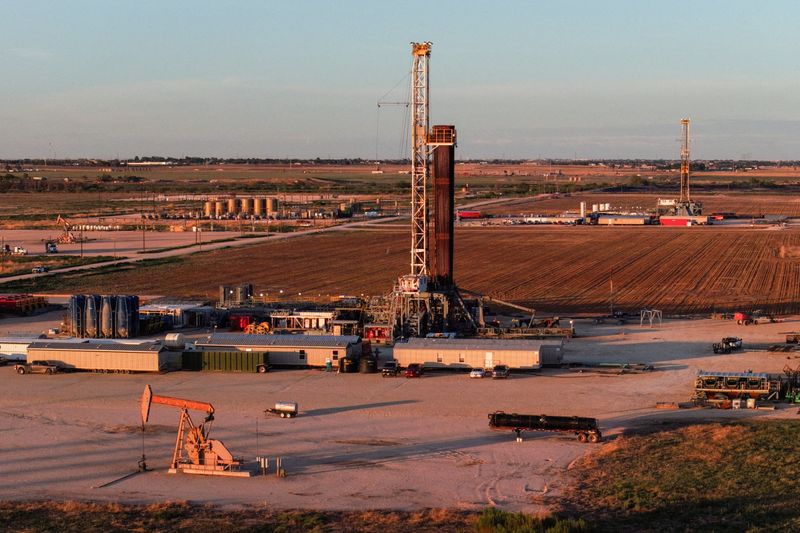
Oil prices surged in response to the announcement, with Brent crude rising over 9% to trade near $104 per barrel, while West Texas Intermediate crude climbed 8% to $104 per barrel. The spike in energy costs has reignited concerns over inflationary pressures and their potential to weigh on global economic growth. Analysts noted that while markets had experienced a brief rally following a fragile ceasefire last week, the renewed volatility underscores investor caution amid an uncertain geopolitical landscape.
Impact of U.S.-Iran Tensions on Global Markets
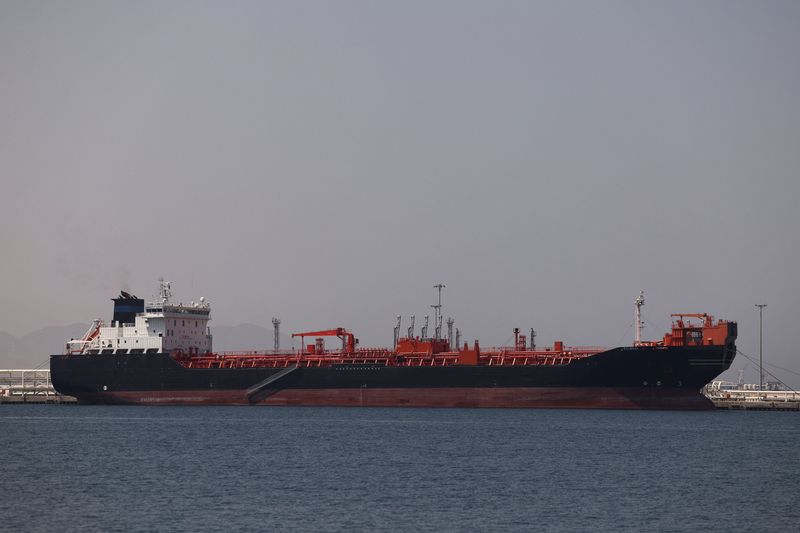
The blockade of the Strait of Hormuz, announced via President Trump's statement on Truth Social, is set to escalate tensions with Iran, which has vowed retaliation. Tehran called the move "an act of piracy" and threatened to target Persian Gulf ports if its energy hubs are jeopardized. The strategic waterway, through which around 20% of the world’s oil supply passes, is critical to global energy markets, and any disruption could have widespread economic repercussions.
Investors are closely monitoring the potential for a prolonged conflict and its implications for global markets. Rising oil prices, coupled with geopolitical instability, have raised fears of a drag on global economic growth. Treasury yields also reflected heightened risk aversion, with the 10-year yield climbing to 4.34% as investors sought safety. The broader financial markets remain on edge as they weigh the risks of extended hostilities against the prospects of diplomatic resolution.
Focus on Earnings Season Amid Uncertainty
Amid the geopolitical uncertainty, attention has turned to the first-quarter earnings season, with major U.S. banks set to report results this week. Goldman Sachs will kick off the season on Monday, followed by earnings releases from JPMorgan Chase, Bank of America, Citigroup, and Morgan Stanley later in the week. These reports are expected to provide critical insights into the resilience of the U.S. economy in the face of rising geopolitical risks and inflationary pressures.
Analysts are particularly focused on trading revenues, loan growth, and net interest margins as indicators of economic strength. Bank executives are also likely to share their outlooks on the potential impacts of the escalating U.S.-Iran tensions on financial markets. The combination of geopolitical uncertainty and earnings data will shape market sentiment, with investors seeking clarity on the trajectory of the economy in an increasingly volatile environment.
 Sources

About the author






- Stock market today: Dow, S&P 500, Nasdaq futures slide Iran war talks fail, Trump orders Hormuz bloc
 yahoo
yahoo - Stock Market Today: Futures Decline Oil Soars; Trump Announces Strait Hormuz Blockade; Goldman Sachs
 investopedia
 - Stock market today: Dow, S&P 500, Nasdaq futures slide Trump orders Hormuz blockade Iranyahoo
- Oil Slips as US, Iran Weigh More Talks With Blockade in Placeyahoo