

Trump Orders Hormuz Blockade Amid Rising Tensions
Trump’s Decision and Strategic Importance of Hormuz
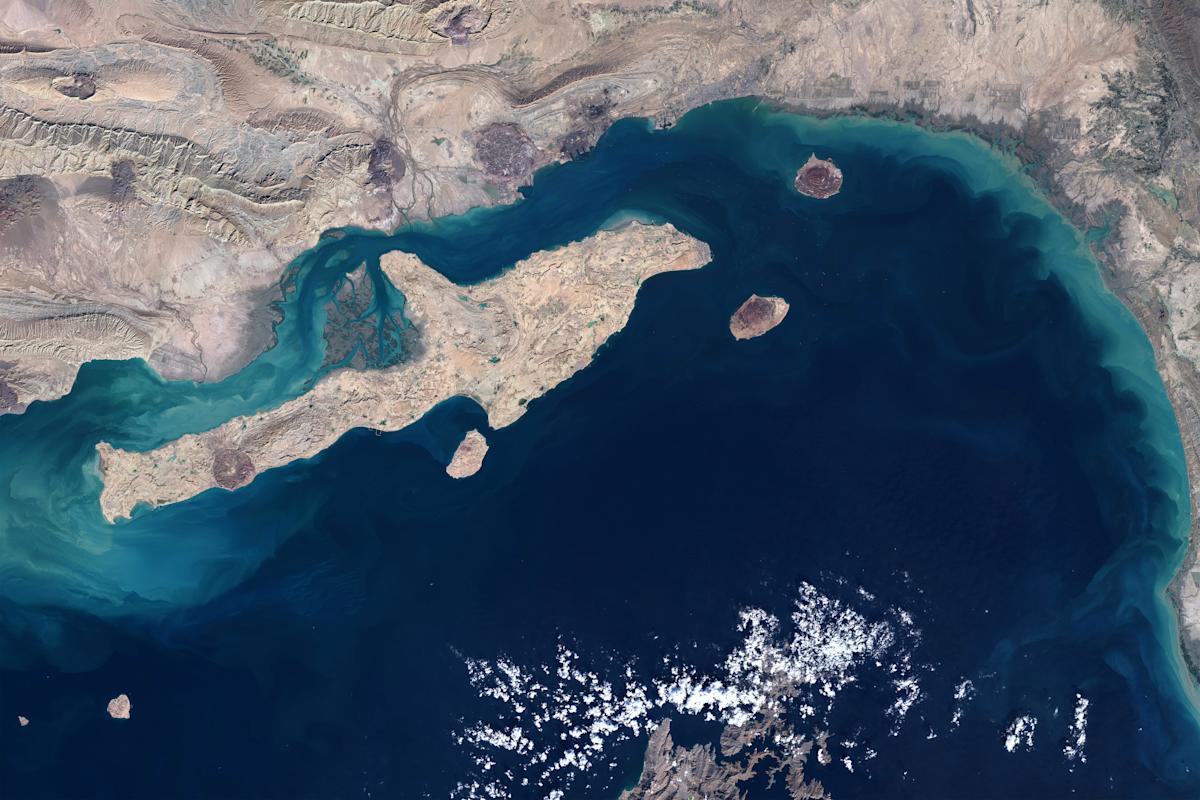
President Donald Trump announced a naval blockade of the Strait of Hormuz following the collapse of peace negotiations with Iran in Islamabad. This critical decision aims to disrupt Iran’s primary channel for oil exports, a move that could significantly impact the global energy market. The Strait of Hormuz is one of the most vital energy chokepoints in the world, with approximately 20% of the global oil supply and 25% of liquefied natural gas passing through its waters daily.
The blockade is expected to further isolate Iran economically, as oil exports represent a major portion of the country's revenue. Trump stated that this measure is aimed at forcing Iran to reconsider its geopolitical strategies and return to negotiations. However, enforcing such a blockade could present logistical challenges, particularly given Iran’s military presence in the region and its capacity to retaliate.
Global Implications and Market Reactions
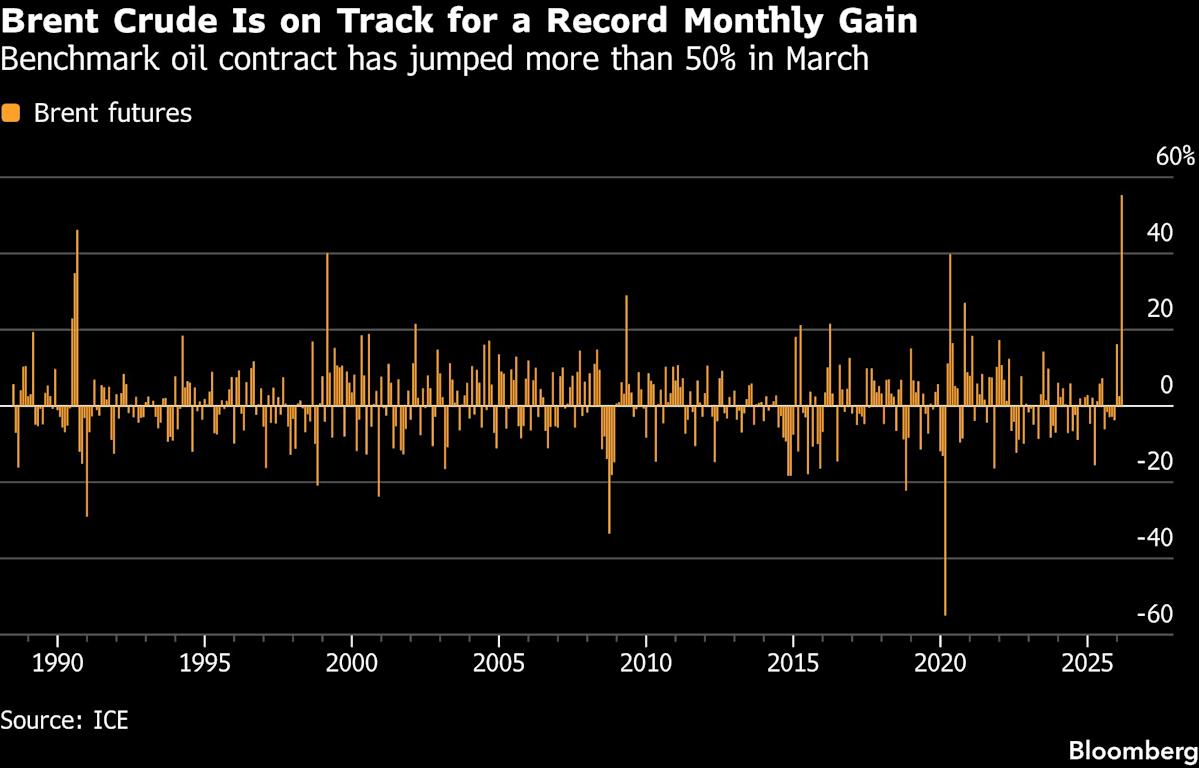
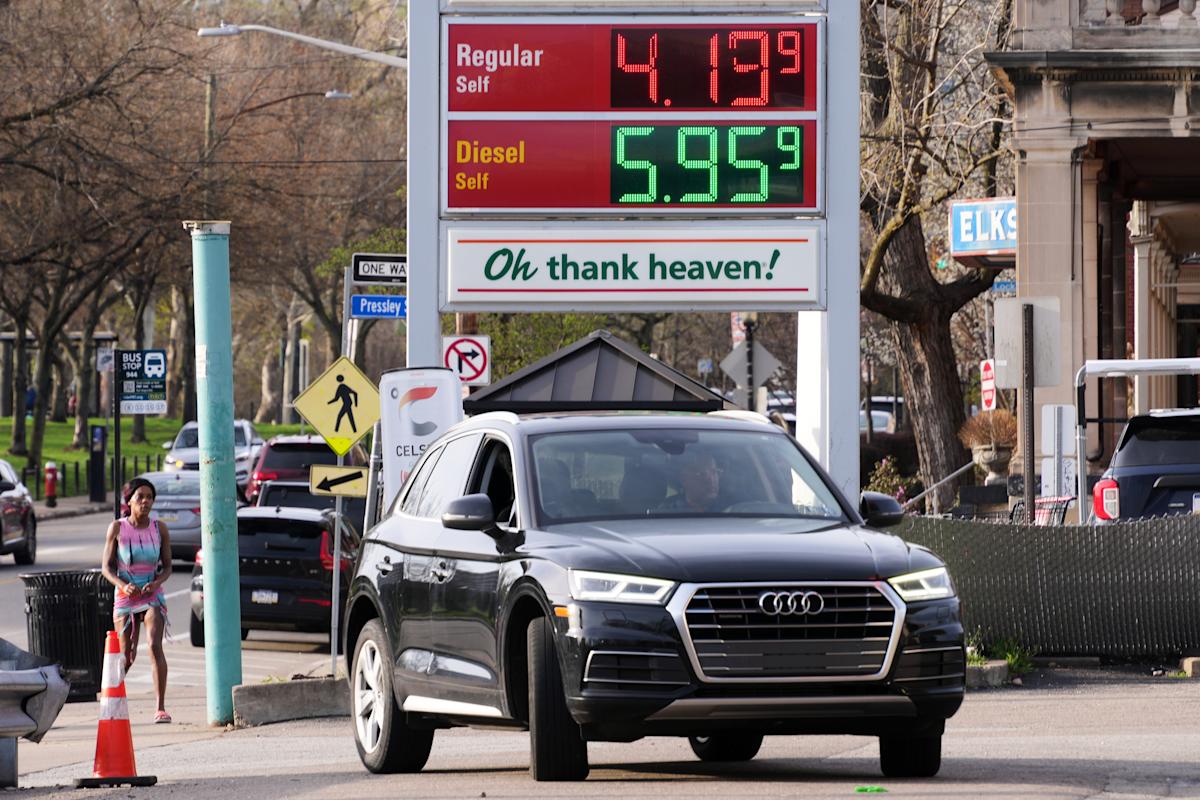
The announcement of the blockade has already sent shockwaves through global energy markets. Oil futures surged by nearly 30% in the immediate aftermath, with Brent crude prices exceeding $140 per barrel, as traders anticipated significant supply constraints. The disruption in the Strait of Hormuz has raised fears of prolonged energy shortages, particularly for countries heavily reliant on Middle Eastern oil.
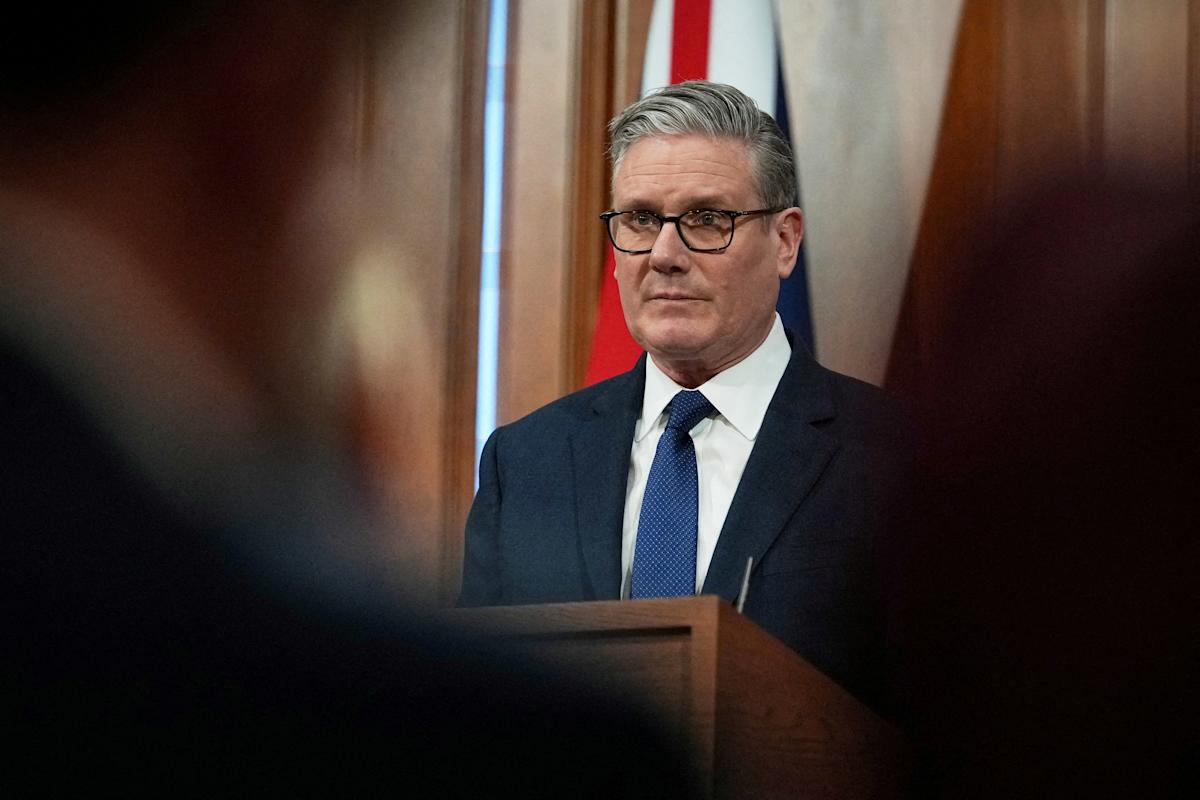
The United Kingdom, while condemning Iran’s actions, has stated it will not participate in the blockade directly. Instead, the UK is deploying mine-hunting drones to ensure safe navigation for its vessels. Other allies, including European nations, have expressed concerns over the potential for market instability but remain cautious about committing military resources without a broader international consensus.
Regional Risks and Future Outlook
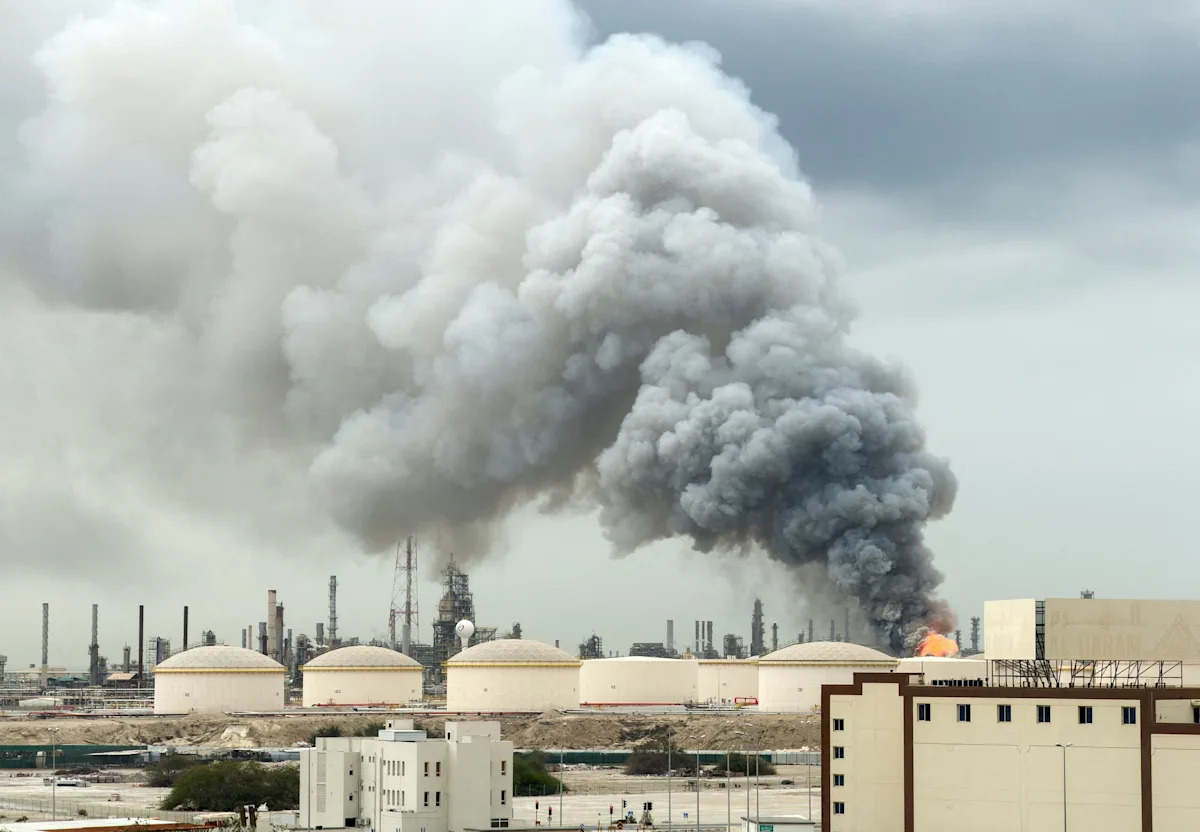
The blockade heightens the risk of a direct military confrontation with Iran, which has already threatened retaliation should its oil shipments be obstructed. Iran possesses significant missile capabilities that could target U.S. naval assets in the region, making the enforcement of the blockade a perilous undertaking. Moreover, Tehran’s potential use of asymmetric tactics, such as mining key waterways, could further destabilize the situation.
In the long term, the blockade could strain international relations, especially with countries like China and India that rely heavily on Iranian oil imports. Energy security is also a growing concern as nations scramble to diversify their energy sources and reduce dependence on the Middle East. While the U.S. aims to leverage the blockade as a tool for geopolitical pressure, the broader implications could include a reshaping of global energy alliances and heightened tensions in an already volatile region.
 Sources


About the author



- Here’s What’s Sailing Hormuz Trump Vows Blockade
 yahoo
yahoo - Trump Says Sever Key Iran Lifeline Blockade Straityahoo
- UK won't Trump’s planned blockade Hormuz Straityahoo
- blockade ships entering leaving Iranian ports Mondayyahoo