

Oil Prices Surge Amid Iran Conflict Escalation
Record Oil Price Increases Amid Middle East Conflict
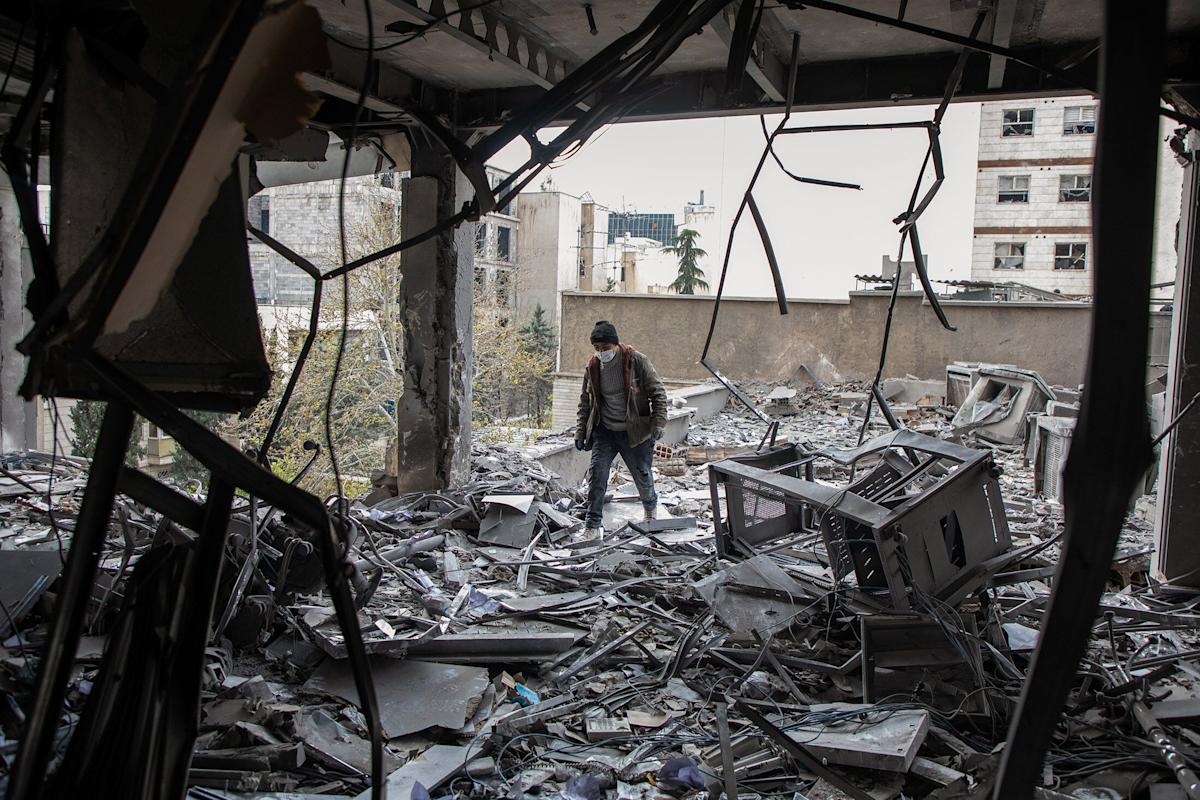
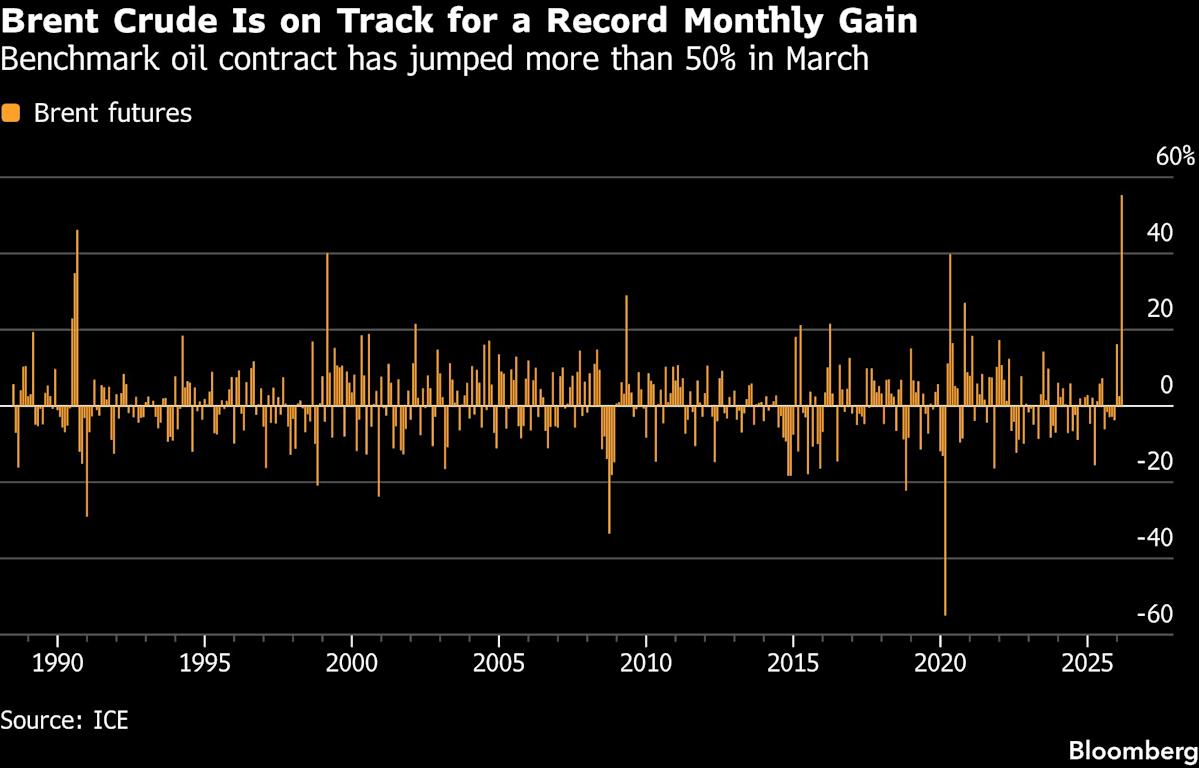
Brent crude has surged by an unprecedented 60% this month, marking its steepest monthly rise since the Gulf War of 1990. This increase is attributed to the escalating conflict between the U.S., Israel, and Iran, which has disrupted critical oil transit routes and raised fears of prolonged supply shortages. The Strait of Hormuz, a vital passageway for nearly 20% of the world’s oil, has been effectively constrained by the conflict, further straining global energy supplies. This dramatic rise in oil prices reflects market concerns over the potential for sustained disruptions and the broader implications for energy security.
Houthi Attacks and Global Energy Market Impact
Iran-aligned Houthi rebels in Yemen have intensified the crisis by launching missile strikes on Israel, introducing a new layer of uncertainty in the Middle East. These attacks have heightened fears of a potential blockade of the Bab al-Mandeb Strait, a key chokepoint connecting the Red Sea to the Gulf of Aden. This waterway facilitates approximately 10% of the world’s oil flow, and any disruption could trigger a substantial strain on global supply chains. Analysts have warned that the Houthis’ increased capability to target energy infrastructure could exacerbate the volatility in oil markets, with Saudi Arabia’s Red Sea port Yanbu also emerging as a potential target.
Economic and Market Implications of Prolonged Conflict
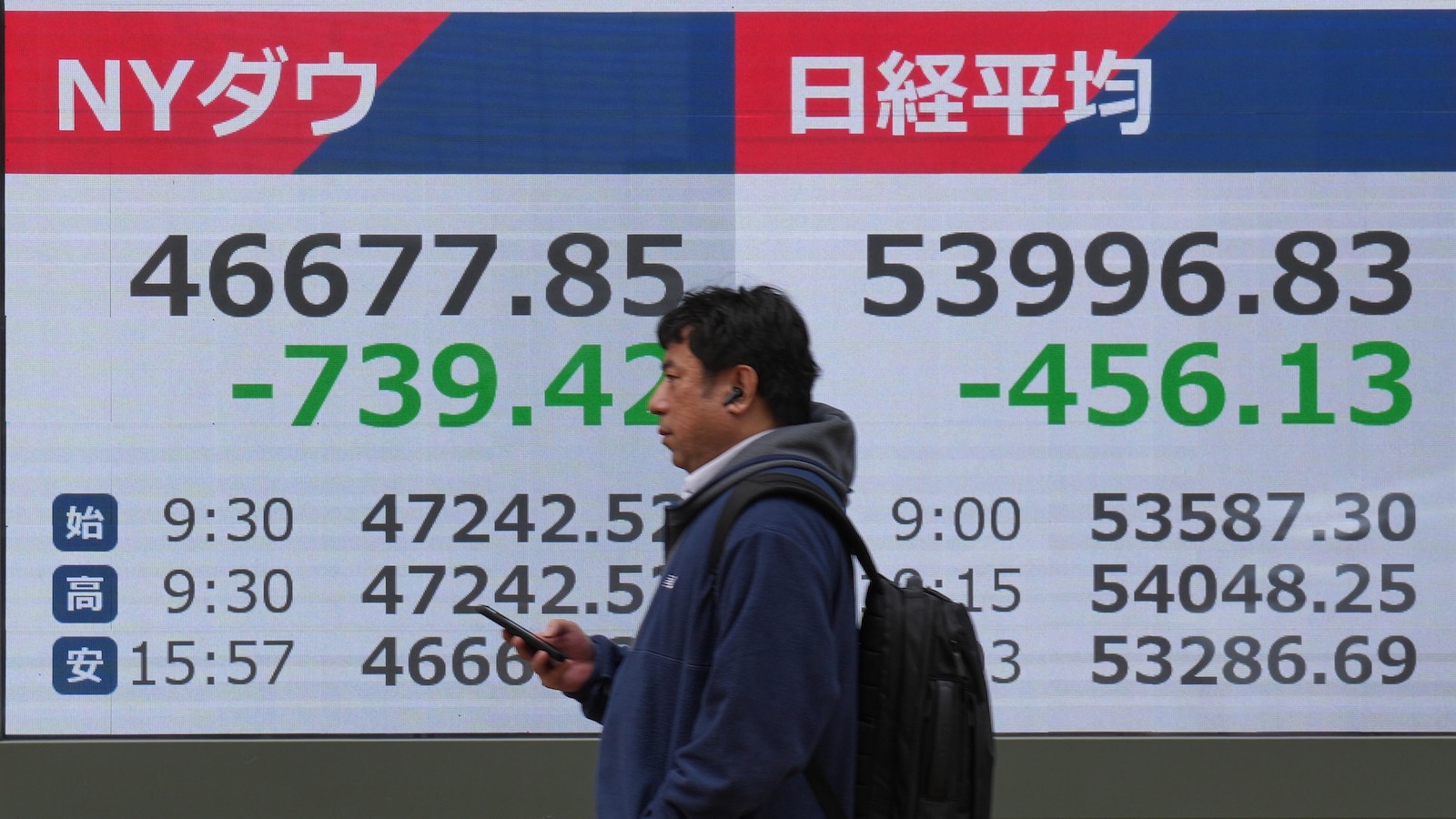
The prolonged nature of the U.S.-Israel-Iran conflict has sparked global inflationary pressures, with rising energy costs threatening to slow economic growth worldwide. Analysts forecast that oil prices could reach $130 per barrel if the current geopolitical tensions continue unabated. This would mirror past oil shocks, such as those seen during the 1970s, which led to widespread economic instability. The combination of higher energy prices and disrupted supply chains poses a significant risk to consumer spending and industrial production, particularly in emerging markets that are heavily reliant on energy imports. The global economy faces a delicate balance as markets attempt to navigate this period of heightened uncertainty.
 Sources


About the author



- Brent heads record monthly jump Iran conflict widens
 yahoo
yahoo - Oil Gains Iran War Escalates Houthi Attacks Israelyahoo
- Oil Gains Iran War Escalates Houthi Attacks Israelyahoo
- Iran war: Oil rises $115 Asia shares slide conflict escalates
 bbc
bbc