

Australia Halves Fuel Tax Amid Rising Prices
Fuel Tax Cut and Inflation Impact
Australia has temporarily halved its fuel excise tax to alleviate the financial burden on consumers as fuel prices soar due to geopolitical tensions. The cut, effective immediately, reduces the levy on petrol and diesel by 26 Australian cents per liter, equivalent to approximately $0.18 USD. Prime Minister Anthony Albanese announced the measure, emphasizing its intent to shield households and businesses from escalating costs. The tax cut is expected to save drivers around A$10 to A$20 per tank, depending on vehicle size.
This temporary policy, projected to cost the government A$2.55 billion, is anticipated to lower the Consumer Price Index (CPI) by 0.5 percentage points. However, experts warn that inflationary pressures persist, with the annual inflation rate predicted to rise to 4.5% this year due to elevated energy prices. Economists, such as Luci Ellis from Westpac Banking Corp., note that while the excise reduction provides short-term relief, its long-term effect on inflation may be limited, especially as it excludes other oil-related products like aviation fuel.
Rising Fuel Prices and Shortages
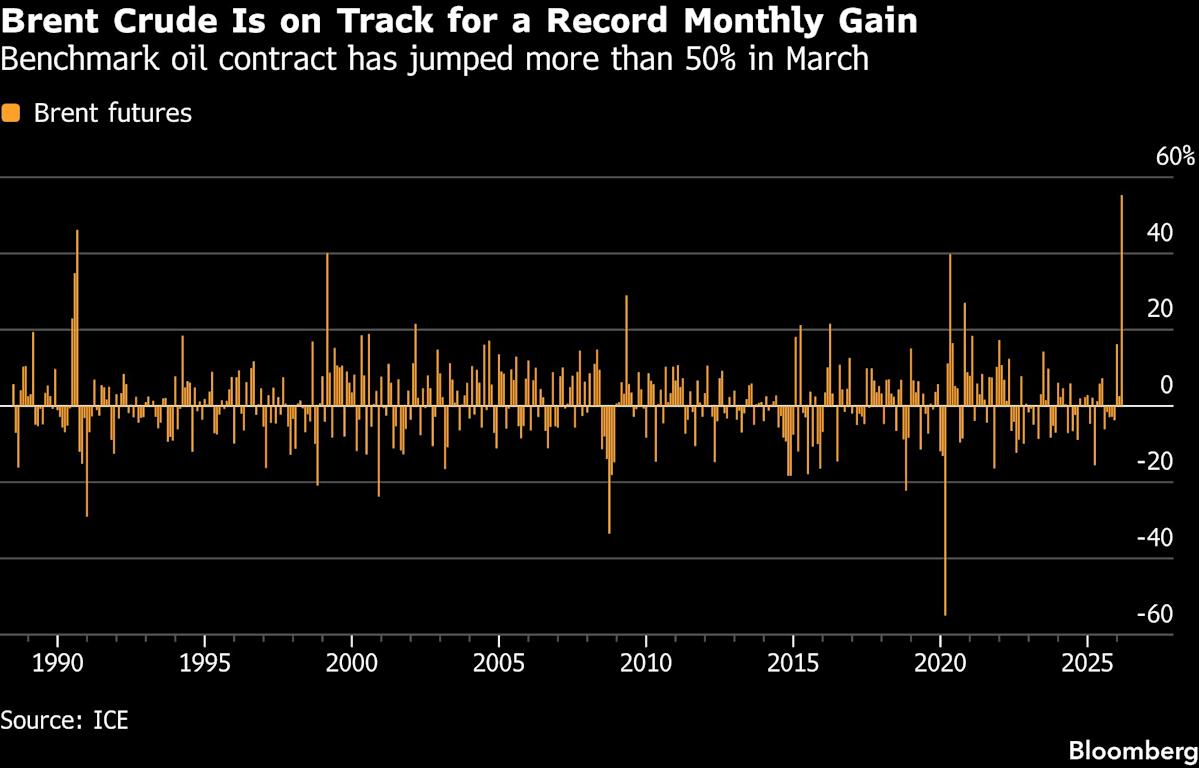
Fuel prices in Australia have surged to record highs, with diesel reaching an average of A$2.82 per liter and petrol at A$2.40, marking the highest levels in two decades. Rural regions, particularly the Northern Territory, face even steeper costs, intensifying challenges for farmers and transport-dependent industries. Panic buying has exacerbated the situation, with some gas stations reporting fuel shortages as demand outstrips supply.
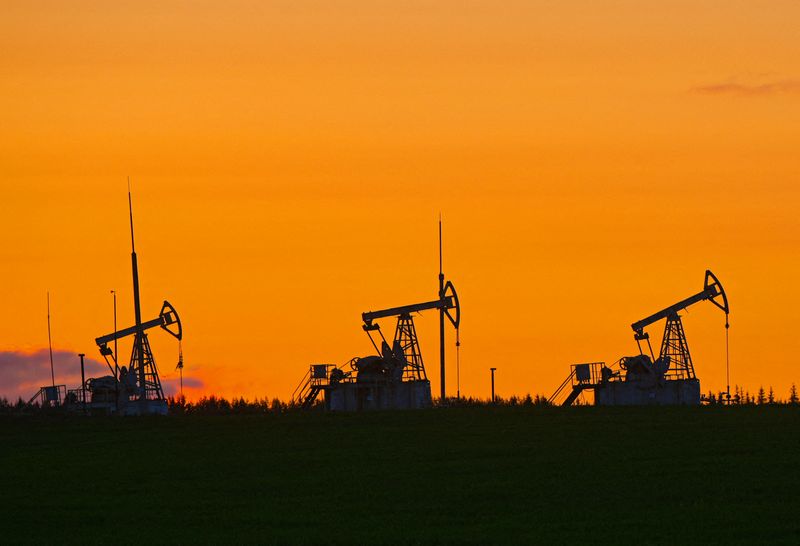
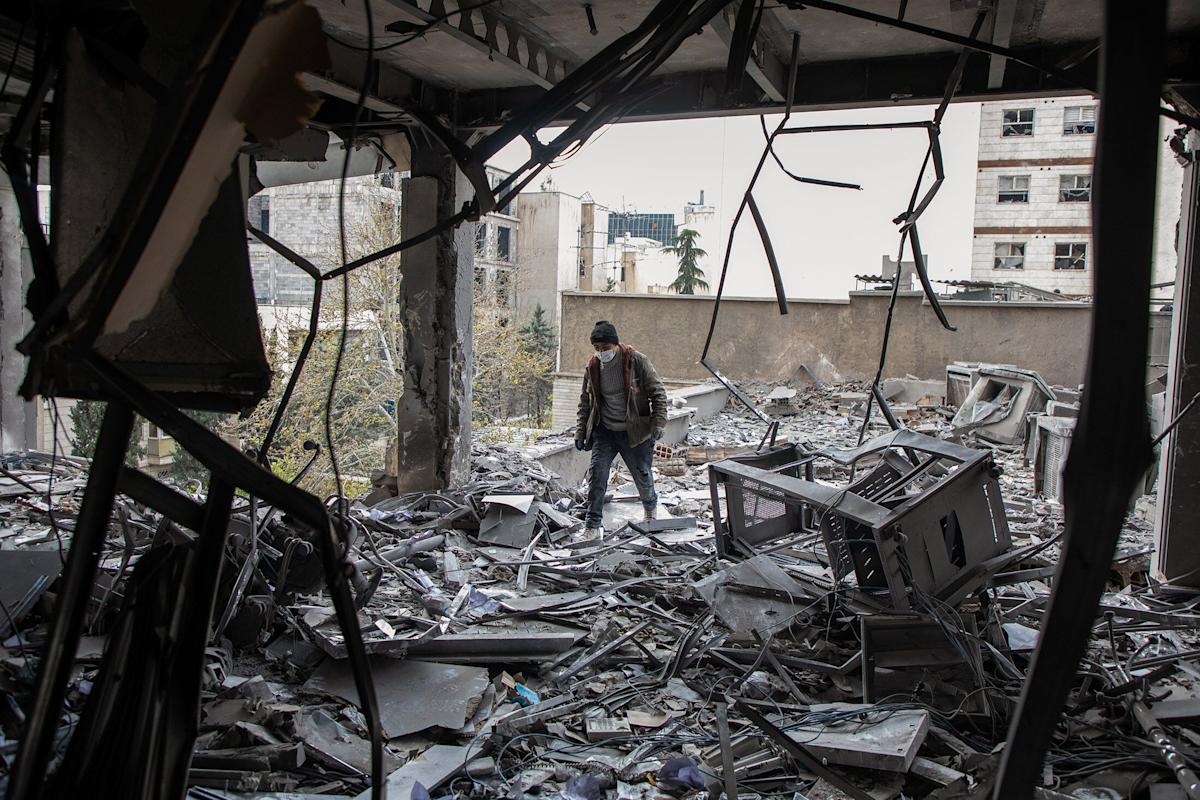
The price spike is attributed to disruptions in global oil markets, especially following the effective closure of the Strait of Hormuz amid Middle East conflicts. The crisis has hit Australia’s agriculture and mining sectors particularly hard, with rising costs for essentials like diesel affecting operations. For instance, livestock farmers are experiencing increased costs, with some estimating an additional A$20 per animal due to higher transport expenses.
Additional Measures and Government Support
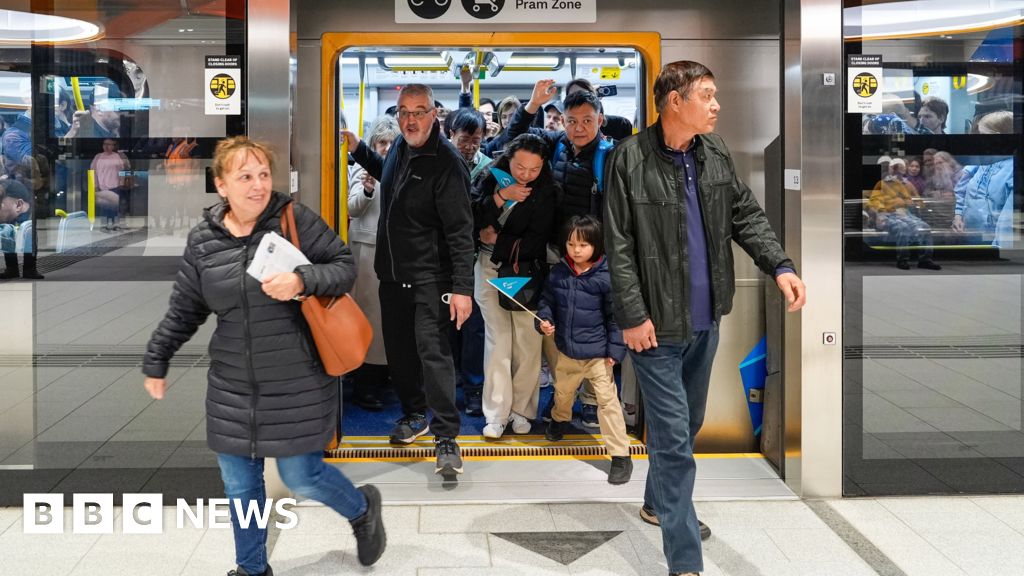
In response to the crisis, certain Australian states have introduced free public transport initiatives to ease the financial strain on commuters and reduce fuel demand. Victoria and Tasmania have announced free travel on trains, buses, and ferries for limited periods, providing immediate relief for residents. However, other states, such as New South Wales and Queensland, have opted for alternative measures, such as subsidized fares or expanded travel card programs for seniors.
At the federal level, the government is ensuring stable fuel imports to mitigate supply chain disruptions. Despite reports of canceled shipments, officials have reassured the public that national fuel imports remain at normal levels. Additionally, the government has pledged to underwrite private sector fuel purchases from international markets if necessary, aiming to stabilize supply and prevent further shortages. These combined efforts reflect a multi-pronged approach to managing the economic and logistical fallout from rising fuel prices.
 Sources
About the author


- Australia Halve Fuel Tax Iran War Impacts Spread
 yahoo
yahoo - Australia Cuts Fuel Tax Shield Drivers Iran Impactyahoo
- Fuel tax halved free public transport offered war pushes prices Australia
 bbc
bbc