

US Temporarily Eases Sanctions on Stranded Russian Oil
US Action to Address Energy Market Volatility
The United States has issued a temporary authorization allowing countries to purchase Russian oil currently stranded at sea. This measure, announced by Treasury Secretary Scott Bessent, aims to stabilize global energy markets amid escalating tensions in the Middle East. The authorization, valid until April 11, applies exclusively to oil and petroleum products loaded onto vessels as of the announcement date. The decision follows a sharp spike in oil prices, with Brent crude surpassing $100 per barrel for the first time in nearly a decade.
The US government emphasized that this action is narrowly tailored and designed to prevent significant financial benefits to Russia. By targeting oil already in transit, the measure seeks to alleviate immediate supply constraints without undermining broader sanctions on Moscow. This initiative reflects a calculated effort to mitigate energy market volatility while addressing the economic ripple effects of the Iran-US conflict.
Global Energy Market Impact and Responses
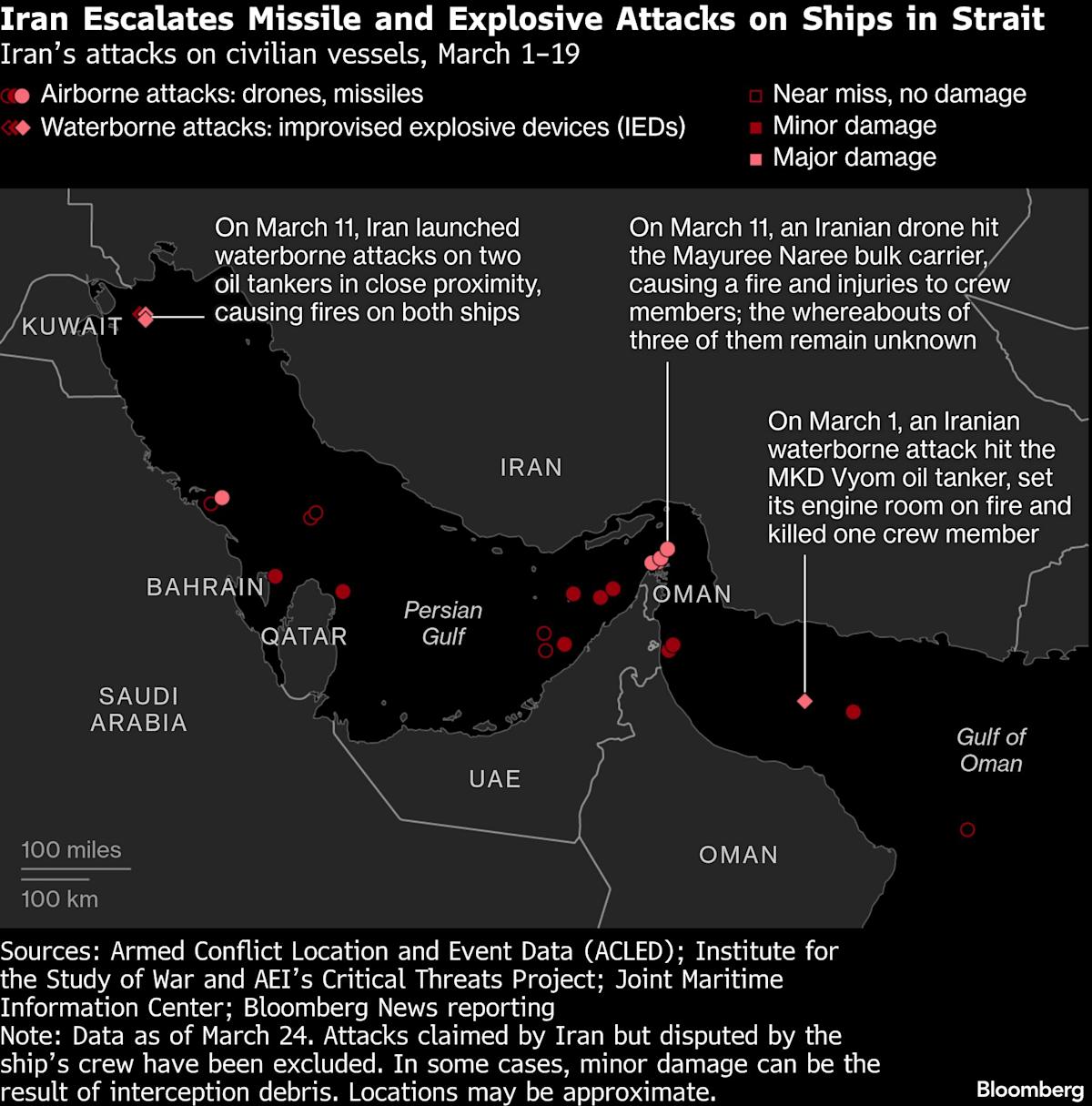
The Iran-US conflict has significantly disrupted global energy markets, with oil prices climbing above $100 per barrel. The closure of the Strait of Hormuz, a critical chokepoint for nearly 20% of the world's oil supply, has intensified concerns over energy security. In response, the International Energy Agency (IEA) announced an unprecedented release of 400 million barrels of oil from strategic reserves, a coordinated move by its 32 member nations to counteract supply shortages.
Governments worldwide are adopting measures to shield their economies from surging energy costs. For instance, the Philippines, heavily reliant on Middle Eastern oil, has implemented a four-day workweek to conserve fuel. Meanwhile, Brent crude hovered around $100.29 in Friday trading, reflecting persistent market uncertainties despite global interventions. These developments underscore the fragility of energy markets amid geopolitical tensions.
Additional Measures to Secure Energy Supply
In addition to oil releases, the US has mobilized military and financial resources to ensure the safe passage of energy shipments through the Gulf. Naval escorts and political risk insurance are being deployed to stabilize maritime trade routes in the region. The US Navy has been tasked with safeguarding vessels navigating the Strait of Hormuz, a critical step toward mitigating disruptions in the global oil supply chain.
Asian nations, major importers of Gulf oil, are also taking action. Japan, South Korea, and Thailand have introduced fuel price caps to curb inflationary pressures. The Philippines has further advised public sector workers to adopt shorter workweeks to conserve energy. These strategic adjustments highlight the global effort to address the immediate impact of the Iran-US conflict on energy security while seeking long-term resilience in supply chains.
 Sources




About the author






- allows countries buy Russian oil stranded sea 30 days
 yahoo
yahoo - eases Russia oil sanctions Iran war pushes energy prices
 bbc
bbc - Trump Eases Sanctions Russian Oil 'Stranded Sea' Counter Middle East Supply Shock Amid Iran-US War -
 benzinga