

Oil Near $100 Amid Iran Conflict Updates
Oil Price Volatility and Global Market Trends
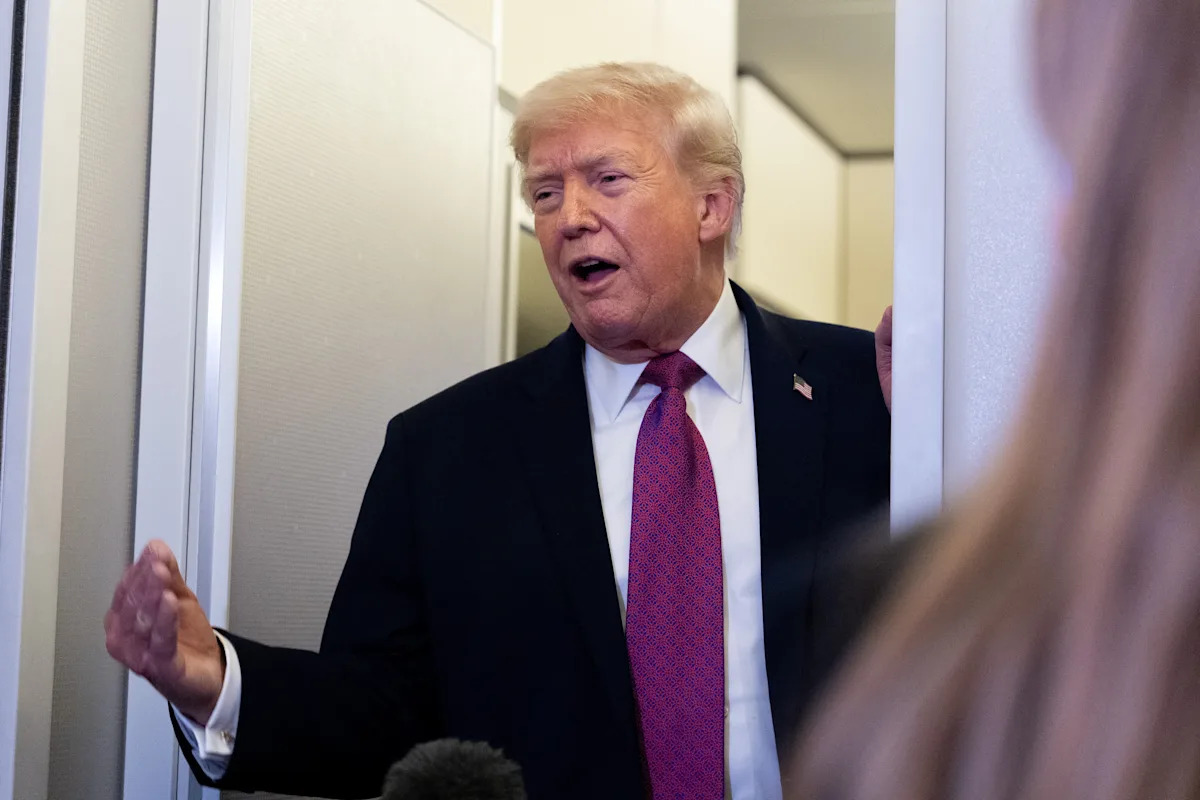
Brent crude oil prices demonstrated significant volatility as President Donald Trump’s remarks on the potential resolution of the Iran conflict influenced market sentiment. Earlier in the trading session, Brent crude briefly dipped below $100 per barrel, reflecting a 5% slump, before recovering to trade near $103. This price instability highlights the sensitivity of global oil markets to geopolitical developments, especially in regions critical to energy supply.
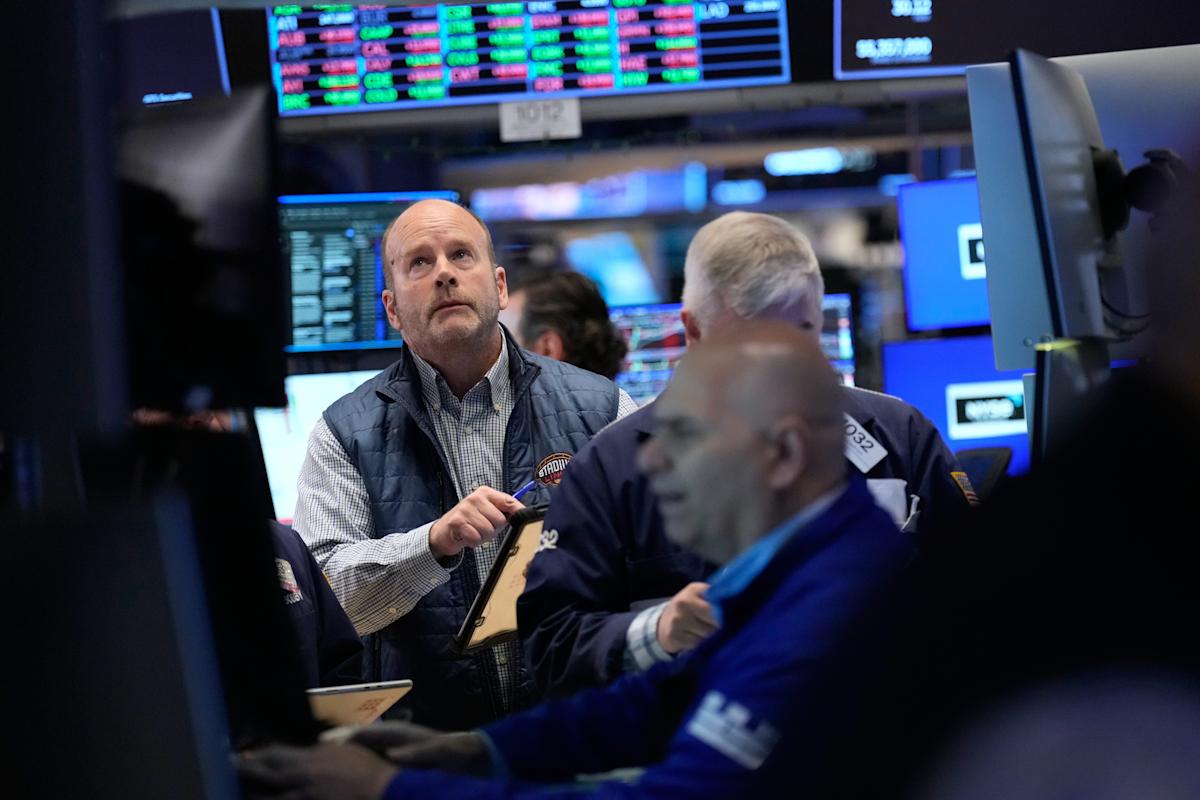
European stock markets responded positively to the cautious optimism surrounding Trump’s comments. The FTSE 100 rose by 1.3%, while Germany’s DAX and France’s CAC gained 2.1% and 1.8%, respectively. Asian markets also rallied, with Japan’s Nikkei 225 closing 5.2% higher and South Korea’s Kospi surging 8.4%. These gains underscore investor confidence in a potential de-escalation of Middle Eastern tensions, despite persistent risks.
Impact of Strait of Hormuz Disruptions
The Strait of Hormuz remains a crucial chokepoint, accounting for a fifth of the world’s oil flows. The ongoing disruptions have caused significant supply chain challenges, as tanker movements in the region face heightened risk from military activity. Oil refiners worldwide are reportedly bidding aggressively for crude to mitigate production shortfalls, particularly in jet fuel and diesel supplies.
The International Energy Agency (IEA) has classified the situation as one of the most severe supply disruptions since the 1990 Gulf War. This has driven crude prices up by 40% in March alone, exacerbating inflationary pressures globally. Retail gasoline prices in the United States have reached over $4 per gallon, levels not seen since mid-2022. Economists warn that prolonged disruptions could further strain global energy markets and consumer spending.
Ongoing Tensions and Geopolitical Developments
Despite President Trump’s indication of a potential U.S. exit from Iran in the coming weeks, Iran has set forth stringent conditions for negotiations. Tehran demands guarantees to prevent future conflicts and insists on maintaining sovereignty over the Strait of Hormuz. Meanwhile, U.S. officials have yet to clarify the terms of any ongoing discussions with Iranian counterparts.
Geopolitical tensions remain high, with military operations persisting in the region. On Wednesday, a fuel oil tanker near Qatar was reportedly struck by a missile, causing a fire that was later extinguished. Although no environmental damage was reported, the incident underscores the fragile security environment in the Gulf. Regional powers, including the UAE, have called for international coalitions to ensure the safe passage of vessels through the waterway. These developments suggest that while diplomatic efforts may be underway, the risk of further escalation remains significant.
 Sources

About the author





- Oil briefly falls $100 shares jump Trump Iran war pledge
 bbc
bbc - Oil Slips Near $100 Optimism Iran War Resolution
 yahoo
yahoo - Oil Recovers Choppy Trade Ahead Trump Speech Iranyahoo
- Ahead of national address, Trump says Strait of Hormuz must be 'open, free and clear' before ceasefiyahoo