

Fed’s Waller Cautions Rate Cuts Amid Inflation Risks
Inflation Risks from Prolonged Conflict
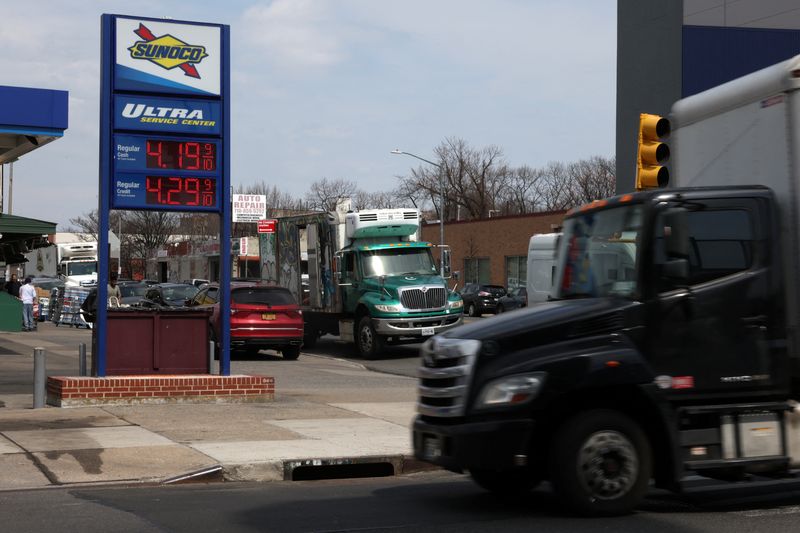
Sustained high energy prices due to prolonged geopolitical conflict can significantly impact inflation and supply chains. Elevated energy costs tend to ripple through the economy, increasing production and transportation expenses for businesses. These additional costs are often passed on to consumers, leading to higher prices for goods and services. Over time, this can result in "cost-push" inflation, where increased production costs drive overall price levels upward.
Moreover, if energy prices remain elevated for an extended period, businesses may begin to incorporate these costs into their pricing models, leading to a more permanent embedding of high inflation. This scenario poses a risk of inflation becoming entrenched, complicating the Federal Reserve's ability to manage price stability. Supply chain disruptions further exacerbate this issue by delaying production and increasing costs across industries, adding to the inflationary pressures.
Conditions for Rate Cuts
The possibility of Federal Reserve rate cuts hinges on a swift resolution to ongoing conflicts and stabilization of inflation metrics. If geopolitical tensions ease and energy prices normalize, inflation could begin to retreat toward the Fed's 2% target. In this scenario, the Fed may consider rate cuts to support economic growth and strengthen the labor market.
However, the central bank must carefully balance inflation pressures against labor market stability. If inflation remains high while the job market weakens, the Fed may prioritize controlling inflation over reducing interest rates. This balancing act reflects the Fed's dual mandate to achieve maximum employment and stable prices. Any decision on rate cuts would likely depend on sustained improvements in inflation data and a clear indication of economic resilience.
Fed’s Vigilance Amid Uncertainty
Managing sequential economic shocks presents a significant challenge for the Federal Reserve. A sequence of disruptions, such as energy price spikes and supply chain constraints, can complicate the Fed's ability to distinguish between temporary and persistent inflationary pressures. Policymakers must remain vigilant to prevent inflation expectations from becoming unanchored.
Additionally, the Fed closely monitors employment trends to gauge the health of the labor market. Changes in hiring patterns or unemployment rates can signal underlying economic weaknesses that require policy adjustments. Inflation metrics, such as the personal consumption expenditures price index, are also critical indicators guiding the Fed's decisions. In an environment of uncertainty, the Fed must strike a careful balance between responding to immediate economic challenges and maintaining a long-term focus on price stability and employment goals.
 Sources


About the author






- Fed’s Waller Signals Caution Rate Cuts, Sees Risk Longer Conflict
 yahoo
yahoo - Fed's Waller says swift war end rate cut hopes aliveyahoo
- Fed's Waller strikes cautious tone rate cuts amid oil shockyahoo