

Oil Prices Surge Amid Hormuz Blockade Tensions
Strait of Hormuz: A Critical Energy Chokepoint
The Strait of Hormuz is one of the world's most strategically significant waterways, serving as a vital artery for global crude oil transportation. Approximately 20% of the world's crude oil and a third of its liquefied natural gas pass through this narrow channel, connecting major oil producers in the Persian Gulf to international markets. Any disruption in this region can have far-reaching implications for energy markets and global trade.
Recent incidents involving Iranian naval actions, including gunboat attacks on commercial vessels and a naval blockade, have severely impacted maritime traffic in the region. Iranian authorities have intermittently seized or fired upon ships, further escalating tensions and hindering the free flow of goods. These developments have led to a virtual standstill in tanker movements, with hundreds of vessels reportedly stranded or rerouting. The situation underscores the Strait's vulnerability and its critical role in maintaining global energy stability.
Market Reactions and Oil Price Volatility
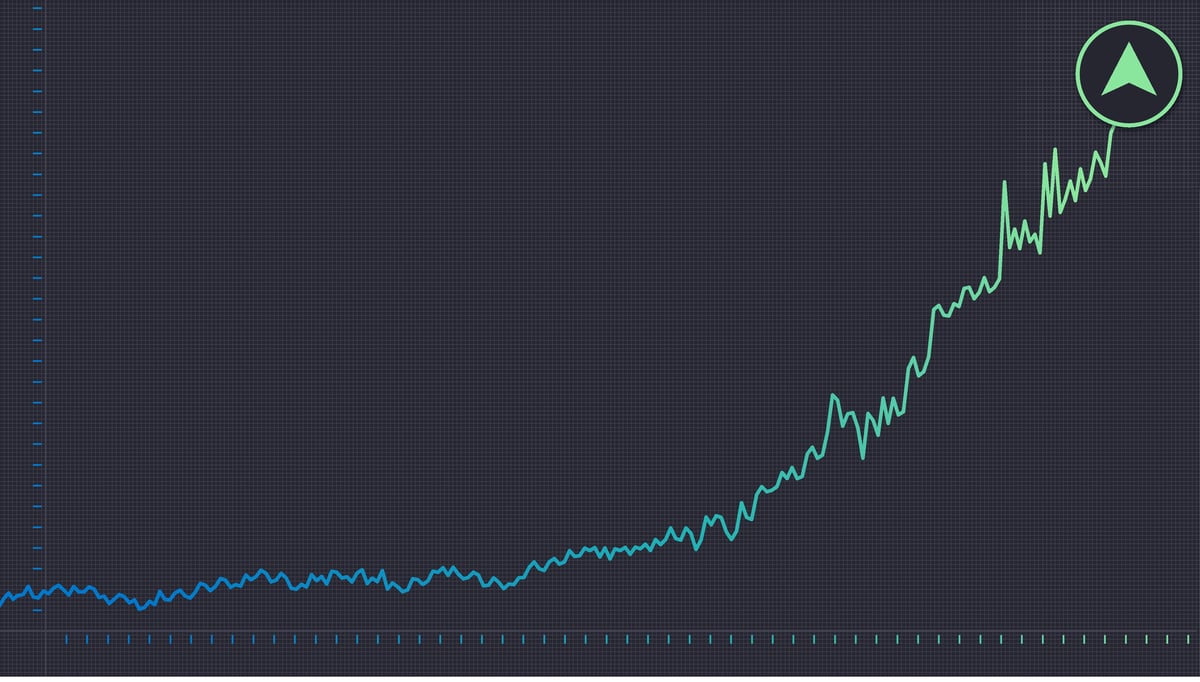
Oil prices have exhibited extreme volatility amidst the escalating crisis in the Strait of Hormuz. Brent crude futures recently surged past $100 per barrel, driven by fears of prolonged supply disruptions. Market analysts have noted that the volatility index for oil has reached its highest levels since the onset of the COVID-19 pandemic, reflecting heightened geopolitical risks and uncertainty over future supplies.
Analysts from UBS and other financial institutions have emphasized that any prolonged blockage in the Strait will exacerbate existing market tightness, further supporting elevated prices. The constrained flow of roughly 9 million barrels of oil from Iranian tankers past the blockade this week highlights the challenges of maintaining supply stability. If the situation persists, consumers and industries worldwide may face significant price shocks, with ripple effects extending to inflation and economic growth.
Diplomatic Stalemate and Global Implications
Efforts to resolve the seven-week-long standoff between the United States and Iran have stalled, with both sides failing to reach a consensus on lifting the naval blockade or reopening the Strait of Hormuz. U.S. President Donald Trump recently extended a ceasefire with Iran but maintained a naval blockade, citing concerns over Iranian-linked attacks on commercial shipping. This impasse has stymied peace talks and heightened the risk of further escalation.
The broader implications of the crisis are significant. Disruptions in the Strait of Hormuz not only threaten global energy security but also complicate international trade routes and economic stability. Key importers like China and India, which rely heavily on crude shipments through the Strait, face increased costs and logistical challenges. Additionally, the standoff underscores the fragility of energy supply chains and the urgency for diversified energy strategies to mitigate dependency on critical chokepoints like the Strait of Hormuz.
 Sources



About the author





- Ships Come Gunfire Near Strait Hormuz, UK Navy Says
 yahoo
yahoo - Oil Swings Elusive Peace Deal Outlook, Iran Gunboat Attacksyahoo
- Iran Menaces Hormuz Oil Tankers Test Blockadeyahoo
- Oil Rises Elusive Peace Deal Outlook, Iran Gunboat Attacksyahoo