

Trump Raises EU Auto Tariffs to 25%
Trump's Tariff Increase Announcement
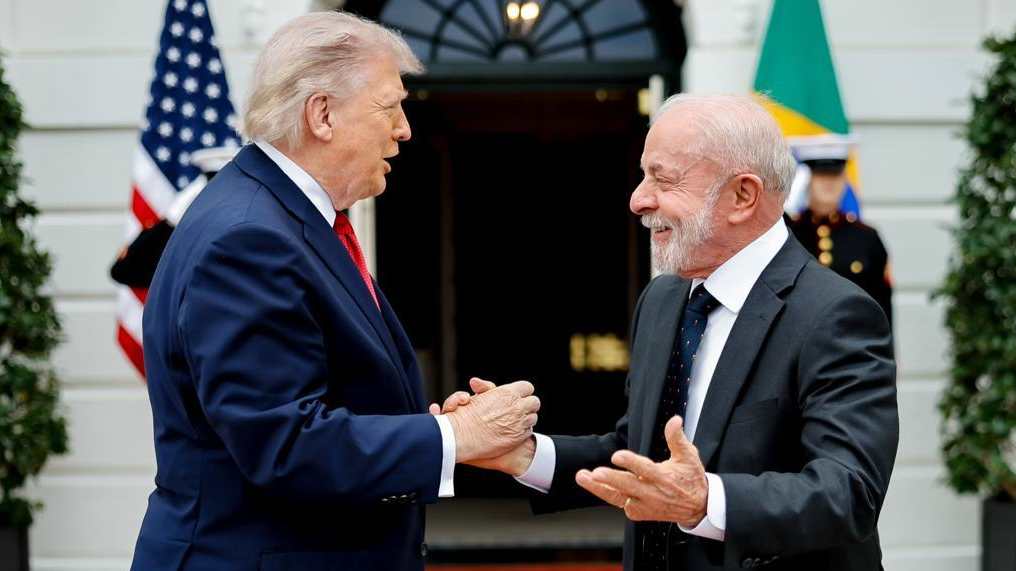
President Donald Trump announced a 25% increase in tariffs on European Union (EU) cars and trucks entering the U.S., citing the EU's failure to comply with the terms of the U.S.-EU trade agreement. Trump declared the decision via social media, stating the tariff increase would be implemented within the week. He emphasized that the tariff could be avoided if European automakers agreed to manufacture vehicles within the U.S., a move aimed at boosting domestic production. This action breaches the 15% tariff ceiling previously agreed upon in the U.S.-EU trade deal signed in July.
Trump's justification stems from alleged noncompliance by the EU, particularly regarding industrial goods and expanded tariffs on U.S. products. He highlighted the importance of reciprocal trade agreements, suggesting that the tariff increase is necessary to address what he perceives as a trade imbalance. The Supreme Court had previously struck down parts of Trump's tariff policies, but the administration has continued to push for adjustments under national security provisions and trade laws.
European Union's Reaction
European Union officials strongly criticized Trump's decision, calling it a significant strain on U.S.-EU trade relations. Bernd Lange, head of the European Parliament's trade committee, labeled the move "unacceptable" and accused the U.S. of being an unreliable trade partner. The EU claims it has adhered to key provisions of the trade agreement, despite U.S. allegations of noncompliance.
The EU had previously capped tariffs on exports to the U.S. at the agreed-upon 15% level, but the U.S. widened its own tariffs on EU steel and aluminum products to 50% in August, further complicating negotiations. The European Parliament has also delayed ratifying the trade deal, citing the U.S.'s inconsistent actions. Officials have suggested that retaliatory measures remain an option if the U.S. fails to honor its commitments under the agreement.
Economic and Legal Implications
The increased tariffs are expected to significantly impact European automakers like BMW, Mercedes, and Volkswagen, which rely on exports to the U.S. These companies may face higher costs, reduced sales, and potential shifts in production strategies to mitigate the impact. Volkswagen and Stellantis, in particular, saw a drop in stock prices following the tariff announcement, reflecting market concerns over profitability.
From a legal perspective, the tariff increase could invite further scrutiny following the Supreme Court's earlier ruling that invalidated parts of Trump's tariff agenda. The Court had determined that the International Emergency Economic Powers Act (IEEPA) did not authorize the President to impose certain tariffs. Legal experts suggest that the new tariffs may also face challenges, especially if they are perceived as inconsistent with existing trade laws or agreements. The recent launch of a government portal to process tariff refunds for earlier illegal tariffs highlights the ongoing complexities surrounding trade policy enforcement.
 Sources


About the author





- Trump says he's raising EU auto tariffs 25%
 cnbc
cnbc - EU Parliament Trade Chief Calls Trump Tariff Threat Unacceptable
 yahoo
yahoo - Trump ramps tariffs European cars imported
 fox
fox - Trump tariffs live updates: Trump hits EU 25% tariff imported cars trucksyahoo