

Spirit Airlines Faces Shutdown Amid Bailout Struggles
Failed Bailout Negotiations
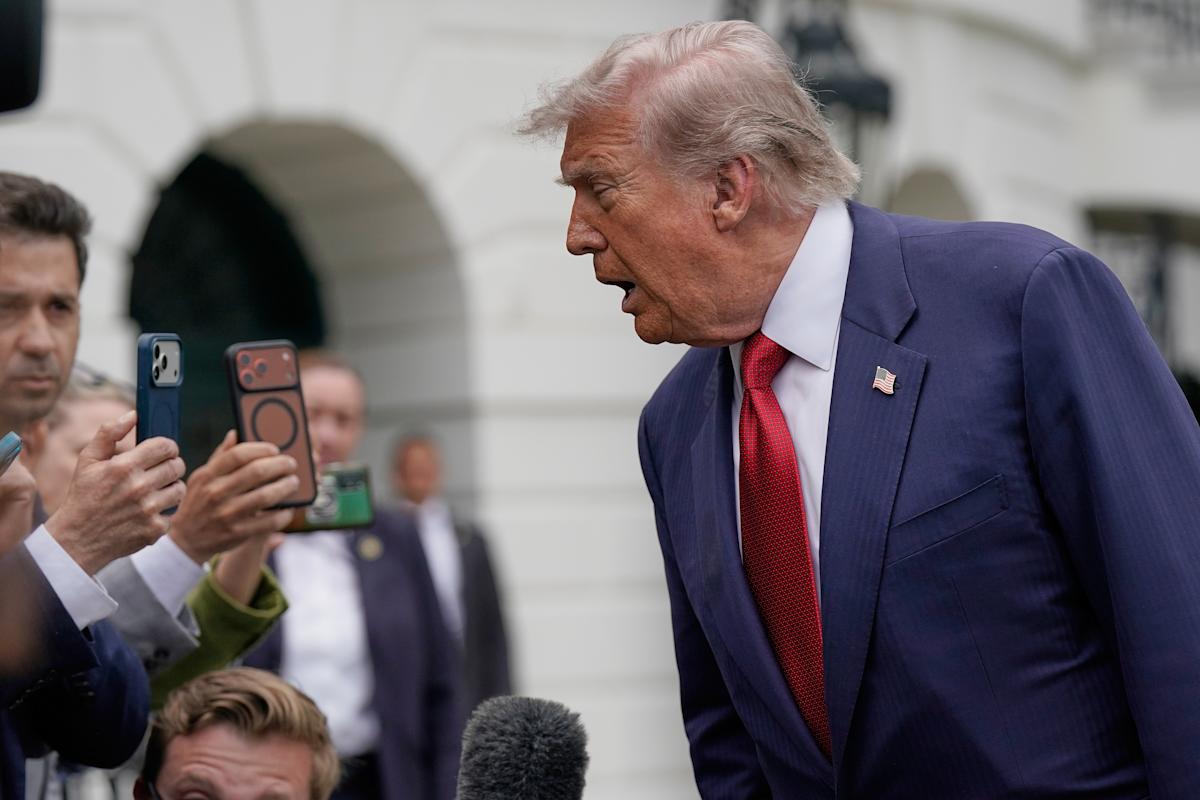
The U.S. government proposed a $500 million bailout to Spirit Airlines as part of an effort to prevent the budget carrier's shutdown. The deal included the federal government receiving a 90% equity stake in Spirit in exchange for the financial aid. However, negotiations between Spirit's bondholders and the administration failed to produce an agreement. Disagreements over the terms of the proposal, as well as resistance from certain stakeholders, were cited as key obstacles. Despite the urgency, Spirit's liquidity issues and operational challenges made it difficult for the parties to find common ground. President Donald Trump indicated that the administration had made its "final" offer, but no resolution was reached by the end of the week.
Impact of Rising Costs and Industry Challenges
Rising jet fuel prices have significantly strained Spirit Airlines' financial stability. The ongoing conflict in the Middle East has driven fuel costs to levels far beyond the airline's projections, with prices exceeding $4.50 per gallon compared to the $2.24 forecast for 2026. These cost increases compounded Spirit's financial troubles, which were already exacerbated by shifting consumer preferences and challenges related to an engine recall. Spirit previously filed for bankruptcy for the second time in the past year and had planned a recovery strategy. However, the unforeseen fuel price surge disrupted these plans, leaving the airline unable to sustain operations.
Industry Response and Future Implications
In response to Spirit's potential shutdown, major carriers like United Airlines, American Airlines, and JetBlue Airways have stepped in to mitigate disruptions. United has expressed readiness to assist passengers and employees affected by Spirit's closure, while American has implemented fare caps on Main Cabin tickets for Spirit's routes. JetBlue has also offered alternative travel options for impacted customers. The shutdown of Spirit Airlines, a pioneer in the ultra-low-cost carrier model, could lead to broader industry ramifications, including reduced competition and increased pricing pressure on budget-conscious travelers. As Spirit held a 3.9% domestic market share in February, its absence may significantly impact the U.S. aviation landscape.
 Sources

About the author




- Trump says government gave 'final' bailout proposal Spirit Airlines liquidation looms
 cnbc
cnbc - Spirit Airlines prepares shut failing reach lifeline bailout dealcnbc
- Trump gives Spirit final rescue proposal airline prepares possible shutdown
 yahoo
yahoo - Spirit Airlines prepares to shut down operations overnight, sources sayyahoo