

Oil Prices Surge Amid Iran Blockade Concerns
Oil Price Trends and Market Impact
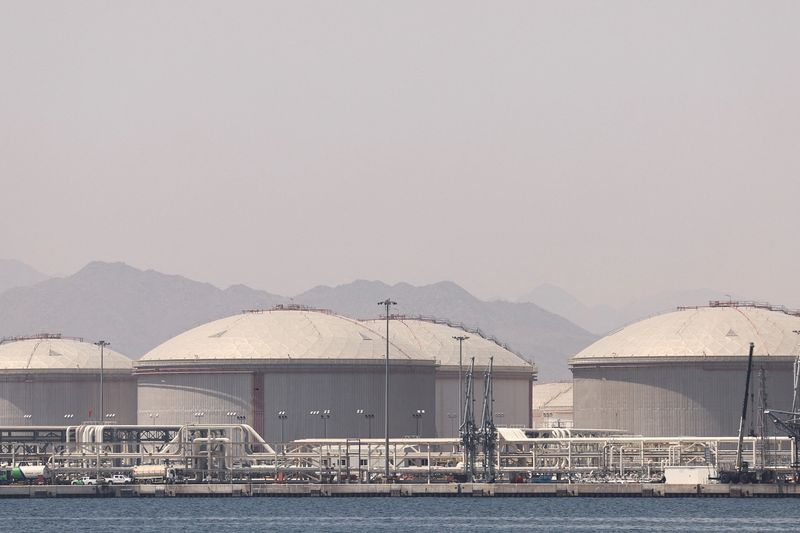
Brent crude and West Texas Intermediate (WTI) prices have demonstrated notable weekly gains amidst rising geopolitical tensions. Brent crude climbed to $111 per barrel, while WTI reached $106 per barrel, marking a 12% increase over the week. This surge reflects heightened concerns about global oil supply stability, driven by prolonged disruptions in critical shipping routes like the Strait of Hormuz.
Market volatility has been fueled by uncertainty surrounding future oil supplies, with sharp price fluctuations becoming a hallmark of trading in recent weeks. Analysts highlight that the flattening of futures curves signals traders' cautious sentiment as they grapple with unpredictable developments. The potential for further price swings remains high as geopolitical tensions show no signs of abating, keeping oil markets on edge.
Geopolitical Context and Iran’s Position
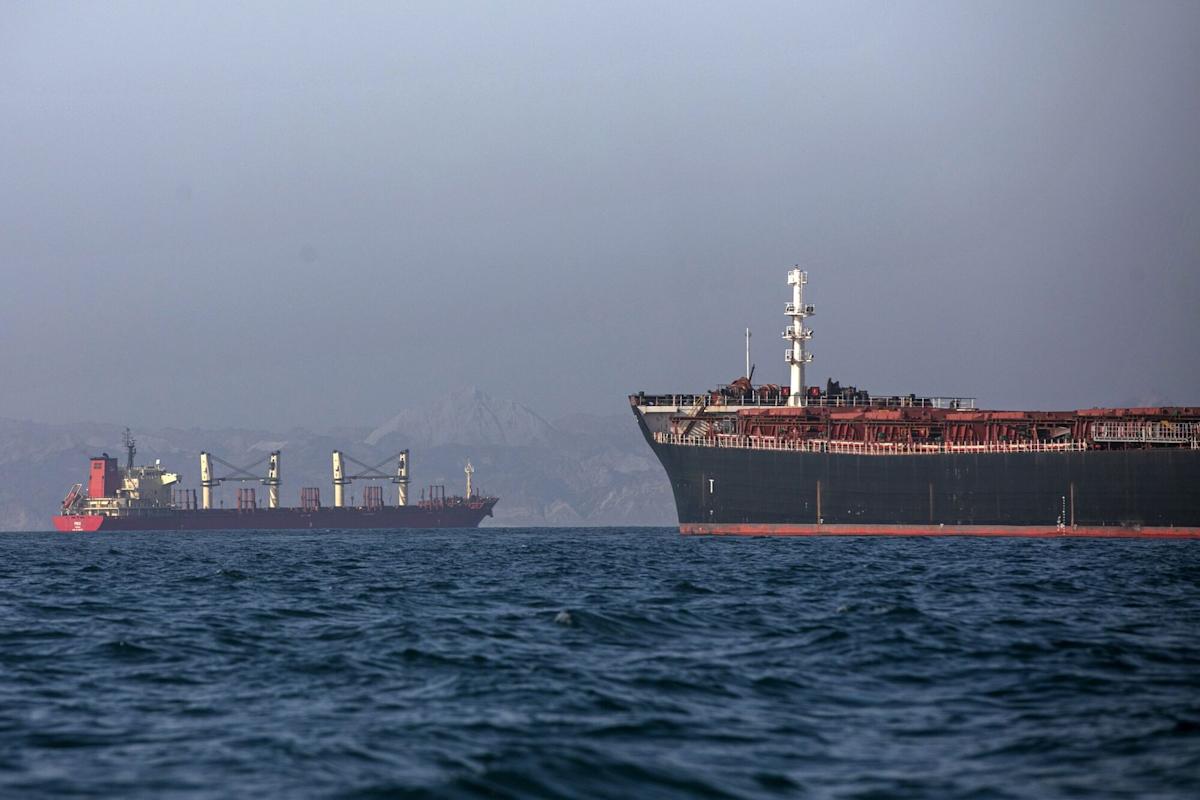
The U.S. naval blockade on Iranian ports has escalated tensions in the already volatile Strait of Hormuz, a vital chokepoint for global oil shipments. President Donald Trump has emphasized the effectiveness of the blockade in straining Iran's economy, calling it "incredible." The blockade has effectively shut down a significant portion of global oil and gas flows, causing widespread concern about prolonged disruptions.
Iran's supreme leader, Mojtaba Khamenei, has reaffirmed Tehran's commitment to maintaining control over the Strait of Hormuz and advancing its nuclear and missile capabilities. Iran has also rejected the possibility of reopening the strait for commercial vessels unless the blockade is lifted. This stance has deepened the geopolitical standoff, leaving little room for diplomatic resolution in the near term.
Potential Global Oil Shortages
Energy analysts warn that the world could face critical oil shortages by mid-year if the current disruptions persist. ConocoPhillips has highlighted that the initial grace period provided by existing crude shipments from the Persian Gulf is nearing its end. As these supplies are depleted, import-dependent nations may struggle to secure sufficient oil, potentially leading to widespread shortages by June or July.
Simultaneously, the gap between paper and physical oil prices is narrowing, reflecting a tangible tightening of supply in the market. Global buyers are increasingly turning to alternative sources, including U.S. crude exports, to fill the void left by Middle Eastern disruptions. However, these efforts may not fully compensate for the scale of the supply crunch, further intensifying concerns about an impending global energy crisis.
 Sources

About the author




- Oil Holds Weekly Gain Trump Says Iran Blockade Working
 yahoo
yahoo - Trump Says Iran Blockade ‘Incredible’ Pump Prices Risingyahoo
- Trump Says Iran Blockade ‘Incredible’ Pump Prices Risingyahoo
- Oil Holds Weekly Gain Trump Says Iran Blockade Workingyahoo