

Powell’s Last Fed Meeting Highlights Inflation Concerns
Powell’s Final FOMC Meeting
Jerome Powell's tenure as Chair of the Federal Reserve reaches its conclusion with his final Federal Open Market Committee (FOMC) meeting. Powell, who served during a period of economic turbulence marked by the COVID-19 pandemic and subsequent recovery, emphasized data-driven monetary policy. His leadership saw a mix of aggressive rate cuts during crises and a pivot to tightening as inflation surged post-pandemic.
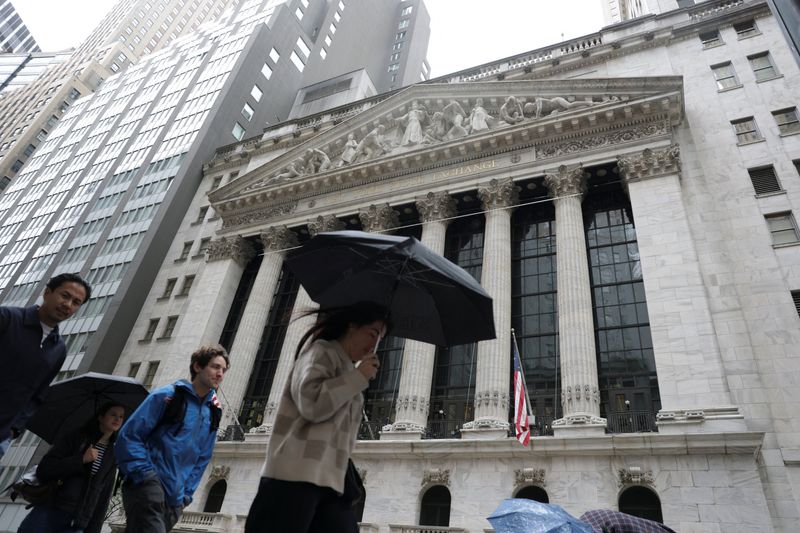
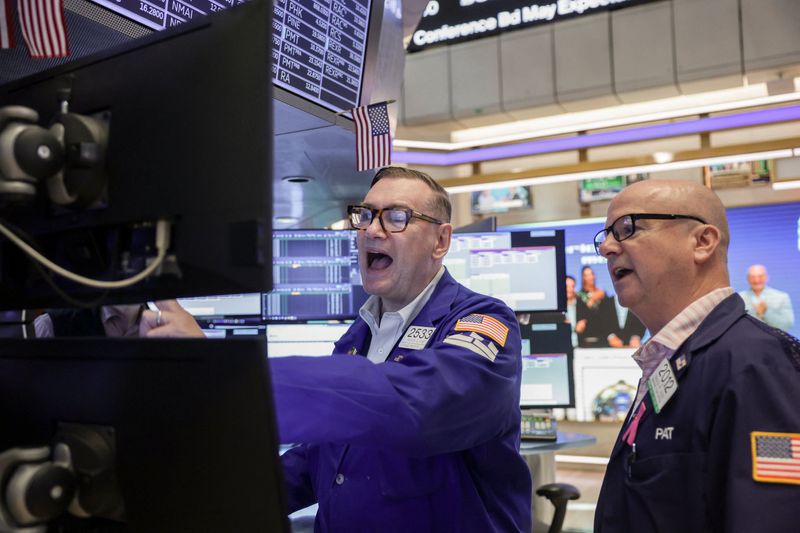
Markets have reacted cautiously to the leadership transition, with the Dow Jones, S&P 500, and Nasdaq Composite experiencing modest fluctuations. Investors remain wary of inflation, particularly as geopolitical tensions have recently pushed energy prices higher. Powell’s departure raises questions about the Fed's future policy direction, especially amidst persistent inflationary pressures.
Impact of Middle East Conflict on Inflation
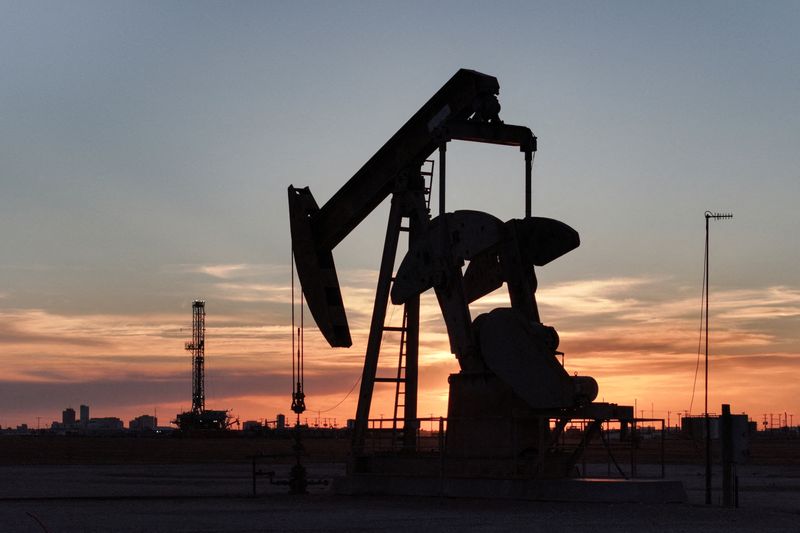
The ongoing conflict in the Middle East, particularly the closure of the Strait of Hormuz following escalations in Iran, has caused significant disruptions in global oil supply. This has led to a sharp rise in crude oil prices, with U.S. inflation data reflecting the impact. The March Consumer Price Index (CPI) reported a 21% surge in gasoline prices, pushing overall inflation to 3.3% year-over-year, up from 2.4% in February.
The Federal Reserve remains cautious, opting to hold interest rates steady despite mounting inflation. Policymakers are closely monitoring whether elevated energy costs will trigger broader price increases across goods and services. With inflation expectations becoming less anchored, the Fed faces a delicate balance between addressing immediate price pressures and avoiding premature rate hikes that could stifle economic growth.
Future Fed Policy and Leadership Transition
Kevin Warsh, nominated to succeed Powell, has outlined a vision focused on reducing the Fed's $6.7 trillion balance sheet. His strategy involves selling long-term Treasury bonds and mortgage-backed securities to shrink the Fed's holdings. While this approach aims to improve long-term inflation stability, it may lead to higher borrowing costs in the near term as bond yields rise.
The implications for financial markets could be significant. Higher yields may dampen equity valuations and increase corporate borrowing expenses, potentially slowing economic activity. Warsh’s emphasis on a leaner balance sheet marks a departure from Powell's accommodative policies, signaling a possible shift in the Fed's approach to managing inflation and fostering economic resilience.
 Sources


About the author




- Jerome Powell's FOMC Meeting Fed Chair Overshadowed Possible Narrative Shift
 fool
fool - Fed expected stand pat interest rates amid ongoing uncertainty Iran conflict
 yahoo
yahoo - Fed meeting today: Central bank 'firmly parked' interest rate pauseyahoo
- Fed live updates: Trump says 'I don't care' that Chair Powell is staying at the Fedyahoo