

Iran Conflict Sparks Market Volatility
Market Reactions to Escalating Iran Conflict
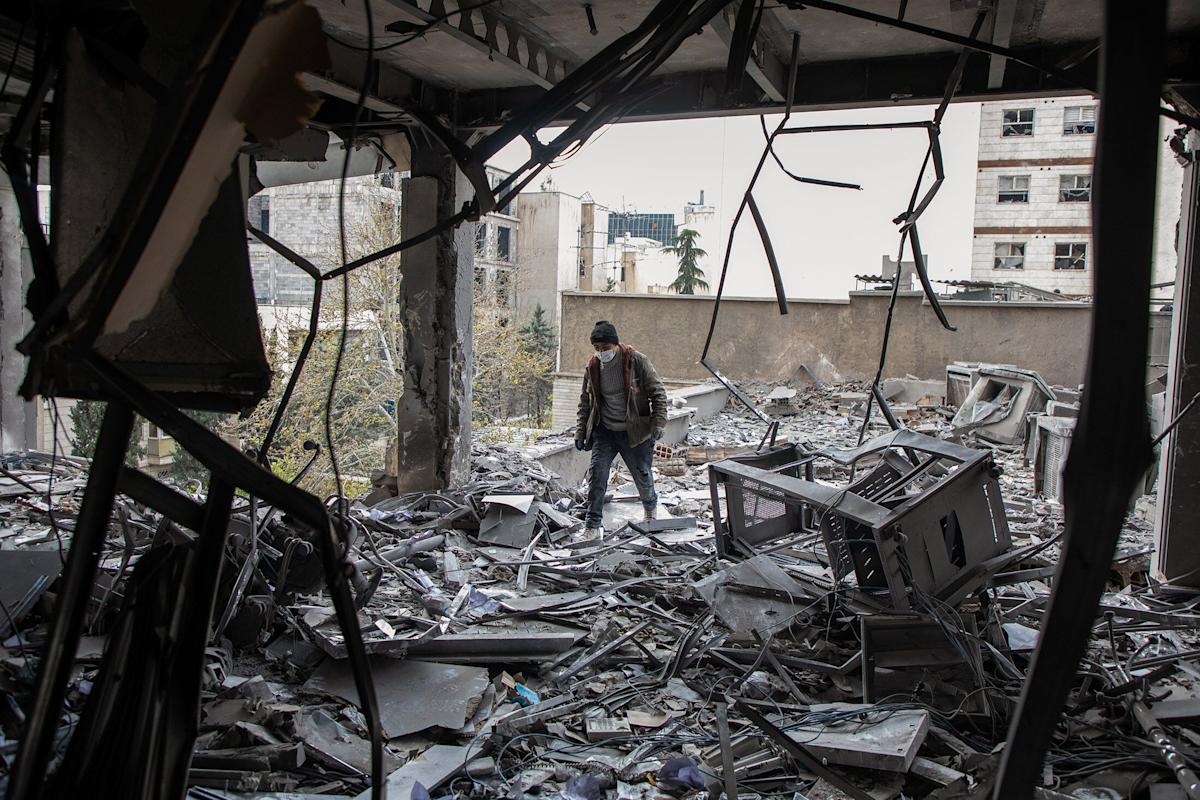
Global stock markets faced sharp declines as geopolitical tensions in the Middle East escalated due to the widening Iran conflict. Asian indices experienced notable downturns, with Japan's Nikkei 225 and South Korea’s KOSPI dropping 4.6% and 5.3%, respectively. European and U.S. equity futures followed suit, signaling extended losses. The S&P 500 saw its worst two-day drop of the year, down 3.6%, while the Nasdaq 100 entered correction territory with a 10% decline from its recent peak.
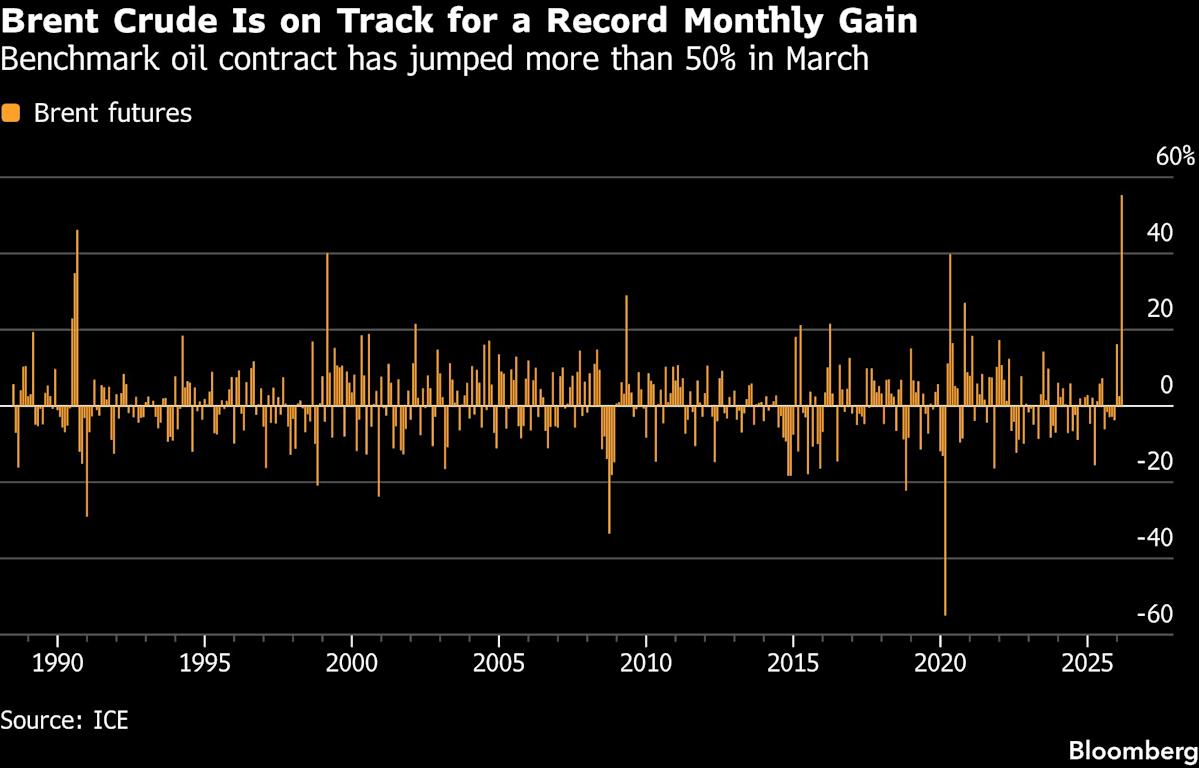
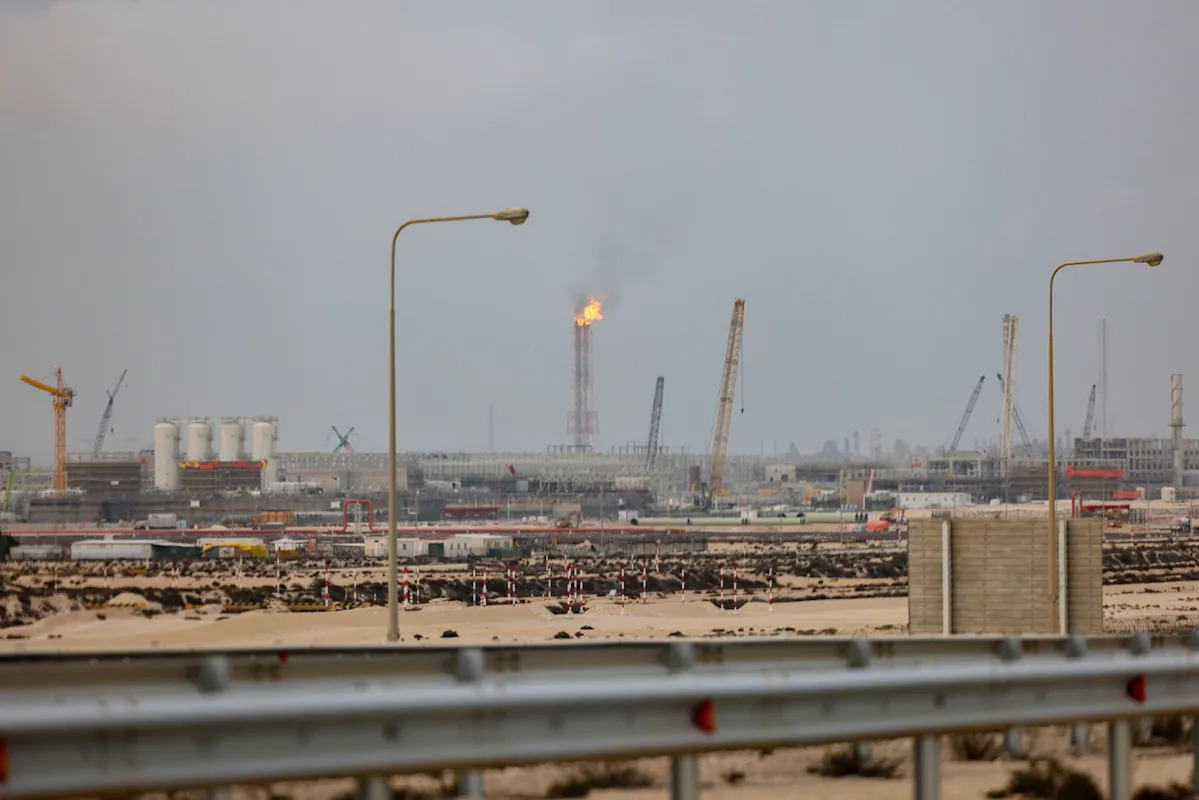
Meanwhile, Brent crude surged 3.3% to $116 per barrel, marking a 90% year-to-date increase. The risk of prolonged disruptions to the Strait of Hormuz, a vital chokepoint for global oil shipments, has driven significant price volatility. Rising energy costs stoked fears of inflationary pressures and potential economic stagnation, further weighing on investor sentiment.
Investor Concerns Amid Prolonged Uncertainty
The conflict’s expansion has heightened concerns over sustained high energy prices, which could exacerbate inflation and hinder global economic recovery. Analysts warn that if the Strait of Hormuz remains closed or partially disrupted, crude prices could reach $200 per barrel by mid-year. This scenario would heavily impact industries reliant on oil and related inputs, such as airlines, logistics, and manufacturing.
Monetary policy expectations have also shifted in response to inflation risks. Bond markets reflect growing caution, with U.S. Treasury yields rising as traders reassess the likelihood of rate cuts in the near term. Instead, the Federal Reserve and other central banks may maintain higher interest rates for longer, balancing inflation control with economic growth concerns.
Strategies for Navigating Volatile Markets
In periods of heightened market volatility, capital preservation becomes a priority for investors. Diversifying portfolios to include defensive sectors such as utilities, healthcare, and consumer staples can help mitigate downside risks. Additionally, safe-haven assets like U.S. Treasuries and gold often gain appeal as investors seek stability during geopolitical crises.
Opportunistic investors may also identify entry points in oversold equities, particularly in sectors positioned to benefit from rising energy prices, such as oil and gas producers. Maintaining a disciplined approach and avoiding panic-driven decisions is crucial, as historical precedents suggest that markets typically recover from geopolitical shocks over time.
 Sources

About the author



- Stock Selloff Builds Iran War Widens, Oil Gains: Markets Wrap
 yahoo
yahoo - Forget Tariffs: Iran War Biggest Threat Portfolio Right
 fool
fool - Stocks Drop, Oil Jumps Iran War Widening Fears: Markets Wrapyahoo
- Stocks Drop, Oil Fears Widening Iran War: Markets Wrapyahoo