

Middle East Strikes Surge Oil, Gas Prices
Escalating Strikes and Damage to Energy Facilities
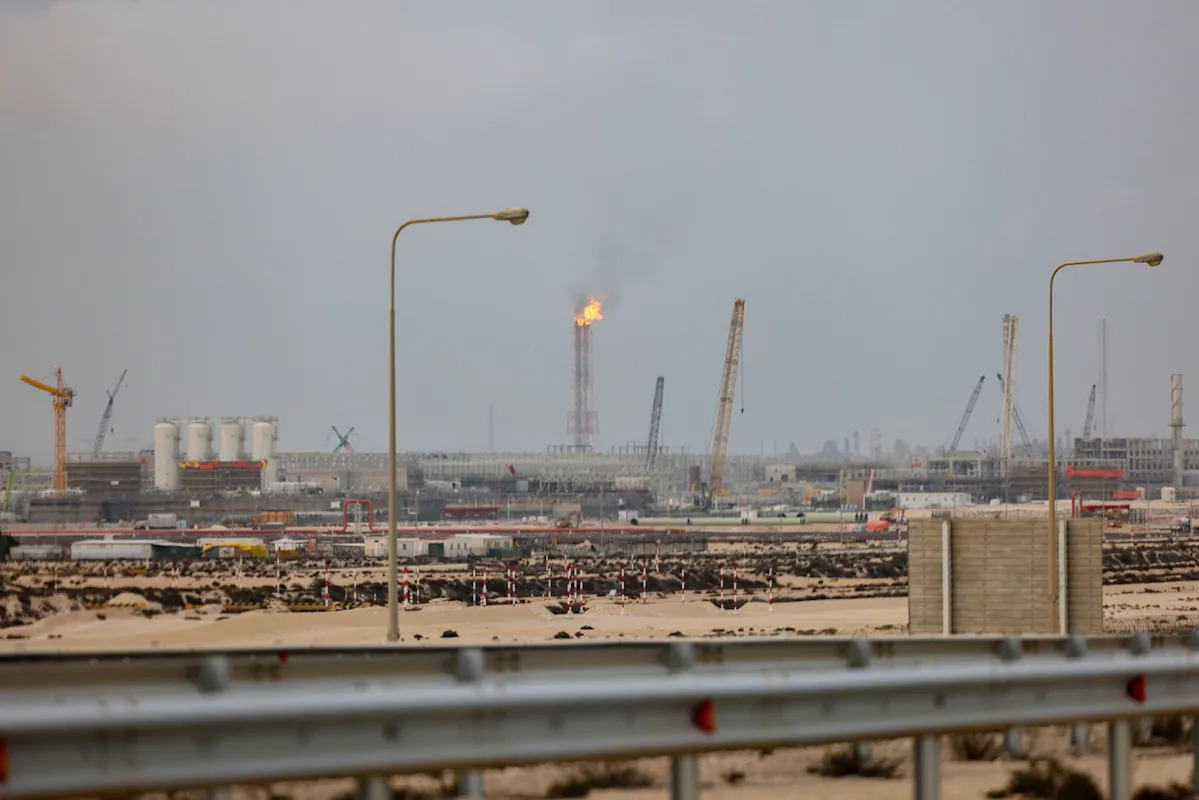
The conflict in the Middle East has intensified, with Iran launching significant strikes on energy infrastructure. Qatar’s Ras Laffan LNG hub, the world’s largest liquefied natural gas (LNG) facility, has suffered extensive damage from multiple missile strikes. The facility, critical for global LNG supply, is now offline, with industry experts warning that repairs could take months or even years. Meanwhile, Iran’s South Pars gas field, vital for the country’s domestic energy needs and shared with Qatar, was also heavily targeted by Israeli forces, further exacerbating tensions.
Other regional facilities have been affected as well. In Saudi Arabia, a drone strike on the Samref refinery near the Red Sea disrupted operations temporarily. Kuwait’s Mina Al-Ahmadi and Mina Abdullah refineries experienced fires caused by drone attacks, though the blazes were quickly extinguished. The UAE also reported damage to its Habshan gas facility from falling debris after intercepting missile strikes. These attacks have collectively raised concerns about the broader stability of the region’s energy infrastructure.
Global Energy Supply Disruption and Price Surge
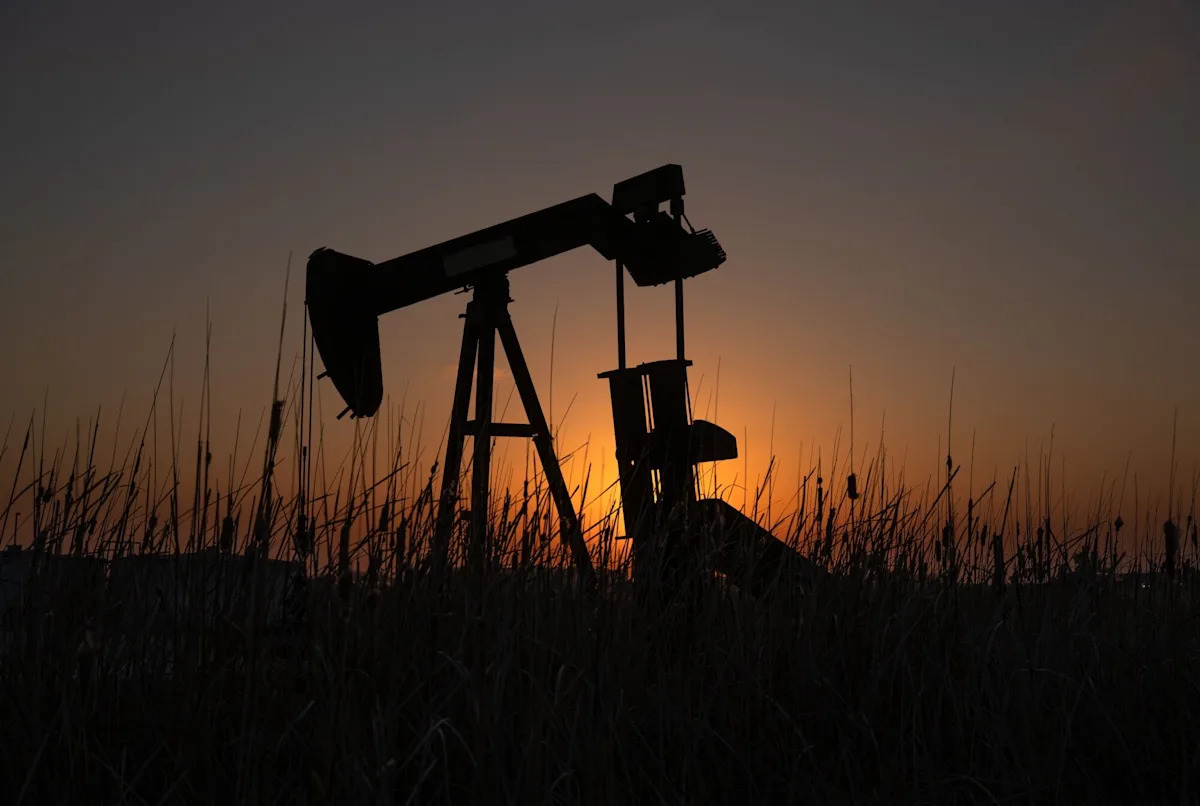
The escalating conflict has significantly disrupted global energy supply chains. Brent crude prices surged above $118 per barrel, marking an increase of over 60% since the conflict began. European natural gas futures have doubled, with Thursday alone seeing a 35% spike due to fears of prolonged supply shortages.
Asia and Europe, both heavily reliant on LNG imports, are already experiencing ripple effects. Qatar’s suspension of LNG production, which accounts for nearly 20% of global LNG supply, has left countries scrambling for alternatives. Japan, India, and other Asian nations are particularly vulnerable, with energy costs soaring amid reduced shipments. The closure of the Strait of Hormuz, through which a significant portion of global oil and LNG flows, has compounded the crisis, creating bottlenecks in supply chains that could take months to resolve.
Economic and Market Implications
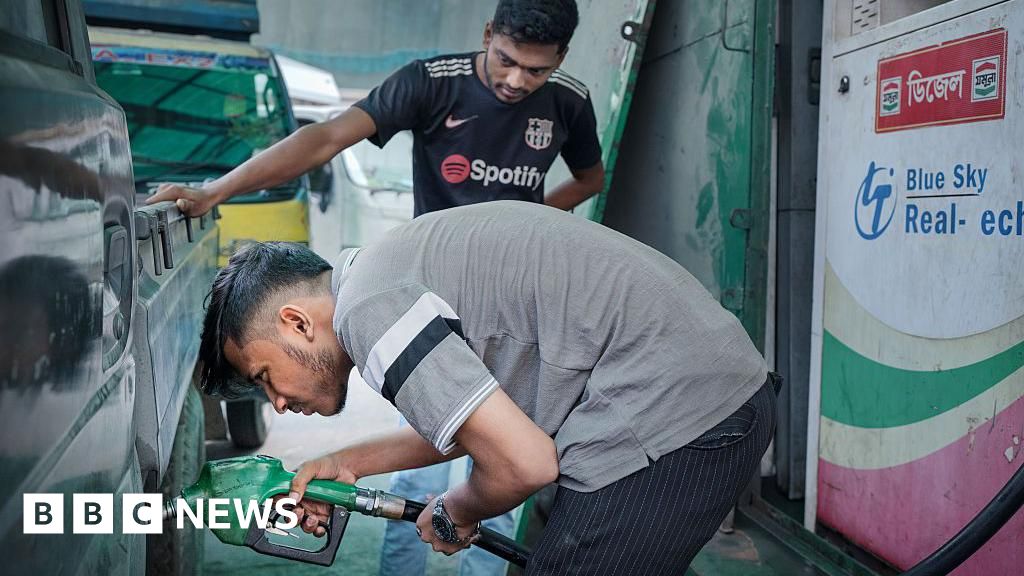
The surge in oil and gas prices is driving inflationary pressures globally, particularly in energy-intensive economies. European countries, already facing a challenging winter, are bracing for sustained high energy costs. Similarly, Asian economies reliant on Qatari LNG are reporting production slowdowns in manufacturing and agriculture due to rising energy expenses.
Long-term recovery remains uncertain. Analysts suggest that even if the conflict ends soon, repairing damaged infrastructure like Qatar’s Ras Laffan hub will take considerable time, keeping energy prices elevated. This situation is reshaping global energy markets, forcing importers to diversify supply sources and accelerating investments in renewable energy to mitigate future disruptions. The ongoing crisis underscores the fragility of global energy systems and their vulnerability to geopolitical shocks.
 Sources



About the author




- Oil Gas Prices Jump Strikes Gulf Facilities Escalate
 yahoo
yahoo - Oil natural gas prices jump strikes Middle East production facilities escalateyahoo
- Brent Oil Jumps Major Energy Assets Targeted Mideastyahoo
- Gas price soars 20% strikes Qatar hub
 bbc
bbc