

Oil Prices Surge Amid US-Iran Conflict
Impact of US-Iran Conflict on Oil Prices
Oil prices recently surged to four-year highs, with Brent crude reaching $119 per barrel and West Texas Intermediate (WTI) peaking at $95. This spike occurred following the escalation of conflict between the US and Iran, with tensions disrupting key oil transportation routes. The Strait of Hormuz, a vital chokepoint through which 20% of the world’s oil supply passes daily, has been effectively blocked due to the conflict. Data from Vortexa highlights that approximately 16 million barrels per day are stranded, significantly cutting global oil availability.
Though oil prices retreated from their peaks—Brent settled at $100 per barrel—the supply chain disruptions are expected to have lingering effects. Experts warn that prolonged disruptions in the Strait of Hormuz could push oil prices above $150 per barrel, exacerbating global inflationary pressures and slowing economic growth.
Middle East Production Cuts and Global Consequences
The conflict has prompted major Middle Eastern oil producers to scale back production to avoid oversupply in storage facilities. Iraq has reduced production by 60%, while Kuwait and Saudi Arabia have also begun shutting down significant capacity. With the Strait of Hormuz inaccessible, producers face logistical challenges in rerouting oil exports, further tightening global supply.
Economic impacts are already being felt. Analysts from Goldman Sachs estimate that a sustained rise in oil prices to $100 per barrel could slow global growth by 0.4 percentage points while increasing inflation by 0.7 percentage points. In scenarios where disruptions extend for months, prices could reach $140 to $150 per barrel, triggering a potential recession. The energy crisis is also straining sectors dependent on oil and gas, particularly in Asia and Europe, where energy import dependency is high.
US Response to Rising Oil Prices
In response to surging oil prices, the White House is considering releasing oil from the Strategic Petroleum Reserve and implementing export restrictions to stabilize domestic markets. Additionally, the administration may waive the Jones Act, which mandates the use of US-flagged ships for domestic shipments, to reduce transportation costs.
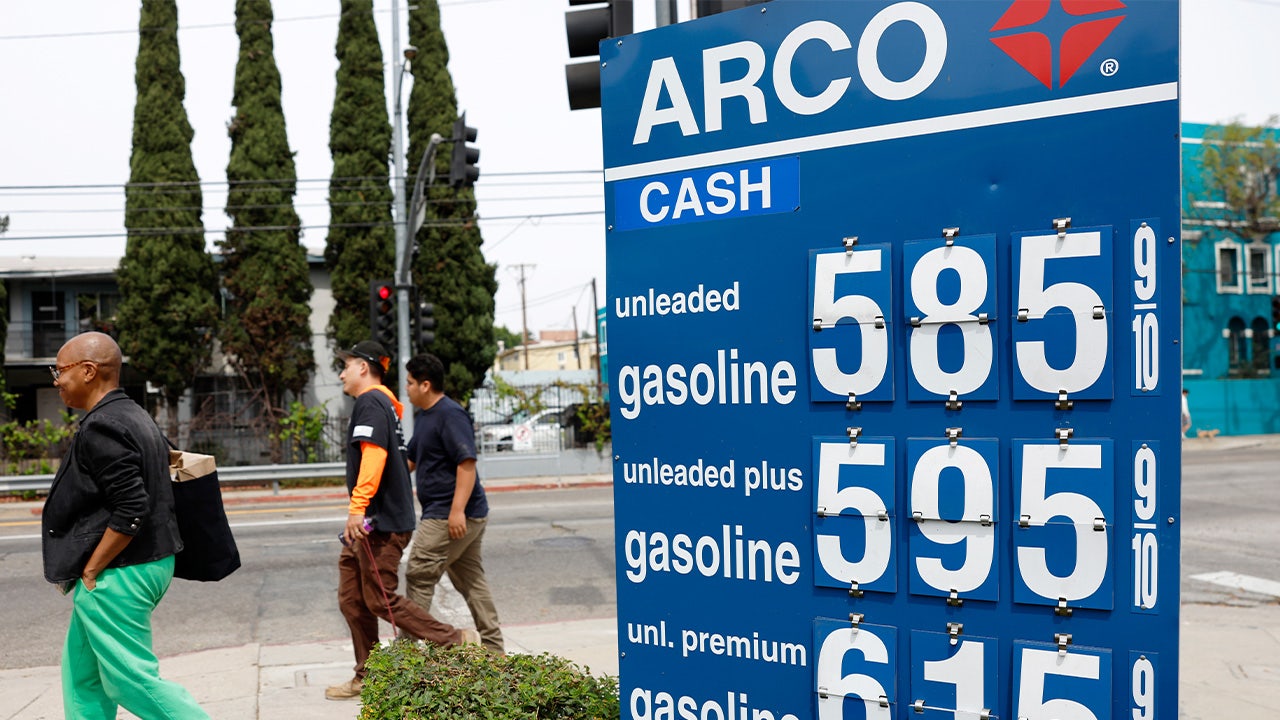
The national average gas price has risen sharply, reaching $3.478 per gallon, up 16% from the previous week. These increases are straining American households and raising concerns about broader economic impacts, including higher costs for transportation and goods. As midterm elections approach, rising fuel prices are becoming a significant political issue, putting additional pressure on policymakers to address the situation effectively.
 Sources



About the author







- Oil falls 15% soaring 4-year highs reports White House weighs options ease price run-up
 yahoo
yahoo - Tracking gas oil prices war Iran escalatesyahoo
- Oil Prices Four-Year High—and Experts Warn Possible Recession
 investopedia
 - Oil prices fall 25% soaring 4-year highs Trump says war 'very complete'yahoo