

Gas Prices Surge Amid Iran Conflict
Rising Gas Prices and Global Supply Disruption
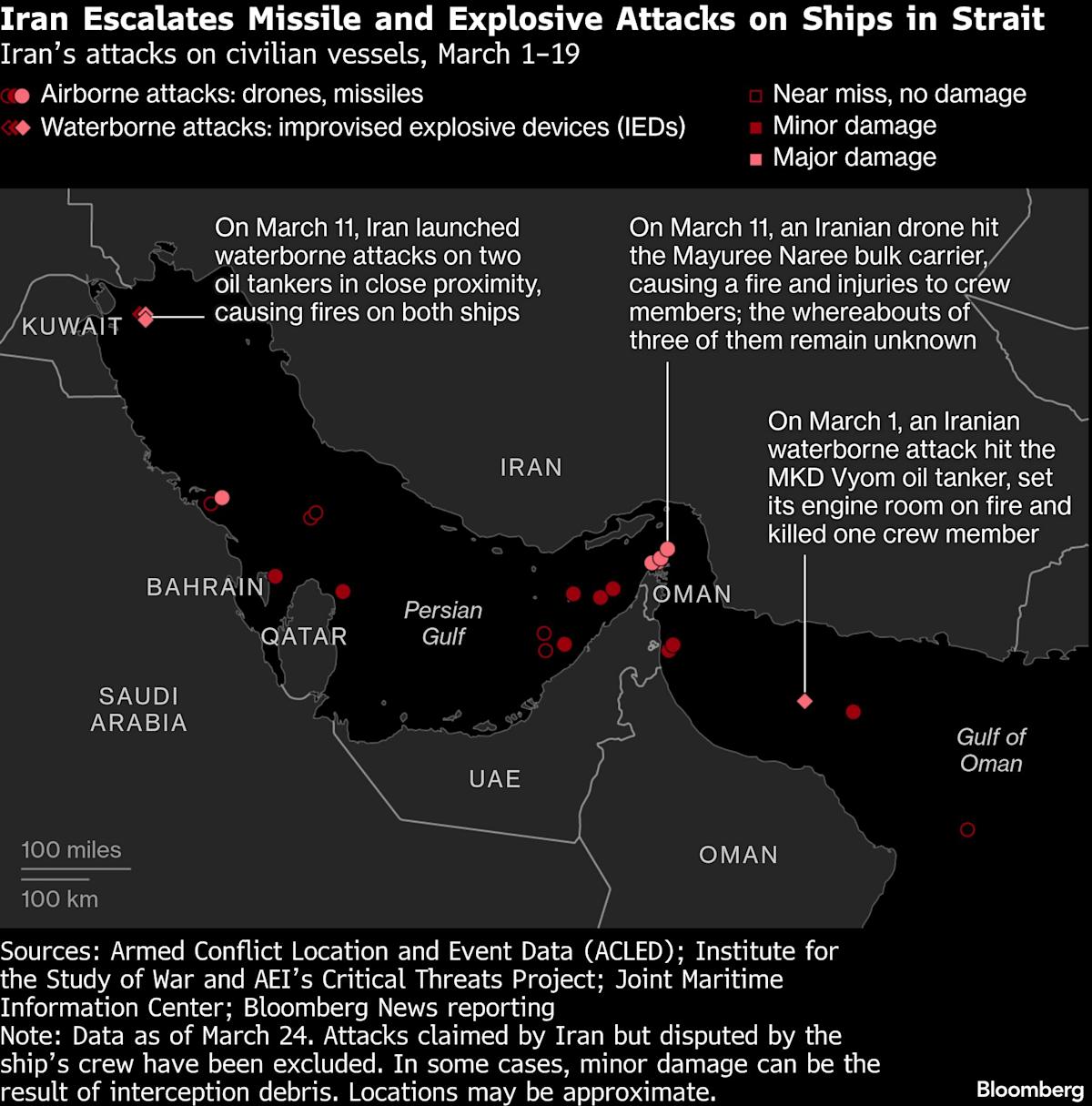
Gasoline prices have surged past $4 per gallon nationwide, marking the highest levels since August 2022, according to AAA data. This increase comes as geopolitical tensions escalate due to the closure of the Strait of Hormuz, a vital chokepoint for global energy supplies. The conflict in the Middle East, particularly between the U.S., Israel, and Iran, has significantly disrupted crude oil transportation and production in the region, leading to tighter global energy markets.
Crude oil prices have soared in response, with Brent crude trading at approximately $107.80 per barrel and West Texas Intermediate (WTI) at $102 per barrel. These increases have directly impacted refined product prices, with diesel also climbing to $5.45 per gallon. The disruption of supply chains, coupled with seasonal demand for gasoline during spring, has compounded the upward pressure on fuel costs.
Economic and Political Implications
The sharp rise in gasoline prices has introduced significant inflationary pressures, complicating the Federal Reserve's efforts to balance price stability with economic growth. Chair Jerome Powell and policymakers are now grappling with how to address rising energy costs while maintaining employment levels and controlling broader inflation.
For President Trump, the surge in fuel prices poses a critical political challenge as midterm elections approach. Historically, higher energy prices have been a key driver of reduced consumer confidence, which could translate into diminished public support. Research from the University of Michigan indicates that a $1 increase in gasoline prices can lower consumer sentiment by 4.5 points, reflecting heightened economic pessimism.
Government Measures and Limited Relief
The Trump administration has implemented several emergency measures to mitigate the impact of soaring energy prices. These include waivers on ethanol blending regulations to increase gasoline supply and a temporary 60-day suspension of the Jones Act, allowing foreign-flagged vessels to transport fuel between U.S. ports. However, these actions have provided only limited relief at the pump.
Analysts warn that gasoline and diesel prices are likely to climb further if the conflict persists. Goldman Sachs has raised its Brent crude forecast to $115 per barrel, citing prolonged disruptions in the Strait of Hormuz. Some projections suggest prices could exceed $200 per barrel in a worst-case scenario, particularly if the conflict extends into the summer driving season. As energy markets remain volatile, consumers and policymakers alike face growing uncertainty over future fuel costs.
 Sources

About the author






- Gasoline Tops $4 Time 2022 Iran War
 yahoo
yahoo - gas prices $4 gallon time 2022 Iran war dragsyahoo
- gas tops $4 gallon Iran conflict drives sharp rise fuel costs
 fox
fox - gas price tops $4 time 2022
 bbc
bbc