

Oil Prices Fall Amid Hormuz Reopening and Ceasefire
Oil Prices React to Hormuz Reopening
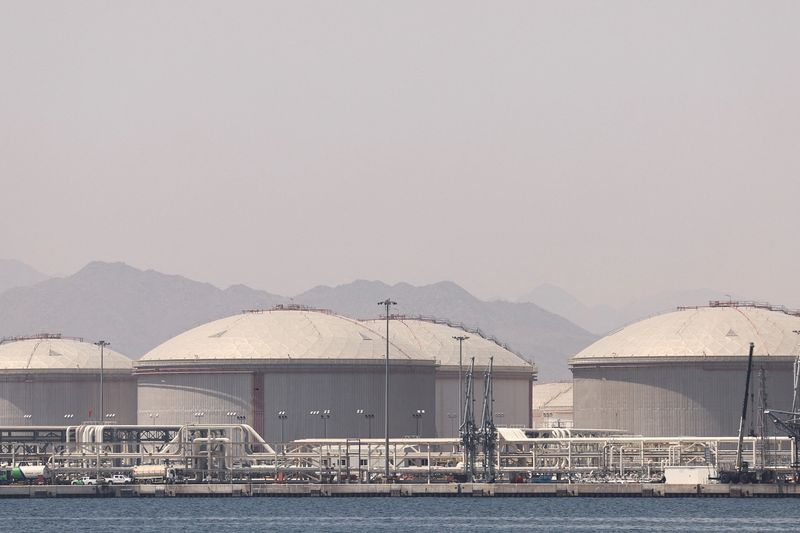
Iran's announcement that the Strait of Hormuz is "completely open" for commercial traffic during the ongoing 10-day ceasefire between Israel and Lebanon has led to a significant drop in global oil prices. Brent crude, the international benchmark, fell 11% to trade at $89 per barrel, while West Texas Intermediate (WTI) crude dropped 11.1% to $81 per barrel. These declines reflect market optimism about a potential easing of tensions in the region and the stabilization of global energy flows.
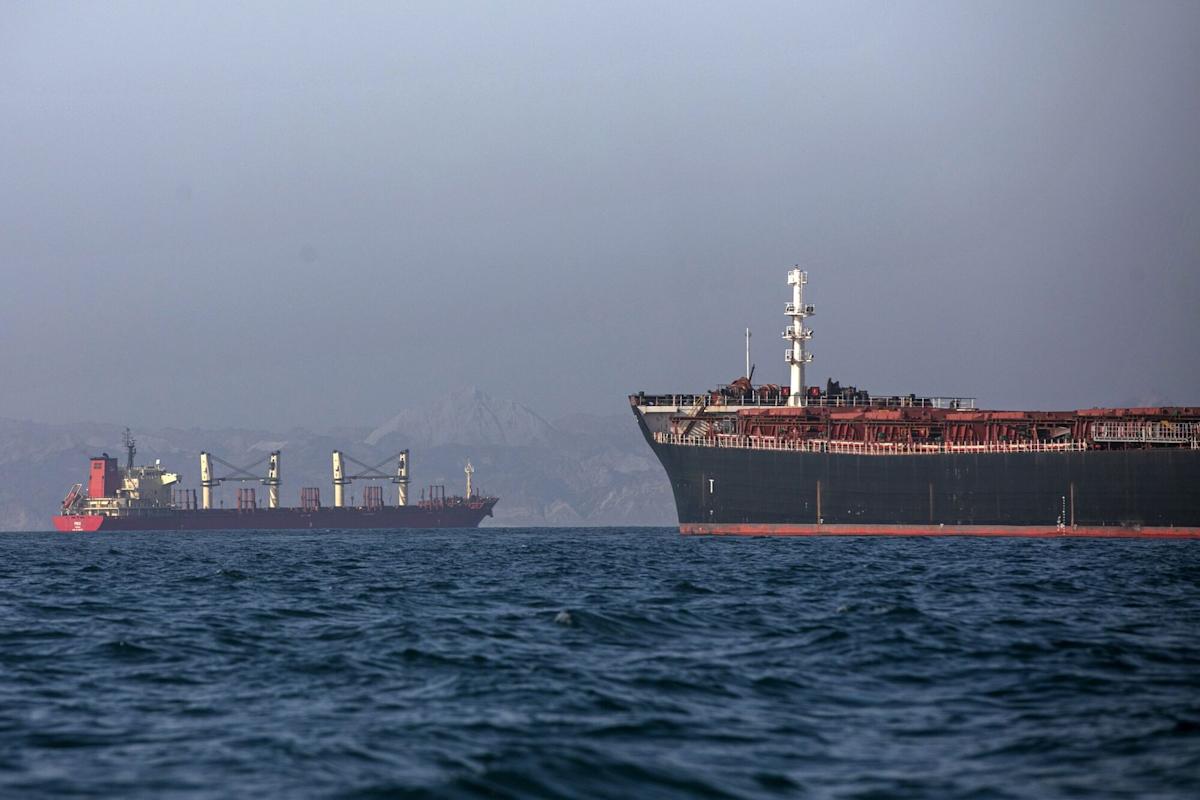
The Strait of Hormuz, a critical chokepoint through which around 20% of the world's oil supply passes, has been a focal point of concern since the conflict intensified earlier this year. Iran's foreign minister, Abbas Araghchi, confirmed via a social media post that ships are allowed to use designated routes during the ceasefire period, calming immediate fears of further supply disruptions. However, analysts caution that the situation remains fluid, with potential risks if the ceasefire or shipping agreements falter.
Geopolitical Developments and US-Iran Deal
President Trump has claimed that Iran has agreed to indefinitely suspend its nuclear program, a major development that could influence the broader geopolitical landscape. In a statement, Trump suggested that "most main points" of a deal to end hostilities have been finalized. This includes discussions around the release of $20 billion in frozen Iranian funds in exchange for Tehran surrendering its enriched uranium stockpile.
While the potential deal could signal progress in reducing tensions, details remain unclear, and Iran has yet to officially confirm the suspension of its nuclear activities. Analysts note that such an agreement would mark a significant shift in US-Iran relations, though it may face political scrutiny domestically, particularly from critics who oppose any concessions to Tehran.
Global Market Implications and Uncertainties
The reopening of the Strait of Hormuz and reports of progress in US-Iran negotiations have raised hopes for a reduction in global energy market disruptions. Brent and WTI crude prices, which had spiked following the escalation of conflict, have now retreated to pre-crisis levels. European natural gas prices also dropped by 10%, reflecting improved market sentiment.
Despite these positive developments, uncertainties remain. Questions about the durability of the ceasefire, potential sanctions relief for Iran, and the resolution of shipping route disputes continue to weigh on market confidence. Shipowners remain cautious about navigating the strait, with reports suggesting that Iran may still require vessels to coordinate routes with its Revolutionary Guard Corps.
The broader geopolitical stability of the region also hangs in the balance, as the ceasefire is temporary and key issues, such as Iran's nuclear program and its role in regional conflicts, remain unresolved. Market observers are closely monitoring the situation for further developments that could impact global energy supplies and economic stability.
 Sources


About the author






- Oil prices plunge Iran foreign minister says Strait Hormuz 'completely open,' Trump claims blockade
 yahoo
yahoo - Oil prices plunge Iran says Strait Hormuz 'completely open,' Trump says regime agreed indefinitely syahoo
- Oil Gas Plunge Hormuz Opening, Hope End Waryahoo
- Oil prices plunge Iran foreign minister says Strait Hormuz 'completely open,' Trump says regime agreyahoo