Analysis of McCormick and Unilever Merger Impact
Written by Emily J. Thompson, Senior Investment Analyst
Updated: 5 hours ago
0mins
Source: seekingalpha
- Significant Merger Risks: The merger between McCormick (MKC) and Unilever (UL) aims to create a global food giant, yet the market's reaction has erased billions in market value, indicating investor concerns particularly regarding execution and legal complexities.
- Synergy Target: Analysts highlight a synergy target exceeding $600 million, which, if achieved, could enhance competitiveness in the sauces and spices market; however, historical precedents show that similar mergers often destroy value due to poor execution.
- Shareholder Control Shift: Unilever shareholders will control the majority of the new company, while McCormick shareholders lose significant control, prompting many investors to sell their shares, reflecting unease about the future strategic direction.
- Competitive Pressure: This merger may compel competitors like Nestlé (NSRGY) and Kraft Heinz (KHC) to adopt more aggressive market strategies to address shifting consumer demands for healthier products, thereby impacting the dynamics of the entire consumer goods sector.
Trade with 70% Backtested Accuracy
Stop guessing "Should I Buy UL?" and start using high-conviction signals backed by rigorous historical data.
Sign up today to access powerful investing tools and make smarter, data-driven decisions.
Analyst Views on UL
Wall Street analysts forecast UL stock price to rise
3 Analyst Rating
2 Buy
1 Hold
0 Sell
Moderate Buy
Current: 56.060

Low
60.10
Averages
68.37
High
74.00
Current: 56.060
Low
60.10
Averages
68.37
High
74.00
About UL
Unilever PLC is a United Kingdom-based global consumer goods business. The Company's segments include Beauty & Wellbeing, Personal Care, Home Care and Foods. The Beauty & Wellbeing segment primarily sells hair care (shampoo, conditioner, styling), skin care (face, hand and body moisturizers) and includes Prestige Beauty and Wellbeing. The Personal Care segment primarily sells skin cleansing (soap, shower), deodorant and oral care (toothpaste, toothbrush, mouthwash) products. The Home Care segment primarily sells fabric care (washing powders and liquids, rinse conditioners) and a range of home and hygiene cleaning products. The Foods segment primarily sells cooking aids and mini-meals (soups, bouillons, seasonings), condiments (mayonnaise, ketchup) and Unilever Food Solutions. The Company's beauty & wellbeing brands include CLEAR, Dermalogica, Liquid I.V., Dove and TRESemme. The Company's home care brands include Cif, Comfort, Domestos, OMO, Radiant, Sunlight and Surf.
About the author

Emily J. Thompson
Emily J. Thompson, a Chartered Financial Analyst (CFA) with 12 years in investment research, graduated with honors from the Wharton School. Specializing in industrial and technology stocks, she provides in-depth analysis for Intellectia’s earnings and market brief reports.
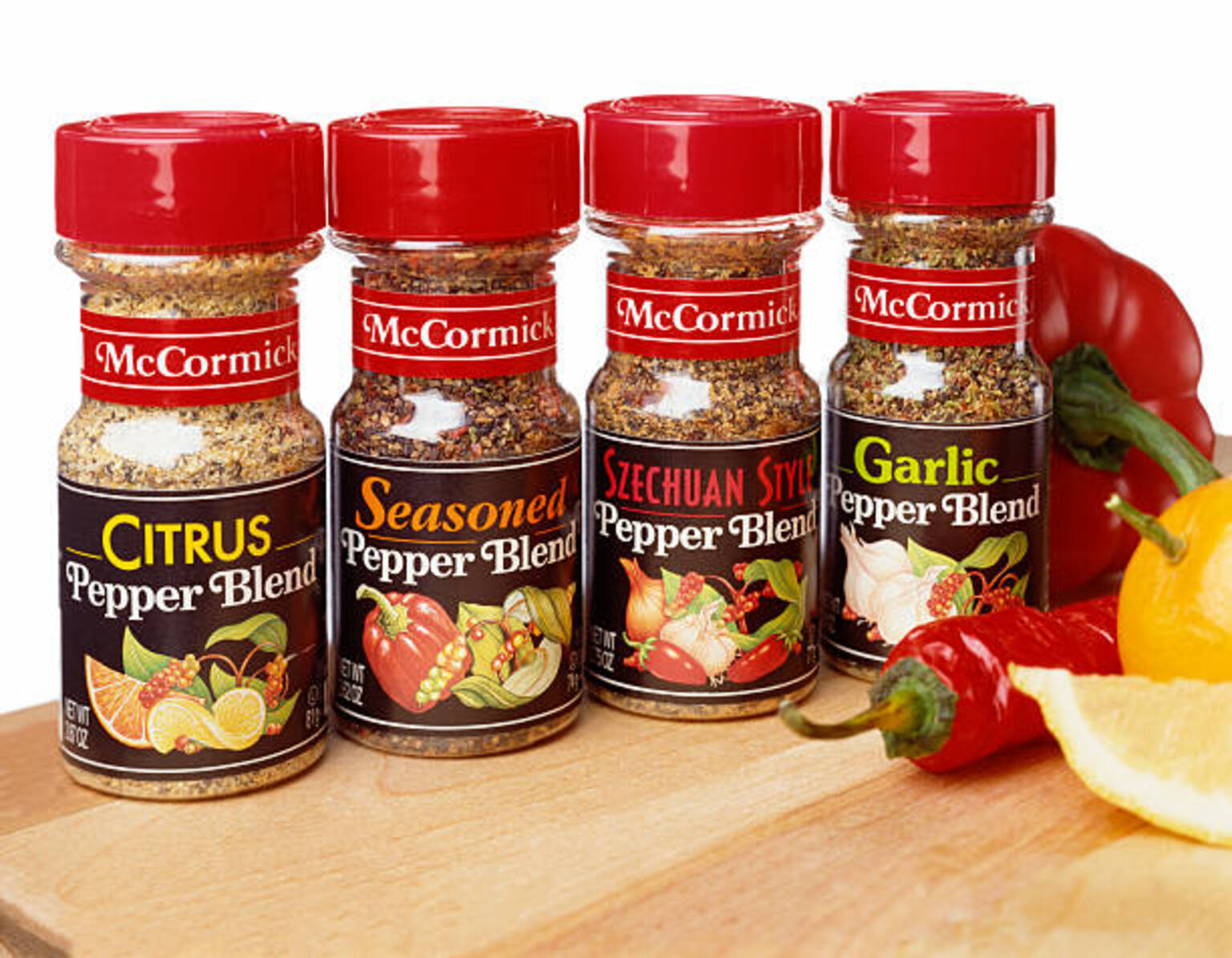
Analysis of McCormick and Unilever Merger Impact
- Significant Merger Risks: The merger between McCormick (MKC) and Unilever (UL) aims to create a global food giant, yet the market's reaction has erased billions in market value, indicating investor concerns particularly regarding execution and legal complexities.
- Synergy Target: Analysts highlight a synergy target exceeding $600 million, which, if achieved, could enhance competitiveness in the sauces and spices market; however, historical precedents show that similar mergers often destroy value due to poor execution.
- Shareholder Control Shift: Unilever shareholders will control the majority of the new company, while McCormick shareholders lose significant control, prompting many investors to sell their shares, reflecting unease about the future strategic direction.
- Competitive Pressure: This merger may compel competitors like Nestlé (NSRGY) and Kraft Heinz (KHC) to adopt more aggressive market strategies to address shifting consumer demands for healthier products, thereby impacting the dynamics of the entire consumer goods sector.
See More
McCormick Merges with Unilever Foods to Enhance Market Dominance
- Merger Background: McCormick is merging with Unilever Foods, with McCormick shareholders owning 35% and Unilever shareholders also holding 35%, which will further enhance McCormick's dominance in the spices and condiments market.
- Financial Valuation: Unilever Foods is valued at an enterprise value of $44.8 billion, with an adjusted EBITDA multiple of 13.8 times, while McCormick's enterprise value stands at $21 billion, highlighting their relative market positions.
- Cost Reduction Goals: The merger is expected to cut approximately $600 million in annual costs and achieve an operating margin of 23%-25% in year three, up from the current 21%, indicating potential financial benefits from the merger.
- Cultural Integration Challenges: Despite the strategic rationale for the merger, cultural clashes and integration challenges may impact the business, particularly during cost-cutting efforts, which could harm certain business segments.
See More

McCormick Merges with Unilever Foods to Expand Market Dominance
- Merger Background: McCormick is merging with Unilever's food division, with McCormick shareholders owning 35% of the new entity, aiming to enhance its dominance in the spices and condiments market, although the market reacted negatively with a 6.1% drop in stock price.
- Financial Valuation: Unilever Foods is valued at an enterprise value of $44.8 billion, with an adjusted EBITDA multiple of 13.8 times, while McCormick's enterprise value stands at $21 billion, indicating a disparity in market valuation between the two companies.
- Cost Reduction Goals: The merger is expected to achieve approximately $600 million in annual cost savings, targeting an operating margin of 23%-25% in year three, up from the current 21%, suggesting significant financial benefits from the merger.
- Strategic Implications: This merger will eliminate Unilever as a competitor and further solidify McCormick's leadership in the global seasoning market through economies of scale and cross-selling opportunities.
See More
McCormick to Merge with Unilever's Food Business in $45 Billion Deal
- Merger Scale: McCormick's agreement to merge with Unilever's food business involves a nearly $45 billion deal, where Unilever will receive 65% of McCormick's shares and $15.7 billion in cash, significantly enhancing McCormick's market value.
- Global Strategy: This merger will integrate McCormick's global spice portfolio with Unilever's food brands, with the combined company expected to exceed $20 billion in annual sales, further solidifying its position in the global food market.
- Cost Savings Expectations: McCormick anticipates achieving $600 million in cost savings within three years post-merger, while also aiming to increase its sales growth rate to 3%-5% annually, enhancing profitability and supporting ongoing dividend growth.
- Risks and Challenges: Despite the advantages of scale and diversification, McCormick is acquiring a company more than twice its size, leading to an initial leverage ratio of 4.0 times, which may limit financial flexibility and necessitate a reduction to below 3.0 times within two years.
See More

McCormick Acquires Unilever's Food Business
- Acquisition Confirmation: McCormick has confirmed the acquisition of Unilever's food business, which is expected to enhance its leadership position in the spice market and drive future revenue growth.
- Financial Performance Boost: Following the acquisition, McCormick reported strong earnings growth, indicating the effectiveness of its strategic acquisition and promising substantial returns for shareholders.
- Business Restructuring Progress: Unilever is reviewing its food business portfolio, demonstrating its commitment to optimizing resource allocation and enhancing market competitiveness, which may impact its future market performance.
- Market Outlook Analysis: Analysts maintain an optimistic outlook for McCormick, anticipating further expansion of its market share in the spice industry, particularly post-acquisition, which could attract more consumer attention to its products.
See More
Unilever and McCormick Near Historic Merger Deal

- Massive Deal Size: Unilever's merger with McCormick is poised to become one of the largest transactions in consumer staples history, with Unilever set to receive nearly $16 billion in cash and a 65% stake in the combined entity, which is expected to be valued over $46 billion post-merger.
- Clear Strategic Significance: This merger represents a significant strategic move for Unilever in the food sector, indicating its confidence in market consolidation after previous talks with Kraft Heinz fell through, positioning McCormick as a backup bidder.
- Positive Market Reaction: McCormick's stock surged 5.29%, reflecting investor optimism about the merger's prospects, while Unilever's shares rose 6.43%, indicating market approval of the deal.
- Industry Consolidation Trend: This merger further accelerates the trend of consolidation in the consumer goods sector, with analysts suggesting that it will create synergies for both companies, enhancing competitive strength and expanding market share.
See More
Analysis of McCormick and Unilever Merger Impact
- Significant Merger Risks: The merger between McCormick (MKC) and Unilever (UL) aims to create a global food giant, yet the market's reaction has erased billions in market value, indicating investor concerns particularly regarding execution and legal complexities.
- Synergy Target: Analysts highlight a synergy target exceeding $600 million, which, if achieved, could enhance competitiveness in the sauces and spices market; however, historical precedents show that similar mergers often destroy value due to poor execution.
- Shareholder Control Shift: Unilever shareholders will control the majority of the new company, while McCormick shareholders lose significant control, prompting many investors to sell their shares, reflecting unease about the future strategic direction.
- Competitive Pressure: This merger may compel competitors like Nestlé (NSRGY) and Kraft Heinz (KHC) to adopt more aggressive market strategies to address shifting consumer demands for healthier products, thereby impacting the dynamics of the entire consumer goods sector.
See More
McCormick Merges with Unilever Foods to Enhance Market Dominance
- Merger Background: McCormick is merging with Unilever Foods, with McCormick shareholders owning 35% and Unilever shareholders also holding 35%, which will further enhance McCormick's dominance in the spices and condiments market.
- Financial Valuation: Unilever Foods is valued at an enterprise value of $44.8 billion, with an adjusted EBITDA multiple of 13.8 times, while McCormick's enterprise value stands at $21 billion, highlighting their relative market positions.
- Cost Reduction Goals: The merger is expected to cut approximately $600 million in annual costs and achieve an operating margin of 23%-25% in year three, up from the current 21%, indicating potential financial benefits from the merger.
- Cultural Integration Challenges: Despite the strategic rationale for the merger, cultural clashes and integration challenges may impact the business, particularly during cost-cutting efforts, which could harm certain business segments.
See More
McCormick Merges with Unilever Foods to Expand Market Dominance
- Merger Background: McCormick is merging with Unilever's food division, with McCormick shareholders owning 35% of the new entity, aiming to enhance its dominance in the spices and condiments market, although the market reacted negatively with a 6.1% drop in stock price.
- Financial Valuation: Unilever Foods is valued at an enterprise value of $44.8 billion, with an adjusted EBITDA multiple of 13.8 times, while McCormick's enterprise value stands at $21 billion, indicating a disparity in market valuation between the two companies.
- Cost Reduction Goals: The merger is expected to achieve approximately $600 million in annual cost savings, targeting an operating margin of 23%-25% in year three, up from the current 21%, suggesting significant financial benefits from the merger.
- Strategic Implications: This merger will eliminate Unilever as a competitor and further solidify McCormick's leadership in the global seasoning market through economies of scale and cross-selling opportunities.
See More
McCormick to Merge with Unilever's Food Business in $45 Billion Deal
- Merger Scale: McCormick's agreement to merge with Unilever's food business involves a nearly $45 billion deal, where Unilever will receive 65% of McCormick's shares and $15.7 billion in cash, significantly enhancing McCormick's market value.
- Global Strategy: This merger will integrate McCormick's global spice portfolio with Unilever's food brands, with the combined company expected to exceed $20 billion in annual sales, further solidifying its position in the global food market.
- Cost Savings Expectations: McCormick anticipates achieving $600 million in cost savings within three years post-merger, while also aiming to increase its sales growth rate to 3%-5% annually, enhancing profitability and supporting ongoing dividend growth.
- Risks and Challenges: Despite the advantages of scale and diversification, McCormick is acquiring a company more than twice its size, leading to an initial leverage ratio of 4.0 times, which may limit financial flexibility and necessitate a reduction to below 3.0 times within two years.
See More
McCormick Acquires Unilever's Food Business
- Acquisition Confirmation: McCormick has confirmed the acquisition of Unilever's food business, which is expected to enhance its leadership position in the spice market and drive future revenue growth.
- Financial Performance Boost: Following the acquisition, McCormick reported strong earnings growth, indicating the effectiveness of its strategic acquisition and promising substantial returns for shareholders.
- Business Restructuring Progress: Unilever is reviewing its food business portfolio, demonstrating its commitment to optimizing resource allocation and enhancing market competitiveness, which may impact its future market performance.
- Market Outlook Analysis: Analysts maintain an optimistic outlook for McCormick, anticipating further expansion of its market share in the spice industry, particularly post-acquisition, which could attract more consumer attention to its products.
See More
Unilever and McCormick Near Historic Merger Deal
- Massive Deal Size: Unilever's merger with McCormick is poised to become one of the largest transactions in consumer staples history, with Unilever set to receive nearly $16 billion in cash and a 65% stake in the combined entity, which is expected to be valued over $46 billion post-merger.
- Clear Strategic Significance: This merger represents a significant strategic move for Unilever in the food sector, indicating its confidence in market consolidation after previous talks with Kraft Heinz fell through, positioning McCormick as a backup bidder.
- Positive Market Reaction: McCormick's stock surged 5.29%, reflecting investor optimism about the merger's prospects, while Unilever's shares rose 6.43%, indicating market approval of the deal.
- Industry Consolidation Trend: This merger further accelerates the trend of consolidation in the consumer goods sector, with analysts suggesting that it will create synergies for both companies, enhancing competitive strength and expanding market share.
See More