

Gold Prices Surge Amid Middle East Conflict
Gold Price Rally Amid Conflict
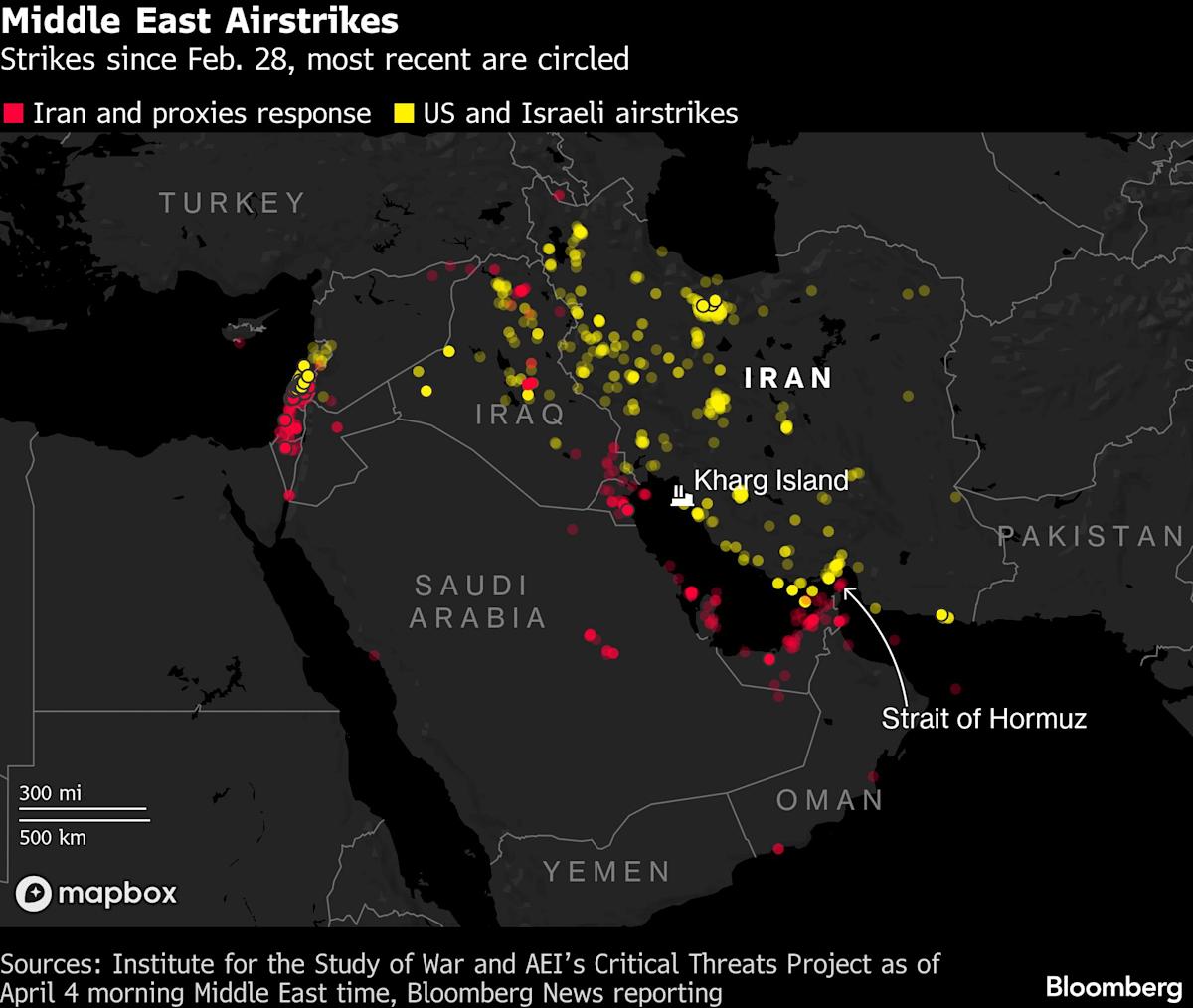
Spot gold prices surged by 3.5% on Tuesday, reaching $4,667.65 per ounce, as signs of easing tensions in the Middle East lifted market sentiment. Reports suggesting potential negotiations between Iran and other involved nations have fueled optimism for a resolution to the ongoing conflict. Iranian state media hinted at openness to talks, aligning with reports from Western outlets indicating that U.S. officials may be exploring an exit strategy from the Strait of Hormuz conflict. These developments spurred a rally in precious metals, with silver climbing 7.2% to $75.15 per ounce and platinum and palladium also posting gains. Investors remain focused on geopolitical headlines, as any escalation or de-escalation directly influences market dynamics.
Economic Uncertainty and Market Reactions
Despite the recent rally, broader economic uncertainty continues to weigh heavily on markets. Inflation concerns have been exacerbated by surging oil prices linked to the conflict, raising fears of simultaneous inflationary pressures and economic slowdown. The Federal Reserve's approach to managing inflation remains critical, with Chair Jerome Powell recently stating that longer-term inflation expectations remain "well anchored." This stance temporarily eased fears of aggressive interest rate hikes, which typically act as a headwind for non-yielding assets like gold. However, the forced selling of gold tied to equity market routs in recent weeks has highlighted the asset's vulnerability to liquidity-driven moves, reflecting its complex role in today's volatile economic landscape.
Long-Term Outlook for Gold
Analysts maintain a cautiously optimistic long-term outlook for gold, provided certain conditions are met. Energy disruptions stemming from the Middle East conflict could lead to prolonged inflationary pressures, which, when combined with potential central bank easing policies, may support a bullish turn for gold prices. JPMorgan analysts noted that the longer the energy disruption persists, the more significant its growth and inflationary impacts will become, setting the stage for a sharp rebound in gold's appeal as a safe-haven asset. However, gold's status as a secure store of value has faced scrutiny, with recent price declines challenging its traditional role. A shift in Federal Reserve policy, particularly if employment concerns take precedence over inflation, could amplify gold's recovery trajectory in the coming months.
 Sources



About the author





- Gold Advances Day Hopes Iran War Near End
 yahoo
yahoo - Gold prices rally track worst month 2008yahoo
- Gold prices rally tracks worst month decadeyahoo
- Gold Posts Worst Month 2008 Despite Hopes War Near Endyahoo