

Oil Prices Surge Amid Iran Conflict
Geopolitical Tensions and Oil Market Impact
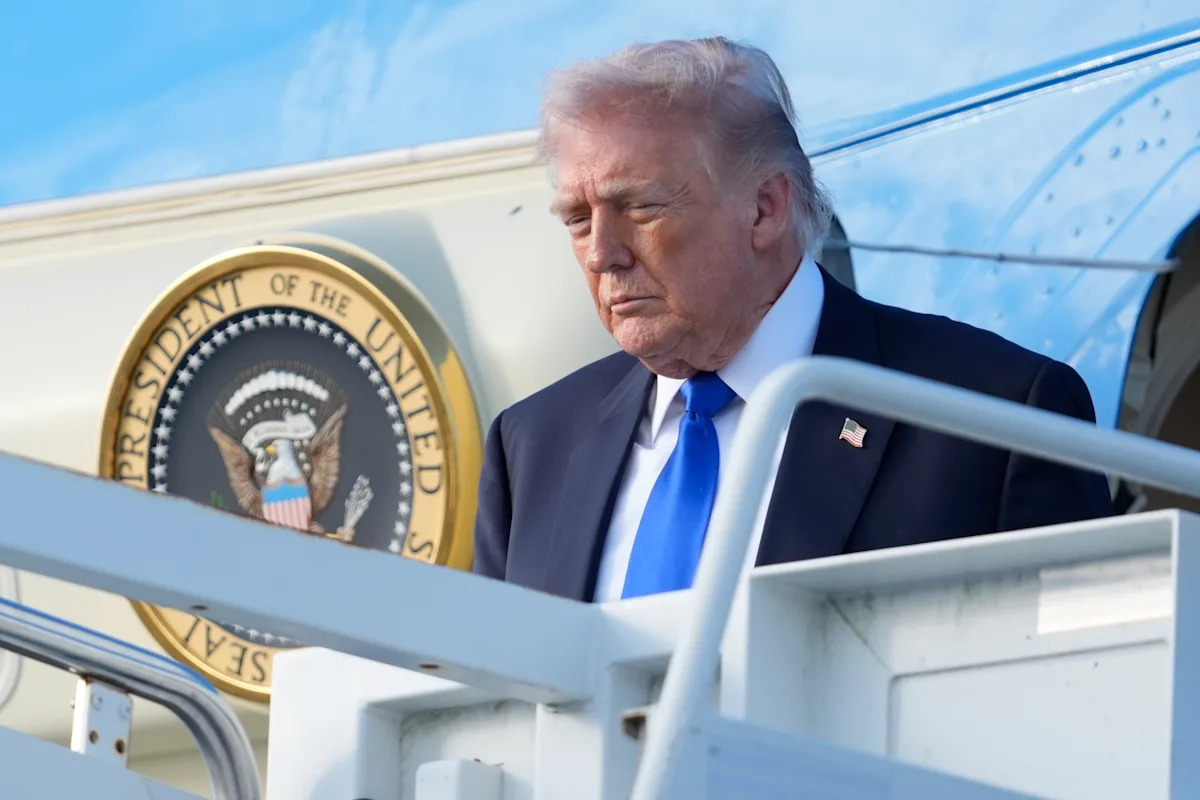
The closure of the Strait of Hormuz, a critical chokepoint for global oil shipments, has significantly disrupted the global oil supply chain. Approximately 20% of the world’s seaborne oil supply typically passes through this narrow waterway, and its effective closure has caused a sharp decline in oil transit volumes. The disruption has left global markets grappling with supply shortages and heightened uncertainty. Mediators, including regional powers and the U.S., are reportedly discussing a potential 45-day ceasefire to ease tensions and reopen the strait. However, the prospects remain uncertain as both sides maintain firm stances. U.S. President Donald Trump has issued ultimatums demanding Iran reopen the waterway, while Iran has rejected these demands, further escalating tensions.
The geopolitical uncertainty has created a significant risk premium in oil markets, with traders closely monitoring developments for signs of a potential resolution. Analysts warn that the longer the strait remains closed, the greater the impact on global energy prices and supply chains, potentially triggering wider economic repercussions.
Market Reactions to Supply Concerns
Global oil prices have surged amid the ongoing conflict and supply constraints. Brent crude recently traded near $109 per barrel, while West Texas Intermediate (WTI) crude reached over $111, reflecting heightened market volatility. These price levels represent some of the highest seen since the conflict began. The International Energy Agency has described the disruption as one of the most significant supply shocks in recent history.
Adding to the price pressures, Saudi Arabia has raised the price of its flagship Arab Light crude for Asian markets to a record premium of $19.50 per barrel over regional benchmarks. This move underscores the kingdom's confidence in maintaining high prices despite ongoing disruptions. Meanwhile, refiners and traders are scrambling to secure alternative supplies, further exacerbating market volatility. Analysts highlight that the tightness in oil markets is now driven by both geopolitical risk premiums and actual physical supply constraints, creating a complex and precarious pricing environment.
Future Outlook and Key Risks
The outlook for global oil markets remains highly uncertain, with risks of prolonged conflict and energy shortages looming large. A potential ceasefire in the Middle East could bring some relief to the market, but the timeline and feasibility of such an agreement remain unclear. Conversely, further escalation could lead to even greater disruptions, pushing oil prices higher and exacerbating supply shortages.
Long-term risks also include damage to energy infrastructure and the possibility of structural shifts in global oil trade flows. Market participants are increasingly focused on the implications of sustained supply disruptions, particularly in Asia, which relies heavily on oil shipments through the Strait of Hormuz. The ongoing conflict has also raised concerns about the resilience of global energy systems to geopolitical shocks, underlining the need for diversification and contingency planning in energy supply chains. Analysts caution that any resolution, while potentially stabilizing prices, may not immediately address the deep structural challenges posed by the current crisis.
 Sources



About the author



- Oil Swings Traders Gauge Report Push Iran Ceasefire
 yahoo
yahoo - Goldman Sachs warning Strait Hormuz: Countries face oil shortagesyahoo
- Oil Swings Focus Push Iran Truce Trump Deadlineyahoo
- Oil Rises as Trump Threatens Imminent Escalation in Iran Waryahoo