

US-Iran Peace Talks Face Significant Challenges
Stalled US-Iran Peace Talks
Former President Donald Trump recently canceled a trip by negotiators, including Steve Witkoff and Jared Kushner, to Pakistan aimed at facilitating peace talks with Iran. Trump described the visit as inefficient, citing leadership disarray within Iran as a primary obstacle. The announcement followed Iranian Foreign Minister Abbas Araghchi’s discussions in Pakistan, where he reiterated Iran’s position on ending the conflict but dismissed prospects of direct negotiations. Iran’s foreign ministry spokesperson further confirmed that no meetings with US officials were planned, underscoring Tehran’s unwillingness to alter its stance. This impasse reflects the deep-seated challenges in bridging gaps between the two nations amidst heightened tensions in the region.
Economic and Political Implications
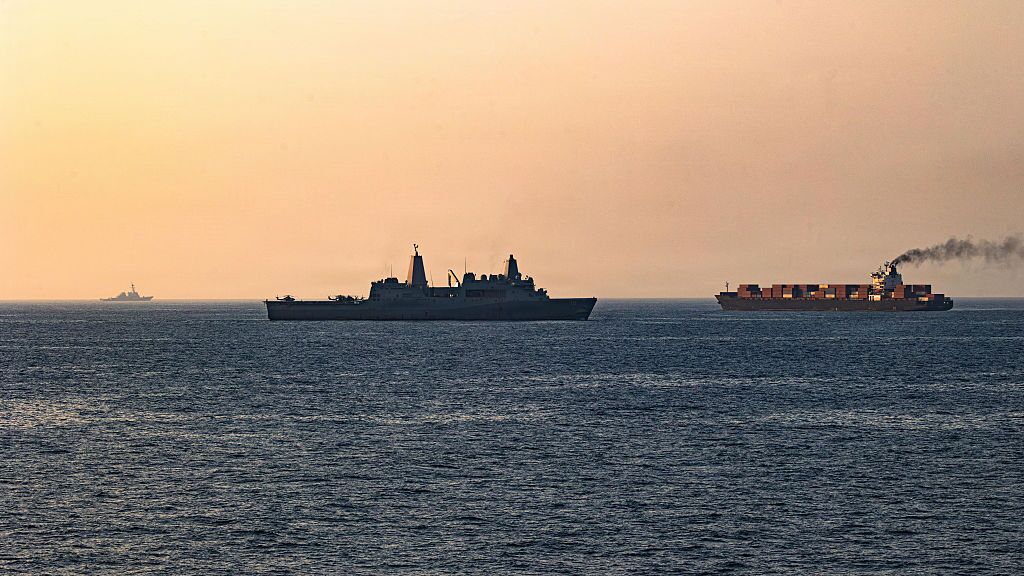
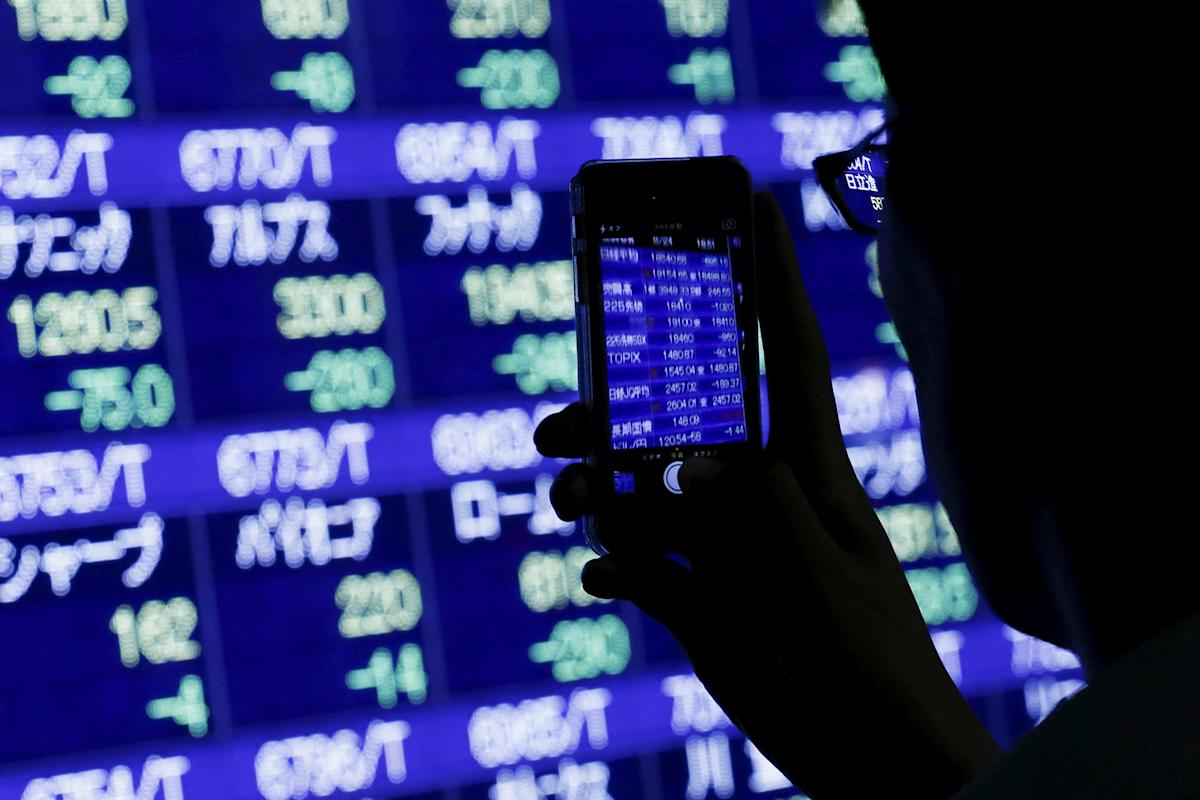
The ongoing conflict and the closure of the critical Strait of Hormuz have significantly disrupted global energy markets. Brent crude prices surged to $105.88 per barrel, up from $75 at the onset of the war, reflecting mounting concerns over oil supply disruptions. Domestically, US gasoline prices have risen sharply, with AAA data showing an increase from $2.98 to $4.09 per gallon. These economic pressures come at a politically sensitive time, as Republicans face challenges in maintaining control of Congress in upcoming elections. Additionally, the blockade of the Strait of Hormuz—responsible for the passage of a substantial portion of global oil—has compounded supply chain disruptions, affecting raw materials and agricultural inputs like fertilizer, further straining global economies.
Future Outlook and Challenges
The path to resolving US-Iran tensions remains fraught with challenges. Deep mistrust, particularly over Iran’s nuclear ambitions and control of the Strait of Hormuz, continues to hinder diplomatic efforts. Despite international calls for resolution, Tehran’s refusal to engage in fresh negotiations has stalled progress. Meanwhile, the Trump administration faces mounting domestic pressure to address the conflict’s economic fallout, especially as rising fuel costs weigh on public sentiment. Without significant diplomatic breakthroughs, the prospects for stabilizing the region and mitigating economic impacts remain uncertain, leaving both nations and global markets on edge.
 Sources
About the author




- US-Iran Talks Unlikely Advance Quickly, GOP Lawmaker Says
 yahoo
yahoo - Trump cancels trip negotiators peace talks Iranyahoo
- Trump cancels trip negotiators Iran peace talksyahoo