Qatar Requests Purchase of 10,000 Rockets Amid Ongoing Conflict
Written by Emily J. Thompson, Senior Investment Analyst
Updated: 54 minutes ago
0mins
Should l Buy LHX?
Source: Fool
- War Impact Assessment: After $25 billion in spending and 39 days of fighting, Qatar suffered 700 Iranian drone and missile strikes, resulting in an estimated $20 billion annual revenue loss and a five-year recovery timeline for LNG facilities, highlighting the significant economic toll of the conflict.
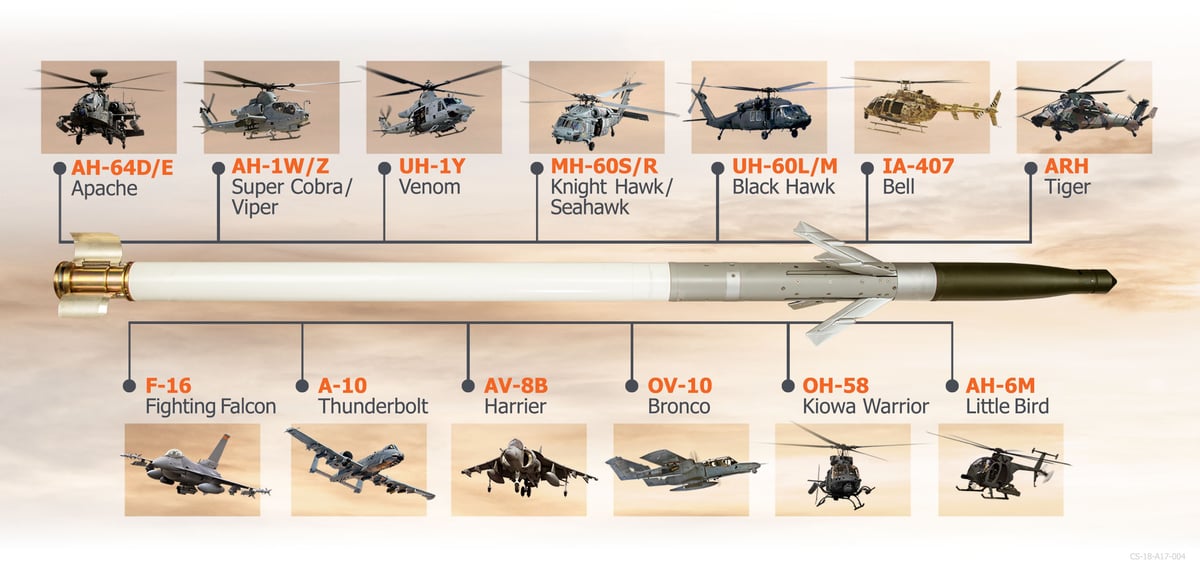
- Defense Capability Enhancement: Qatar has requested permission from the U.S. to purchase 10,000 Advanced Precision Kill Weapon System-II (APKWS) rockets for $992.4 million, aiming to bolster its defense capabilities and ensure effective responses to potential threats in future conflicts.
- Profit Opportunities for BAE Systems: As the principal contractor for this arms deal, BAE Systems is expected to reap substantial profits from Qatar's purchase, particularly since APKWS comes from its most profitable Electronic Systems unit, likely achieving a 15.5% operating profit margin.
- Market Supply-Demand Dynamics: With BAE Systems' current production capacity limited to 25,000 rockets per year, Qatar's order will consume nearly half of that, leading to price increases, with an expected unit price of $99,000 per rocket, further solidifying BAE's seller's market position.
Trade with 70% Backtested Accuracy
Stop guessing "Should I Buy LHX?" and start using high-conviction signals backed by rigorous historical data.
Sign up today to access powerful investing tools and make smarter, data-driven decisions.
Analyst Views on LHX
Wall Street analysts forecast LHX stock price to fall
14 Analyst Rating
11 Buy
3 Hold
0 Sell
Strong Buy
Current: 307.620

Low
212.00
Averages
253.50
High
280.00
Current: 307.620
Low
212.00
Averages
253.50
High
280.00
About LHX
L3Harris Technologies, Inc. provides end-to-end technology solutions connecting the space, air, land, sea and cyber domains in the interest of national security. Its segments include Space & Airborne Systems (SAS), Integrated Mission Systems (IMS), Communication Systems (CS), and Aerojet Rocketdyne (AR). The SAS segment supplies full mission solutions as a prime and subsystem integrator in the space, airborne and cyber domains. The IMS segment delivers differentiated mission capabilities and prime systems integration to support intelligence, reconnaissance and surveillance (ISR), passive sensing and targeting, electronic attack, autonomy, power and communications, networks and sensors. CS enables warfighters across all domains with solutions critical to mission success even in the contested environments. The AR segment provides propulsion, power and armament products and systems to the U.S. Government, including the DoD, NASA and various aerospace and defense prime contractors.
About the author

Emily J. Thompson
Emily J. Thompson, a Chartered Financial Analyst (CFA) with 12 years in investment research, graduated with honors from the Wharton School. Specializing in industrial and technology stocks, she provides in-depth analysis for Intellectia’s earnings and market brief reports.
Qatar Requests Purchase of 10,000 Rockets Amid Ongoing Conflict

- War Impact Assessment: After $25 billion in spending and 39 days of fighting, Qatar suffered 700 Iranian drone and missile strikes, resulting in an estimated $20 billion annual revenue loss and a five-year recovery timeline for LNG facilities, highlighting the significant economic toll of the conflict.
- Defense Capability Enhancement: Qatar has requested permission from the U.S. to purchase 10,000 Advanced Precision Kill Weapon System-II (APKWS) rockets for $992.4 million, aiming to bolster its defense capabilities and ensure effective responses to potential threats in future conflicts.
- Profit Opportunities for BAE Systems: As the principal contractor for this arms deal, BAE Systems is expected to reap substantial profits from Qatar's purchase, particularly since APKWS comes from its most profitable Electronic Systems unit, likely achieving a 15.5% operating profit margin.
- Market Supply-Demand Dynamics: With BAE Systems' current production capacity limited to 25,000 rockets per year, Qatar's order will consume nearly half of that, leading to price increases, with an expected unit price of $99,000 per rocket, further solidifying BAE's seller's market position.
See More
Israel Requests $992.4 Million in APKWS Rockets from BAE Systems
- Israel's Defense Initiative: Israel has requested permission from the U.S. to purchase 10,000 Advanced Precision Kill Weapon System-II (APKWS) rockets for $992.4 million, aimed at enhancing its defense against Iranian drones and ensuring readiness for potential hostilities.
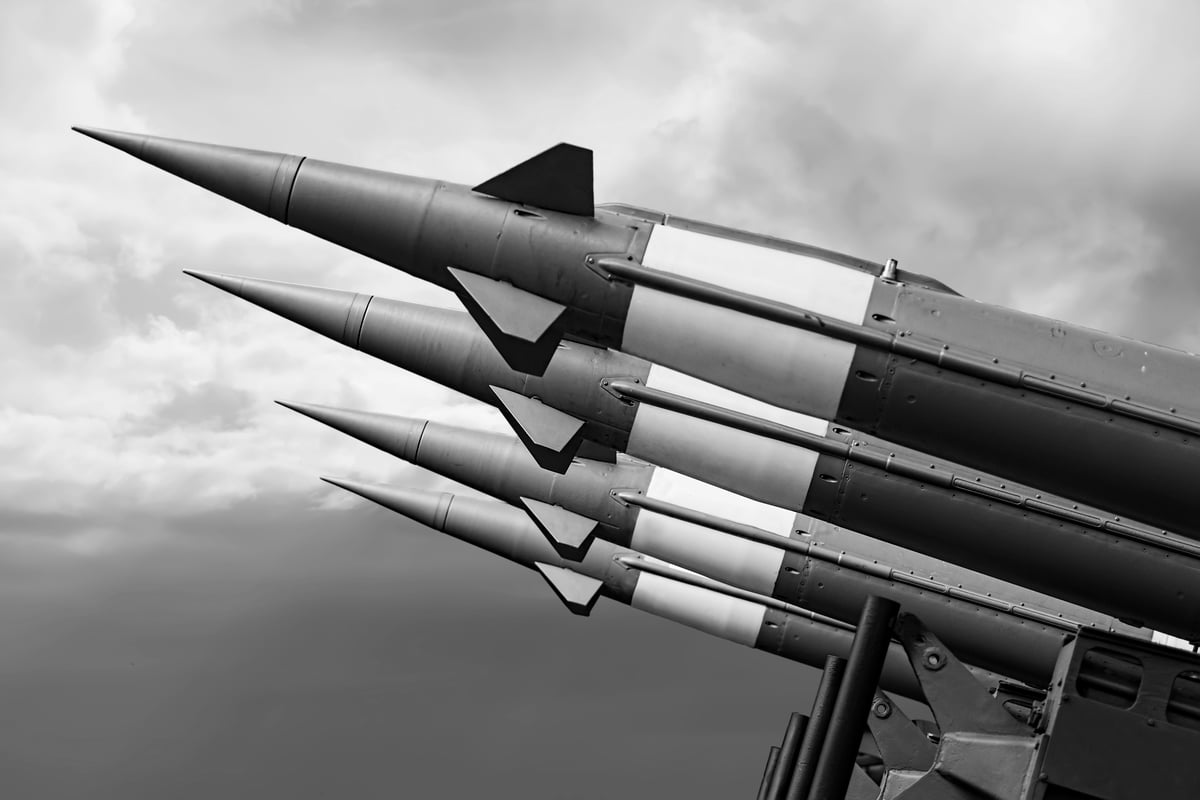
- Rocket Performance Advantage: The APKWS rockets combine a laser guidance system with a 70 mm rocket, capable of intercepting drones midair, demonstrating effectiveness in Ukraine against Russian drones, significantly reducing defense costs compared to traditional systems.
- BAE Systems' Profit Potential: As the principal contractor for this arms deal, BAE Systems is expected to reap substantial profits from Israel's purchase, with projected operating profit margins exceeding 15.5%, further solidifying its market position in the electronic systems sector.
- Production Capacity Constraints: BAE Systems can only produce 25,000 APKWS annually, and with a similar order from Qatar, Israel's 10,000-unit order will nearly deplete a year's production capacity, leading to price increases and enhancing BAE's profit margins.
See More

L3Harris to Present at Bernstein Conference
- Conference Schedule: L3Harris Technologies' Chairman and CEO Christopher Kubasik, along with CFO Ken Sharp, will present at the Bernstein 42nd Annual Strategic Decisions Conference on May 27 at 2:30 p.m. ET in New York City, highlighting the company's latest advancements in defense technology.
- Live Streaming and Replay: The presentation will be streamed live on L3Harris.com, with a recording available afterward, ensuring that investors and stakeholders who cannot attend in real-time can access the information, thereby enhancing the company's transparency.
- Company Background: L3Harris Technologies is recognized as a
See More
Palantir Joins U.S. Army Hackathon to Boost Growth


- Stock Recovery: After two days of decline, Palantir's stock rebounded by 4.2% on Thursday, reaching $137.76 per share, reflecting market confidence in its growth potential.
- Hackathon Participation: Palantir announced its participation in an upcoming U.S. Army hackathon, aiming to showcase its technical capabilities and compete with other defense firms, potentially opening new avenues for government sales growth.
- Growth Concerns: Despite achieving an 85% year-over-year growth rate last quarter, Palantir's slower new contract growth has resulted in a book-to-bill ratio below 1.0, leading to cautious investor sentiment regarding future sales growth.
- Government vs. Commercial Sales: According to S&P Global Market Intelligence, Palantir's government sales grew only 76%, significantly lower than the 95% growth in commercial sales, highlighting both challenges and opportunities in the government market.
See More
US Air Force Aiming for July 4 Delivery of New Air Force One
- New Air Force One Delivery Plan: The US Air Force is targeting a July 4 delivery for a Boeing 747 gifted by Qatar, aiming to prepare for the nation's 250th anniversary, which would provide President Trump with a new presidential aircraft if delivered on time.
- Upgrade Progress: The aircraft has been undergoing modifications since 2025, with L3Harris responsible for the overhaul, and it has completed flight testing and is currently being painted, ensuring it meets the summer delivery schedule while enhancing presidential travel security and communication capabilities.
- Replacement Project Delays: Boeing's Air Force One replacement program is four years behind schedule, with delivery not expected until mid-2028, risking Trump's ability to use the new planes before his term ends, while project costs have ballooned from $3.9 billion to over $5 billion.
- New Livery Scheme: The Air Force recently unveiled a new paint scheme in red, white, dark blue, and gold, replacing the long-standing white and blue design from the Kennedy era, reflecting Trump's design preferences, while also repainting the 757s used by the vice president and senior officials.
See More

LHX Stock 52-Week High and Low Analysis
- Price Fluctuation Analysis: LHX's 52-week low is $214.10 per share, while the high is $379.23, with the last trade at $308.92, indicating significant price movement within this range and reflecting market interest and investor sentiment changes.
- Technical Analysis Data: Information from TechnicalAnalysisChannel.com highlights the relationship between LHX's stock price and its 200-day moving average, which could influence investor trading decisions, particularly as the price approaches technical support or resistance levels.
- Market Sentiment Impact: The current price of $308.92 is close to the 52-week low, potentially prompting varied investor perspectives on future trends, especially amid increased market volatility, which may affect LHX's short-term investment appeal.
- Investor Focus: LHX's stock performance is closely tied to its fundamentals and market conditions, necessitating that investors monitor relevant technical indicators and market dynamics to make more informed investment decisions.
See More
Qatar Requests Purchase of 10,000 Rockets Amid Ongoing Conflict
- War Impact Assessment: After $25 billion in spending and 39 days of fighting, Qatar suffered 700 Iranian drone and missile strikes, resulting in an estimated $20 billion annual revenue loss and a five-year recovery timeline for LNG facilities, highlighting the significant economic toll of the conflict.
- Defense Capability Enhancement: Qatar has requested permission from the U.S. to purchase 10,000 Advanced Precision Kill Weapon System-II (APKWS) rockets for $992.4 million, aiming to bolster its defense capabilities and ensure effective responses to potential threats in future conflicts.
- Profit Opportunities for BAE Systems: As the principal contractor for this arms deal, BAE Systems is expected to reap substantial profits from Qatar's purchase, particularly since APKWS comes from its most profitable Electronic Systems unit, likely achieving a 15.5% operating profit margin.
- Market Supply-Demand Dynamics: With BAE Systems' current production capacity limited to 25,000 rockets per year, Qatar's order will consume nearly half of that, leading to price increases, with an expected unit price of $99,000 per rocket, further solidifying BAE's seller's market position.
See More
Israel Requests $992.4 Million in APKWS Rockets from BAE Systems
- Israel's Defense Initiative: Israel has requested permission from the U.S. to purchase 10,000 Advanced Precision Kill Weapon System-II (APKWS) rockets for $992.4 million, aimed at enhancing its defense against Iranian drones and ensuring readiness for potential hostilities.
- Rocket Performance Advantage: The APKWS rockets combine a laser guidance system with a 70 mm rocket, capable of intercepting drones midair, demonstrating effectiveness in Ukraine against Russian drones, significantly reducing defense costs compared to traditional systems.
- BAE Systems' Profit Potential: As the principal contractor for this arms deal, BAE Systems is expected to reap substantial profits from Israel's purchase, with projected operating profit margins exceeding 15.5%, further solidifying its market position in the electronic systems sector.
- Production Capacity Constraints: BAE Systems can only produce 25,000 APKWS annually, and with a similar order from Qatar, Israel's 10,000-unit order will nearly deplete a year's production capacity, leading to price increases and enhancing BAE's profit margins.
See More
L3Harris to Present at Bernstein Conference
- Conference Schedule: L3Harris Technologies' Chairman and CEO Christopher Kubasik, along with CFO Ken Sharp, will present at the Bernstein 42nd Annual Strategic Decisions Conference on May 27 at 2:30 p.m. ET in New York City, highlighting the company's latest advancements in defense technology.
- Live Streaming and Replay: The presentation will be streamed live on L3Harris.com, with a recording available afterward, ensuring that investors and stakeholders who cannot attend in real-time can access the information, thereby enhancing the company's transparency.
- Company Background: L3Harris Technologies is recognized as a
See More
Palantir Joins U.S. Army Hackathon to Boost Growth
- Stock Recovery: After two days of decline, Palantir's stock rebounded by 4.2% on Thursday, reaching $137.76 per share, reflecting market confidence in its growth potential.
- Hackathon Participation: Palantir announced its participation in an upcoming U.S. Army hackathon, aiming to showcase its technical capabilities and compete with other defense firms, potentially opening new avenues for government sales growth.
- Growth Concerns: Despite achieving an 85% year-over-year growth rate last quarter, Palantir's slower new contract growth has resulted in a book-to-bill ratio below 1.0, leading to cautious investor sentiment regarding future sales growth.
- Government vs. Commercial Sales: According to S&P Global Market Intelligence, Palantir's government sales grew only 76%, significantly lower than the 95% growth in commercial sales, highlighting both challenges and opportunities in the government market.
See More
US Air Force Aiming for July 4 Delivery of New Air Force One
- New Air Force One Delivery Plan: The US Air Force is targeting a July 4 delivery for a Boeing 747 gifted by Qatar, aiming to prepare for the nation's 250th anniversary, which would provide President Trump with a new presidential aircraft if delivered on time.
- Upgrade Progress: The aircraft has been undergoing modifications since 2025, with L3Harris responsible for the overhaul, and it has completed flight testing and is currently being painted, ensuring it meets the summer delivery schedule while enhancing presidential travel security and communication capabilities.
- Replacement Project Delays: Boeing's Air Force One replacement program is four years behind schedule, with delivery not expected until mid-2028, risking Trump's ability to use the new planes before his term ends, while project costs have ballooned from $3.9 billion to over $5 billion.
- New Livery Scheme: The Air Force recently unveiled a new paint scheme in red, white, dark blue, and gold, replacing the long-standing white and blue design from the Kennedy era, reflecting Trump's design preferences, while also repainting the 757s used by the vice president and senior officials.
See More
LHX Stock 52-Week High and Low Analysis
- Price Fluctuation Analysis: LHX's 52-week low is $214.10 per share, while the high is $379.23, with the last trade at $308.92, indicating significant price movement within this range and reflecting market interest and investor sentiment changes.
- Technical Analysis Data: Information from TechnicalAnalysisChannel.com highlights the relationship between LHX's stock price and its 200-day moving average, which could influence investor trading decisions, particularly as the price approaches technical support or resistance levels.
- Market Sentiment Impact: The current price of $308.92 is close to the 52-week low, potentially prompting varied investor perspectives on future trends, especially amid increased market volatility, which may affect LHX's short-term investment appeal.
- Investor Focus: LHX's stock performance is closely tied to its fundamentals and market conditions, necessitating that investors monitor relevant technical indicators and market dynamics to make more informed investment decisions.
See More