

Brent Crude Near $105 Amid Middle East Tensions
Rising Oil Prices and Market Impact
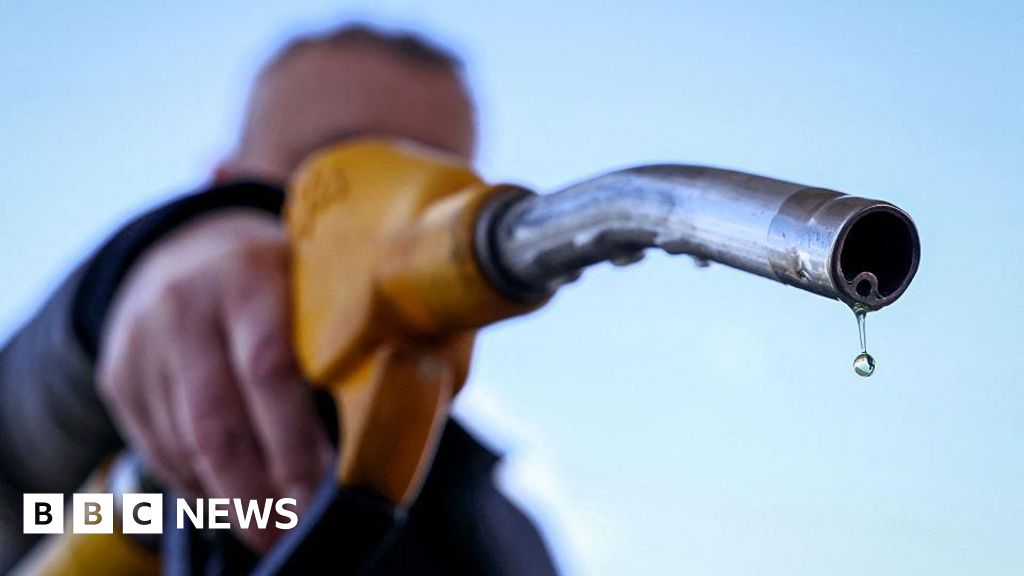
Brent crude prices have surged to approximately $105 per barrel, marking a 40% increase since the onset of heightened conflict in the Middle East. This dramatic rise is attributed to escalating geopolitical tensions, which have disrupted energy supplies and heightened market uncertainty. U.S. benchmark crude also reflects this upward momentum, trading near $97 per barrel, demonstrating a 45% increase over the same period.
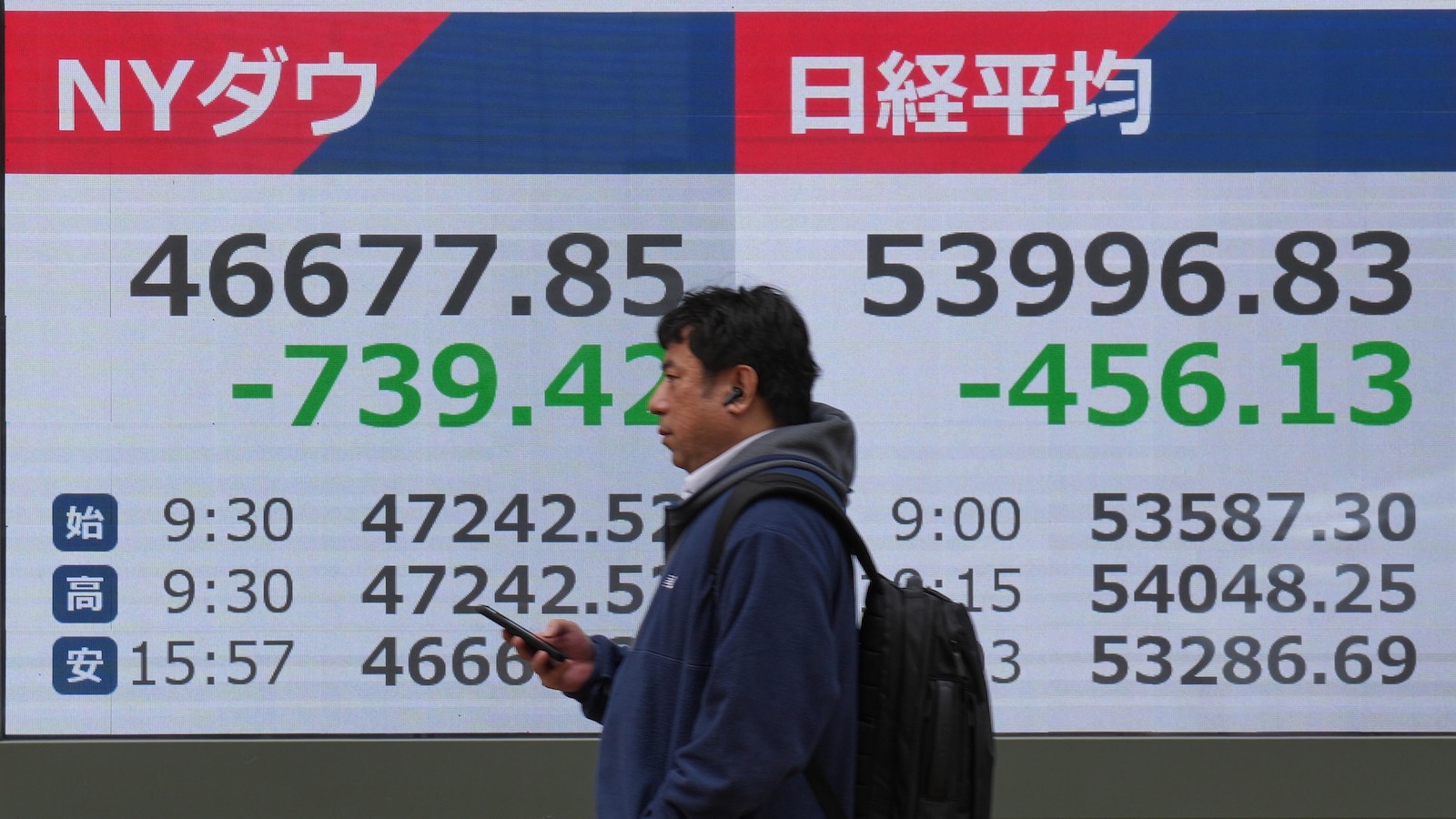
Global equity markets have shown mixed reactions to the volatile energy prices. In the U.S., S&P 500 futures gained 0.6%, while Dow Jones Industrial Average futures rose 0.4%. Conversely, European indices displayed moderate movement, with Germany's DAX inching 0.2% higher and France's CAC 40 remaining flat. In Asia, markets like Hong Kong's Hang Seng advanced 1.5% on positive economic data, while Shanghai Composite dipped slightly by 0.3%. These varied performances underscore investor concerns about the broader economic implications of surging oil prices.
Middle East Conflict's Disruption on Oil Supply
The ongoing conflict has critically affected oil transportation and production, particularly through the Strait of Hormuz—a key passageway for nearly one-fifth of the world's oil supply. Recent attacks have effectively halted or delayed the movement of tankers, with only a limited number of vessels navigating the strait in the past week. According to Rystad Energy, this disruption has removed approximately 12 million barrels of oil equivalent per day from global markets.
In response, the International Energy Agency (IEA) has coordinated the release of 400 million barrels of oil from emergency reserves to mitigate immediate supply shortages. However, analysts warn that this measure offers only short-term relief and may not counterbalance a prolonged disruption in the region. Concerns linger over the potential for sustained supply shocks, particularly as geopolitical tensions remain unresolved.
Inflation and Economic Challenges
The spike in oil prices has exacerbated inflationary pressures worldwide, complicating efforts by central banks to stabilize economies. In the U.S., consumer prices climbed 2.8% in January compared to the prior year, with core inflation—excluding food and energy—rising 3.1%, marking the highest increase in nearly two years. These inflationary trends are primarily driven by higher energy costs stemming from the conflict.
Central banks, including the Federal Reserve, face mounting challenges as they attempt to balance inflation control with economic growth. The Federal Reserve is anticipated to cut interest rates in its upcoming policy meeting, but higher energy costs may limit the effectiveness of these measures. The ongoing conflict and its impact on global energy markets continue to amplify economic uncertainty, leaving policymakers with limited options to address mounting economic pressures.
 Sources



About the author






- Brent crude trades near $105 Iran attacks Gulf targets, shares mix
 abc
abc - Oil Trades $103 War Keeps Hitting Middle East Output
 yahoo
yahoo - Brent crude trades near $105 Iran attacks Gulf targets, shares mixedabc