

Trump Hints at Easing Oil Sanctions Amid Iran War
Trump’s Remarks on the Iran War and Oil Sanctions
President Donald Trump has signaled a potential shift in the ongoing Iran conflict, indicating plans to ease oil-related sanctions and escort oil tankers through the strategic Strait of Hormuz. These comments, made during a press conference in Florida, come as global energy markets grapple with significant disruptions. Trump expressed optimism that the conflict could conclude shortly, stating, "I believe this will be a short-term issue." He also hinted at discussions with Russian President Vladimir Putin about energy strategies, underscoring a broader diplomatic effort to stabilize oil markets.
Trump's administration is reportedly considering measures to alleviate pressure on oil supplies, including releasing emergency stockpiles and temporarily lifting sanctions on Russian oil purchases to ease global shortages. These actions are framed as part of a broader strategy to combat surging energy prices, which have placed additional strain on the global economy. However, skepticism remains regarding the feasibility and timeline of these measures, with markets awaiting further concrete actions.
Impact on Oil Prices and Energy Markets
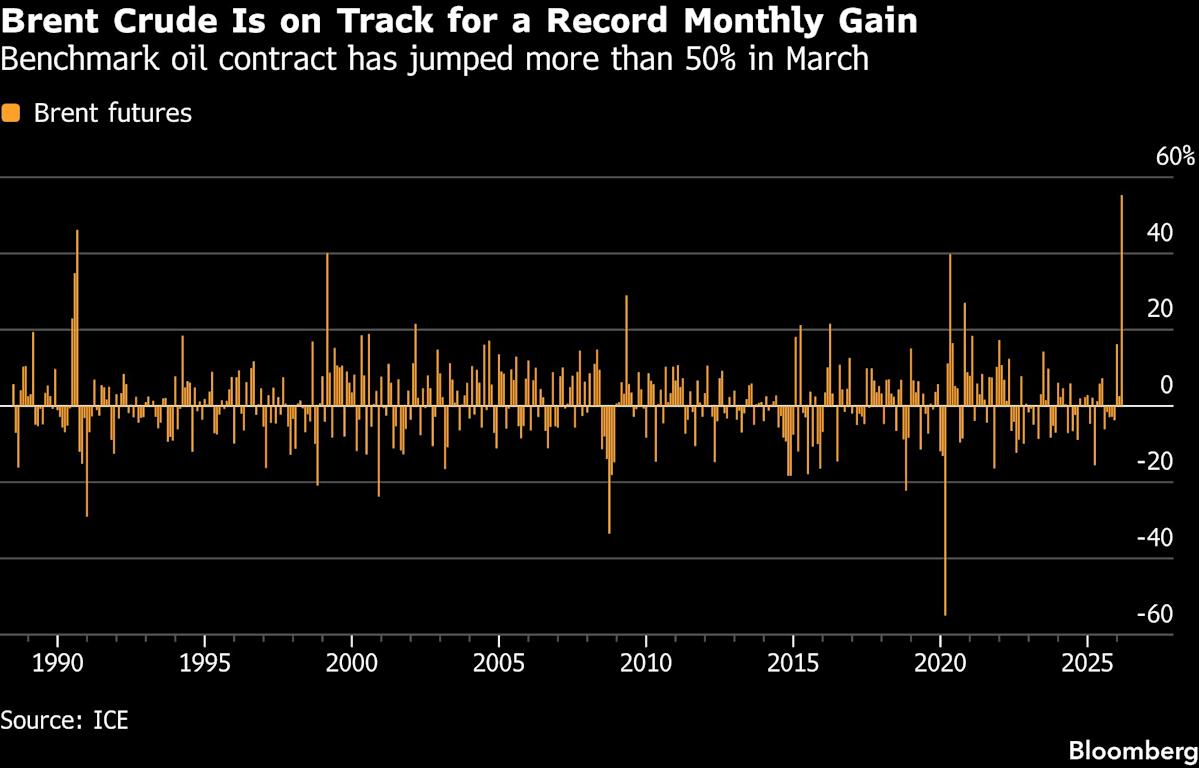
Oil prices experienced a sharp decline following Trump’s remarks, with Brent crude and West Texas Intermediate (WTI) both plunging approximately 10%. Brent crude dropped to $90 per barrel, reversing earlier gains that saw prices spike above $120 per barrel at the height of market panic. This volatility reflects investor uncertainty over the war's duration and its impact on energy supply chains.
The closure of the Strait of Hormuz, a critical chokepoint for global oil flows, has exacerbated supply concerns. Major oil-exporting nations, including Saudi Arabia and the UAE, have reduced output, leading to disruptions in supply to Asia and Europe. Despite the temporary relief in prices, analysts warn that markets remain highly volatile, with prices likely to spike again if the conflict escalates or if tanker traffic through the Strait remains restricted.
Global Response and Economic Implications
The G7 nations have convened emergency discussions to address the energy crisis, with potential measures including the release of strategic oil reserves. While no final decision has been reached, the group emphasized its readiness to act swiftly to stabilize global energy markets. The International Energy Agency (IEA) has also been engaged in these talks, reflecting the high level of international concern over the conflict's impact on energy security.
Beyond energy, the war has raised broader economic concerns, including heightened inflation risks and the potential for slower economic growth. Rising gasoline prices have added to consumer pressure, particularly in the U.S., where inflation remains a key political issue ahead of upcoming elections. Meanwhile, global stock markets have shown mixed reactions, with gains in Asia following Trump’s comments but ongoing caution among investors about the conflict's trajectory. The economic and geopolitical stakes remain high as nations closely monitor developments in the Middle East.
 Sources

About the author







- Trump Signals Possible End War, Floats Removing Oil Sanctions
 yahoo
yahoo - Oil Slides Trump Seeks Ease Concerns War’s Lengthyahoo
- Iran War: Oil prices fall Trump warns Tehran Strait Hormuz
 bbc
bbc - Ship Clusters and Speeding Tankers Point to Hormuz Jammingyahoo