

Strait of Hormuz Crisis Pressures Global Energy Trade
Geopolitical Tensions and Energy Trade Risks
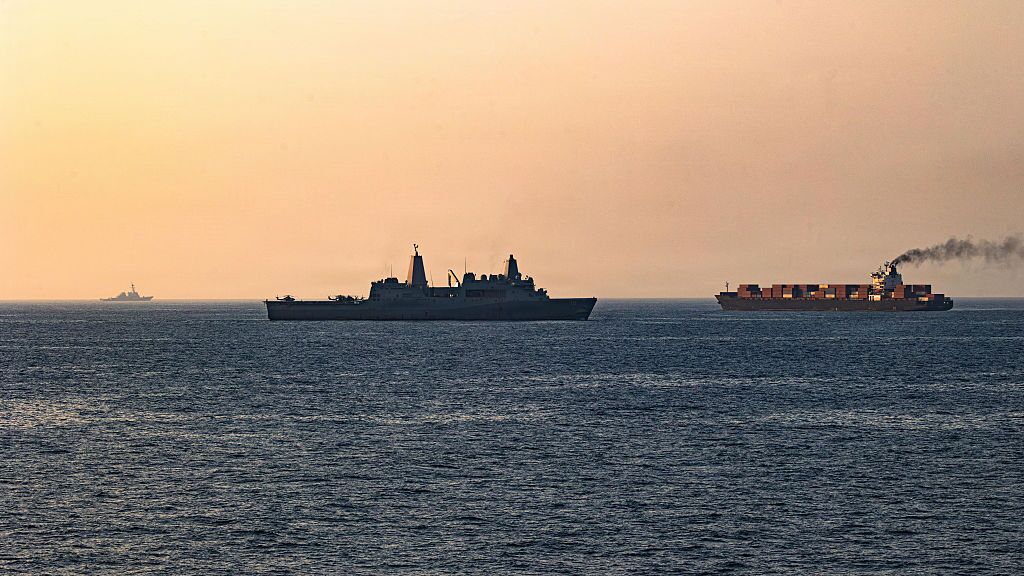
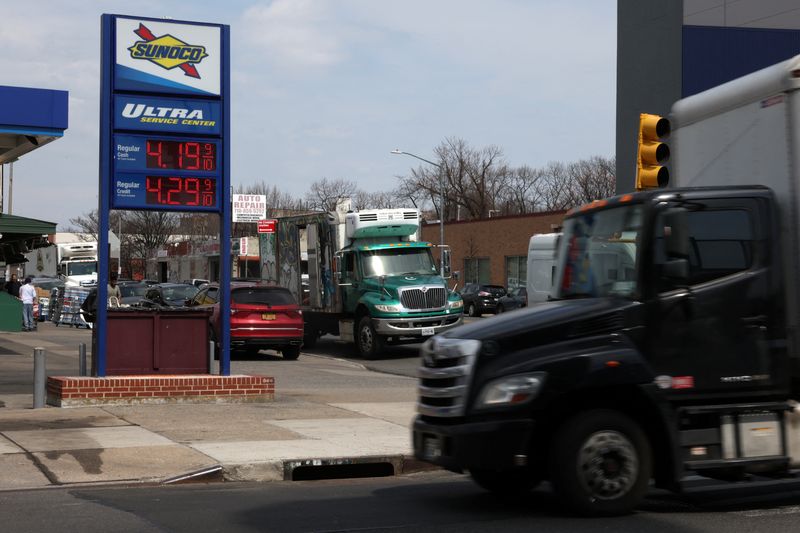
Iran's strategic control over the Strait of Hormuz, a vital chokepoint for global energy trade, has magnified risks in the oil market. The strait handles nearly 20% of the world's traded oil, making disruptions highly consequential for energy prices. Recent escalations, including missile strikes and drone attacks targeting vessels, have exacerbated concerns. Brent crude prices, for instance, surged to over $106 per barrel, reflecting heightened market anxiety over supply security.
The vulnerability of vessels traversing the waterway is a critical issue. Iran's use of unmanned aerial vehicles, missiles, and potential naval mines has created significant operational risks. With the strait narrowing to just 30 miles at its tightest point, navigating these waters has become increasingly perilous. Experts warn that prolonged disruptions could lead to further oil price increases, ripple effects on global inflation, and energy shortages in key importing nations.
International Negotiations for Safe Passage
Amid the crisis, India and Turkey have taken active steps to negotiate safe passage for their vessels. India, heavily reliant on the strait for 40-50% of its crude oil imports and substantial liquefied petroleum gas (LPG) shipments, has secured limited agreements with Iran to allow some vessels through. Two Indian-flagged LPG tankers recently passed through the strait, easing domestic fuel supply pressures. Similarly, Turkey has reported successful negotiations enabling transit for its ships.
The strait's strategic significance extends globally, as it supports energy imports for major economies such as China, Japan, and South Korea. These nations, alongside European countries, are exploring diplomatic solutions to ensure uninterrupted energy flows. However, progress remains fragile, and the ongoing conflict in the region poses uncertainties for long-term resolutions.
Global Responses to U.S. Coalition Proposal
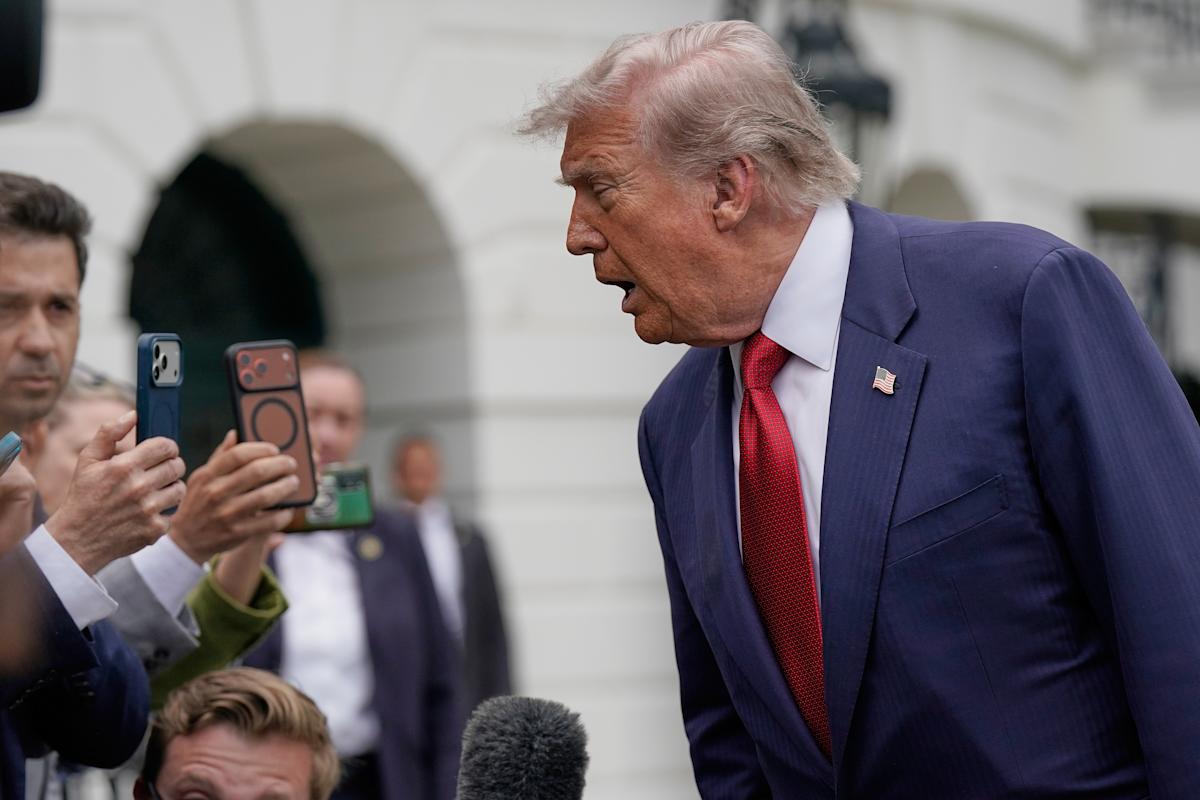
The United States has called on allies to form a coalition to secure the Strait of Hormuz, urging NATO members and Asian nations to contribute naval forces. President Donald Trump emphasized that ensuring the free flow of energy supplies is a shared responsibility. However, the response from U.S. allies has been tepid.
European nations, including Germany and Italy, have expressed reluctance to redirect existing naval resources to the strait, citing concerns over escalating tensions with Iran. NATO members have not reached a consensus on a unified response, and countries like Japan and South Korea, while reliant on Middle Eastern oil, are hesitant due to domestic policy constraints and fears of entanglement in a broader conflict.
The lack of a cohesive international strategy underscores the challenges of balancing energy security with geopolitical stability. As discussions continue, the risk of prolonged disruptions in the Strait of Hormuz remains a pressing concern for global markets.
 Sources


About the author





- Iran’s Upper Hand Hormuz Pressuring Oil Buyers Trump
 yahoo
yahoo - Strait Hormuz: India hopes talks Iran ease route ships
 bbc
bbc - Allies Wary Joining Trump’s Strait Hormuz Missionyahoo
- Tracking the Strait of Hormuz, gas and oil prices as war with Iran widensyahoo