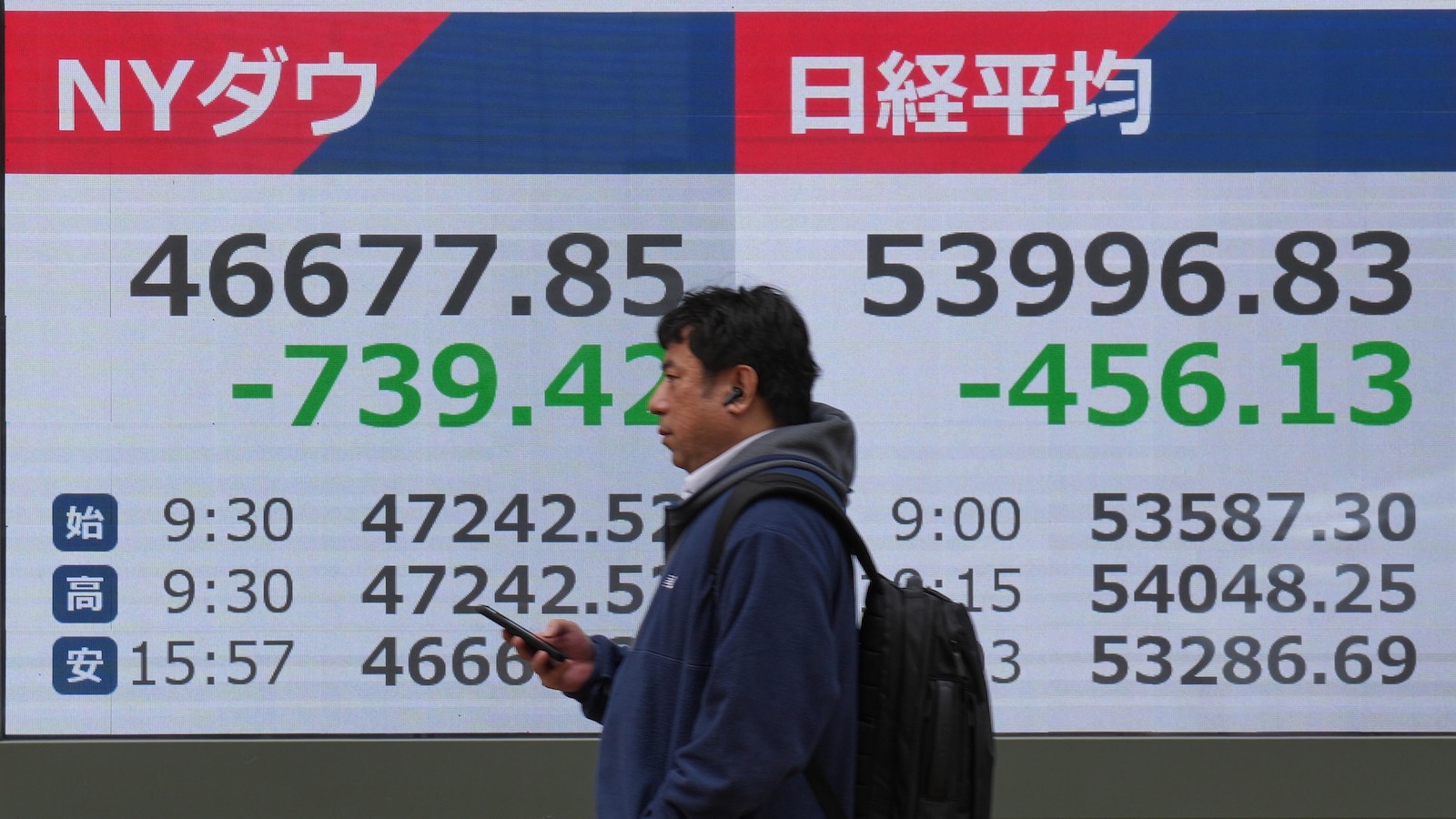
Tax Bill Boosts Refunds Amid Market Volatility
Written by Emily J. Thompson, Senior Investment Analyst
Updated: 1 hour ago
0mins
Should l Buy COST?
Source: Fool
- Increased Refunds: The tax bill passed last year has reduced individual taxes by $129 billion for 2025, resulting in many taxpayers receiving larger refunds this tax season, with the average refund amount rising from $3,450 to over $3,800, thereby enhancing disposable income for consumers.
- Investment Recommendations: Given the heightened market volatility, taxpayers are advised to invest their refunds rather than spend them, particularly as the ongoing conflict in the Middle East has led to stock market declines, making retirement portfolio investments crucial for long-term financial health.
- Defensive Investments: Sectors such as consumer staples, healthcare, and utilities are expected to perform well during economic slowdowns, with companies like Costco, Johnson & Johnson, and NextEra Energy maintaining stable demand, making them attractive options for investors seeking safety.
- Market Performance Analysis: Despite increased overall market volatility, certain defensive stocks have outperformed the broader market over the past month, indicating that selecting appropriate investment targets can effectively mitigate risks and yield returns in uncertain economic conditions.
Trade with 70% Backtested Accuracy
Stop guessing "Should I Buy COST?" and start using high-conviction signals backed by rigorous historical data.
Sign up today to access powerful investing tools and make smarter, data-driven decisions.
Analyst Views on COST
Wall Street analysts forecast COST stock price to rise
24 Analyst Rating
19 Buy
4 Hold
1 Sell
Strong Buy
Current: 1008.430

Low
769.00
Averages
1061
High
1205
Current: 1008.430
Low
769.00
Averages
1061
High
1205
About COST
Costco Wholesale Corporation (Costco) operates membership warehouses and e-commerce sites that offer a selection of nationally branded and private-label products in a wide range of categories. The Company buys the majority of its merchandise directly from suppliers and route it to cross-docking consolidation points (depots) or directly to its warehouses. It operates 891 warehouses, including 614 in the United States and Puerto Rico, 108 in Canada, 40 in Mexico, 35 in Japan, 29 in the United Kingdom, 19 in Korea, 15 in Australia, 14 in Taiwan, seven in China, five in Spain, two in France, and one each in Iceland, New Zealand and Sweden. It also operates e-commerce sites in the United States, Canada, the United Kingdom, Mexico, Korea, Taiwan, Japan and Australia. The Company provides wide selection of merchandise, plus the convenience of specialty departments and exclusive member services.
About the author

Emily J. Thompson
Emily J. Thompson, a Chartered Financial Analyst (CFA) with 12 years in investment research, graduated with honors from the Wharton School. Specializing in industrial and technology stocks, she provides in-depth analysis for Intellectia’s earnings and market brief reports.
Costco Shareholders Enjoy Over 6,330% Returns
- Significant Shareholder Returns: Costco's stock has returned over 6,330% since its inception, transforming a $10,000 investment into more than $642,000, showcasing its strong investment appeal and long-term value.
- Membership Profit Model: By charging high-margin membership fees, Costco maintains low prices on goods, attracting high-income consumers and ensuring its price leadership in the retail market, thereby enhancing profitability.
- Growing Membership Base: Currently, Costco boasts 82.1 million paid members, with a recent quarterly growth rate of 4.8%, indicating the sustainability of its business model and strong market demand.
- Earnings Growth Expectations: Wall Street analysts project Costco will achieve an average annual earnings growth of 10% over the next three to five years, although its current P/E ratio of 52 is above the decade average, the company's stable growth potential continues to attract investor interest.
See More

Tax Bill Boosts Refunds Amid Market Volatility

- Increased Refunds: The tax bill passed last year has reduced individual taxes by $129 billion for 2025, resulting in many taxpayers receiving larger refunds this tax season, with the average refund amount rising from $3,450 to over $3,800, thereby enhancing disposable income for consumers.
- Investment Recommendations: Given the heightened market volatility, taxpayers are advised to invest their refunds rather than spend them, particularly as the ongoing conflict in the Middle East has led to stock market declines, making retirement portfolio investments crucial for long-term financial health.
- Defensive Investments: Sectors such as consumer staples, healthcare, and utilities are expected to perform well during economic slowdowns, with companies like Costco, Johnson & Johnson, and NextEra Energy maintaining stable demand, making them attractive options for investors seeking safety.
- Market Performance Analysis: Despite increased overall market volatility, certain defensive stocks have outperformed the broader market over the past month, indicating that selecting appropriate investment targets can effectively mitigate risks and yield returns in uncertain economic conditions.
See More

Best Long-Term Investment: Costco or Coca-Cola?

- Costco's Earnings Stability: Costco attracts customers with low prices, especially during economic downturns, and its membership renewal rate exceeding 90% ensures visibility into future earnings, enhancing its competitive position in the market.
- Shareholder Return Policy: With a current dividend of $5.20 per share and a yield of 0.5%, Costco is an ideal long-term hold, further boosting investor confidence in its financial stability.
- Coca-Cola's Brand Advantage: Coca-Cola leverages its strong brand and distribution network to achieve consistent earnings growth, and its ability to expand into various beverage categories keeps it competitive in the market.
- Coca-Cola's Dividend Growth: Coca-Cola pays a dividend of $2.06 per share with a yield of 2.6%, and its track record of increasing dividends for over 50 consecutive years demonstrates a long-term commitment to shareholders, making it a reliable investment choice.
See More

Analysis of Investment Opportunities in Defensive Sectors
- Tax Refund Impact: The tax bill passed last year reduced individual taxes by $129 billion for 2025, resulting in an increase in the average tax refund from $3,450 to $3,800 this year, which is expected to stimulate consumer spending and drive economic recovery.
- Defensive Sector Performance: Amid heightened market volatility, stocks in defensive sectors such as consumer staples, healthcare, and utilities have outperformed the broader market, particularly discount retailers like Costco, Target, and Walmart, which continue to attract consumers during economic downturns.
- Healthcare Investment Potential: Companies like Johnson & Johnson and CVS provide essential medical supplies and services, maintaining strong demand even in adverse economic conditions, highlighting their investment value in uncertain markets.
- Utility Stability: Utility companies such as American Water Works, Brookfield Infrastructure, and NextEra Energy offer essential services that remain in demand regardless of economic fluctuations, making them a safe choice for investors seeking stability.
See More

Shareholder Rewards of Coca-Cola and Costco
- Shareholder Return Strategy: Costco rewards shareholders with a dividend of $5.20 per share and a yield of 0.5%, supported by a membership renewal rate exceeding 90%, which ensures visibility into future earnings and boosts investor confidence.
- Brand Competitive Advantage: Coca-Cola's strong brand and distribution network have enabled consistent earnings growth, with a dividend of $2.06 per share and a yield of 2.6%, reflecting the company's long-term commitment to shareholder returns, particularly its track record of increasing dividends for over 50 consecutive years.
- Economic Resilience: Costco attracts consumers during tough economic times by offering low-priced items, demonstrating its earnings stability and further solidifying its position in the retail market as a long-term hold for investors.
- Ideal Portfolio Additions: Both Coca-Cola and Costco are viewed as ideal additions to an investment portfolio, especially Coca-Cola's
See More

Investment Opportunities in Amazon Stock


- Valuation Appeal: Amazon's stock trades at a forward P/E ratio of 27, significantly lower than Walmart and Costco's over 40, indicating strong investment value as its retail business continues to grow rapidly.
- Operational Efficiency Gains: By leveraging over 1 million robots and AI in its e-commerce operations, Amazon achieved a 24% increase in operating income alongside a 10% sales rise in North America, greatly enhancing its operating leverage.
- Cloud Computing Growth Potential: As the market leader, Amazon Web Services (AWS) has seen its revenue growth accelerate, particularly with its recent partnership with OpenAI and increased capital expenditures on data centers, suggesting a positive outlook for future growth.
- AI Model Development Strategy: Amazon's plan to develop its foundational AI model, capitalizing on cost advantages from its custom chips, remains underappreciated by the market, potentially serving as a significant growth driver moving forward.
See More
Costco Shareholders Enjoy Over 6,330% Returns
- Significant Shareholder Returns: Costco's stock has returned over 6,330% since its inception, transforming a $10,000 investment into more than $642,000, showcasing its strong investment appeal and long-term value.
- Membership Profit Model: By charging high-margin membership fees, Costco maintains low prices on goods, attracting high-income consumers and ensuring its price leadership in the retail market, thereby enhancing profitability.
- Growing Membership Base: Currently, Costco boasts 82.1 million paid members, with a recent quarterly growth rate of 4.8%, indicating the sustainability of its business model and strong market demand.
- Earnings Growth Expectations: Wall Street analysts project Costco will achieve an average annual earnings growth of 10% over the next three to five years, although its current P/E ratio of 52 is above the decade average, the company's stable growth potential continues to attract investor interest.
See More
Tax Bill Boosts Refunds Amid Market Volatility
- Increased Refunds: The tax bill passed last year has reduced individual taxes by $129 billion for 2025, resulting in many taxpayers receiving larger refunds this tax season, with the average refund amount rising from $3,450 to over $3,800, thereby enhancing disposable income for consumers.
- Investment Recommendations: Given the heightened market volatility, taxpayers are advised to invest their refunds rather than spend them, particularly as the ongoing conflict in the Middle East has led to stock market declines, making retirement portfolio investments crucial for long-term financial health.
- Defensive Investments: Sectors such as consumer staples, healthcare, and utilities are expected to perform well during economic slowdowns, with companies like Costco, Johnson & Johnson, and NextEra Energy maintaining stable demand, making them attractive options for investors seeking safety.
- Market Performance Analysis: Despite increased overall market volatility, certain defensive stocks have outperformed the broader market over the past month, indicating that selecting appropriate investment targets can effectively mitigate risks and yield returns in uncertain economic conditions.
See More
Best Long-Term Investment: Costco or Coca-Cola?
- Costco's Earnings Stability: Costco attracts customers with low prices, especially during economic downturns, and its membership renewal rate exceeding 90% ensures visibility into future earnings, enhancing its competitive position in the market.
- Shareholder Return Policy: With a current dividend of $5.20 per share and a yield of 0.5%, Costco is an ideal long-term hold, further boosting investor confidence in its financial stability.
- Coca-Cola's Brand Advantage: Coca-Cola leverages its strong brand and distribution network to achieve consistent earnings growth, and its ability to expand into various beverage categories keeps it competitive in the market.
- Coca-Cola's Dividend Growth: Coca-Cola pays a dividend of $2.06 per share with a yield of 2.6%, and its track record of increasing dividends for over 50 consecutive years demonstrates a long-term commitment to shareholders, making it a reliable investment choice.
See More
Analysis of Investment Opportunities in Defensive Sectors
- Tax Refund Impact: The tax bill passed last year reduced individual taxes by $129 billion for 2025, resulting in an increase in the average tax refund from $3,450 to $3,800 this year, which is expected to stimulate consumer spending and drive economic recovery.
- Defensive Sector Performance: Amid heightened market volatility, stocks in defensive sectors such as consumer staples, healthcare, and utilities have outperformed the broader market, particularly discount retailers like Costco, Target, and Walmart, which continue to attract consumers during economic downturns.
- Healthcare Investment Potential: Companies like Johnson & Johnson and CVS provide essential medical supplies and services, maintaining strong demand even in adverse economic conditions, highlighting their investment value in uncertain markets.
- Utility Stability: Utility companies such as American Water Works, Brookfield Infrastructure, and NextEra Energy offer essential services that remain in demand regardless of economic fluctuations, making them a safe choice for investors seeking stability.
See More
Shareholder Rewards of Coca-Cola and Costco
- Shareholder Return Strategy: Costco rewards shareholders with a dividend of $5.20 per share and a yield of 0.5%, supported by a membership renewal rate exceeding 90%, which ensures visibility into future earnings and boosts investor confidence.
- Brand Competitive Advantage: Coca-Cola's strong brand and distribution network have enabled consistent earnings growth, with a dividend of $2.06 per share and a yield of 2.6%, reflecting the company's long-term commitment to shareholder returns, particularly its track record of increasing dividends for over 50 consecutive years.
- Economic Resilience: Costco attracts consumers during tough economic times by offering low-priced items, demonstrating its earnings stability and further solidifying its position in the retail market as a long-term hold for investors.
- Ideal Portfolio Additions: Both Coca-Cola and Costco are viewed as ideal additions to an investment portfolio, especially Coca-Cola's
See More
Investment Opportunities in Amazon Stock
- Valuation Appeal: Amazon's stock trades at a forward P/E ratio of 27, significantly lower than Walmart and Costco's over 40, indicating strong investment value as its retail business continues to grow rapidly.
- Operational Efficiency Gains: By leveraging over 1 million robots and AI in its e-commerce operations, Amazon achieved a 24% increase in operating income alongside a 10% sales rise in North America, greatly enhancing its operating leverage.
- Cloud Computing Growth Potential: As the market leader, Amazon Web Services (AWS) has seen its revenue growth accelerate, particularly with its recent partnership with OpenAI and increased capital expenditures on data centers, suggesting a positive outlook for future growth.
- AI Model Development Strategy: Amazon's plan to develop its foundational AI model, capitalizing on cost advantages from its custom chips, remains underappreciated by the market, potentially serving as a significant growth driver moving forward.
See More