

Stock Market Slides Amid Inflation Concerns, Oil Rises
Market Performance and Key Drivers
U.S. stock futures dropped on Friday as inflation concerns and heightened geopolitical tensions in the Middle East continued to weigh on investor sentiment. Futures for the Dow Jones Industrial Average, S&P 500, and Nasdaq 100 all pointed to declines, with the Nasdaq showing the largest contraction. The Federal Reserve’s preferred inflation gauge, the Personal Consumption Expenditures (PCE) index, revealed a 2.8% year-over-year increase in January, in line with expectations but still indicative of persistent inflationary pressures.
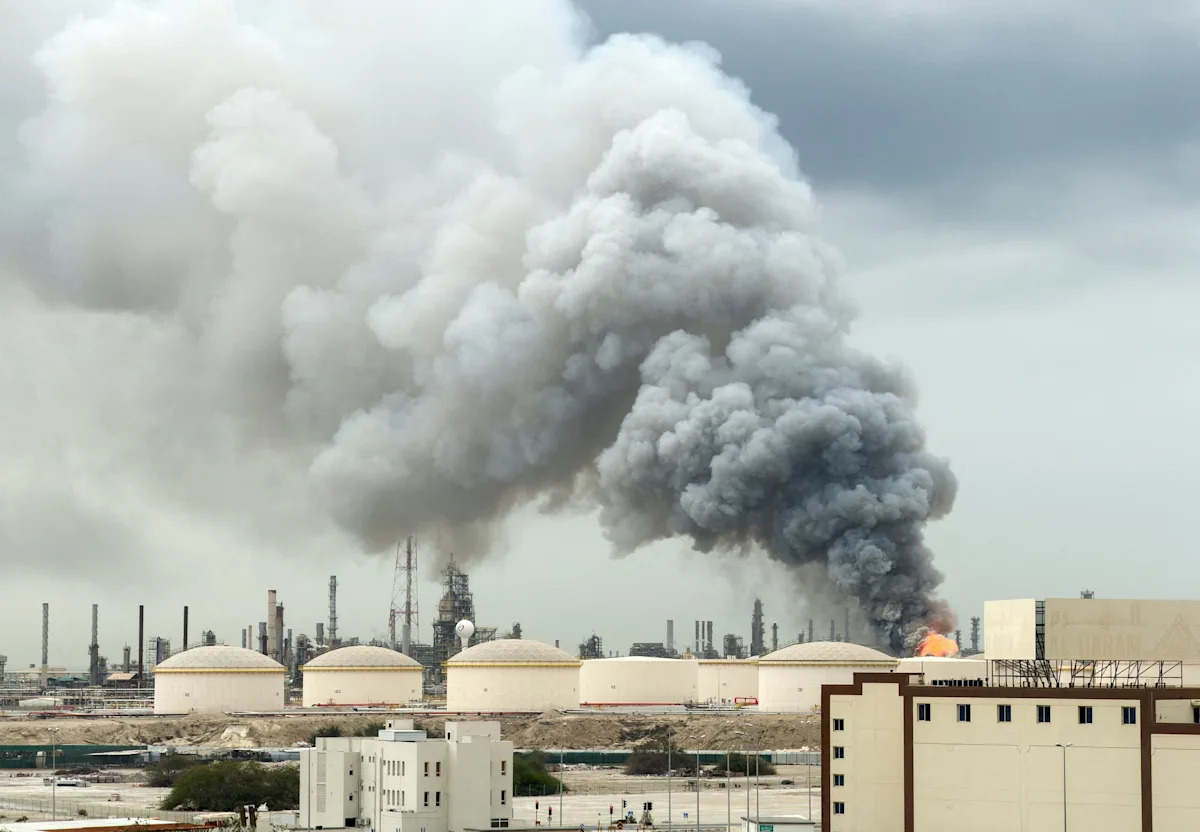
Geopolitical developments further contributed to market instability. Ongoing conflicts in the Middle East, including escalations in Iran and the potential closure of the Strait of Hormuz, have led to supply chain disruptions and a surge in oil prices. West Texas Intermediate crude futures hovered around $94 per barrel, while Brent crude exceeded $100 per barrel during intraday trading, reflecting the market's sensitivity to energy supply risks.
Sector Analysis and Investment Strategies
Energy utilities demonstrated relative strength amid the broader market downturn, benefiting from rising oil and gas prices. However, sectors such as industrials and consumer discretionary faced significant pressure, with investors rotating away from these risk-sensitive areas. Health care also underperformed, reflecting broader concerns about economic stability.
Analysts recommend a cautious approach to energy investments, suggesting that investors neutralize overextended positions in the sector. Financials have emerged as a preferred area of focus due to their underperformance in recent months and potential upside as interest rate expectations stabilize. Additionally, industrials and utilities are seen as favorable long-term plays, particularly as geopolitical tensions create opportunities for infrastructure investments.
Economic Indicators and Global Markets
Inflation remained a key concern as the PCE index highlighted persistent price pressures. Core inflation rose 3.1% year-over-year, meeting expectations but underscoring the challenges faced by the Federal Reserve in achieving its 2% inflation target. The revised GDP data for Q4 2025 showed a growth rate of 0.7%, down from the initial estimate of 1.4%, reflecting slower economic momentum. These indicators suggest that the Fed is likely to maintain its current interest rate stance in the near term.
Global markets have also been heavily influenced by geopolitical and economic factors. Asian markets closed lower, with the Hang Seng, Nikkei 225, and Kospi all in the red amid concerns over energy prices and supply disruptions. European markets mirrored this trend, opening lower as investors digested inflation data and developments in the Middle East. The broader economic outlook remains uncertain, with volatility expected to persist in the coming weeks.
 Sources




About the author





- Stock Market Today: Dow Jones, S&P 500 Futures Drop Trump Threatens Iran 'Watch Happens'—Adobe, Mosa
 benzinga
 - Stock market today: Dow, S&P 500, Nasdaq futures slide stocks sink lowest levels November
 yahoo
yahoo - Stock Market Today: Futures Add Gains PCE Inflation Reading; Oil Prices Pull Slightly Remain Elevate
 investopedia
 - Stock market today: Dow, S&P 500, Nasdaq futures rise oil retreats ahead PCE inflation datayahoo