

Oil Prices Surge Amid US-Iran Tensions
Oil Price Surge and Market Volatility
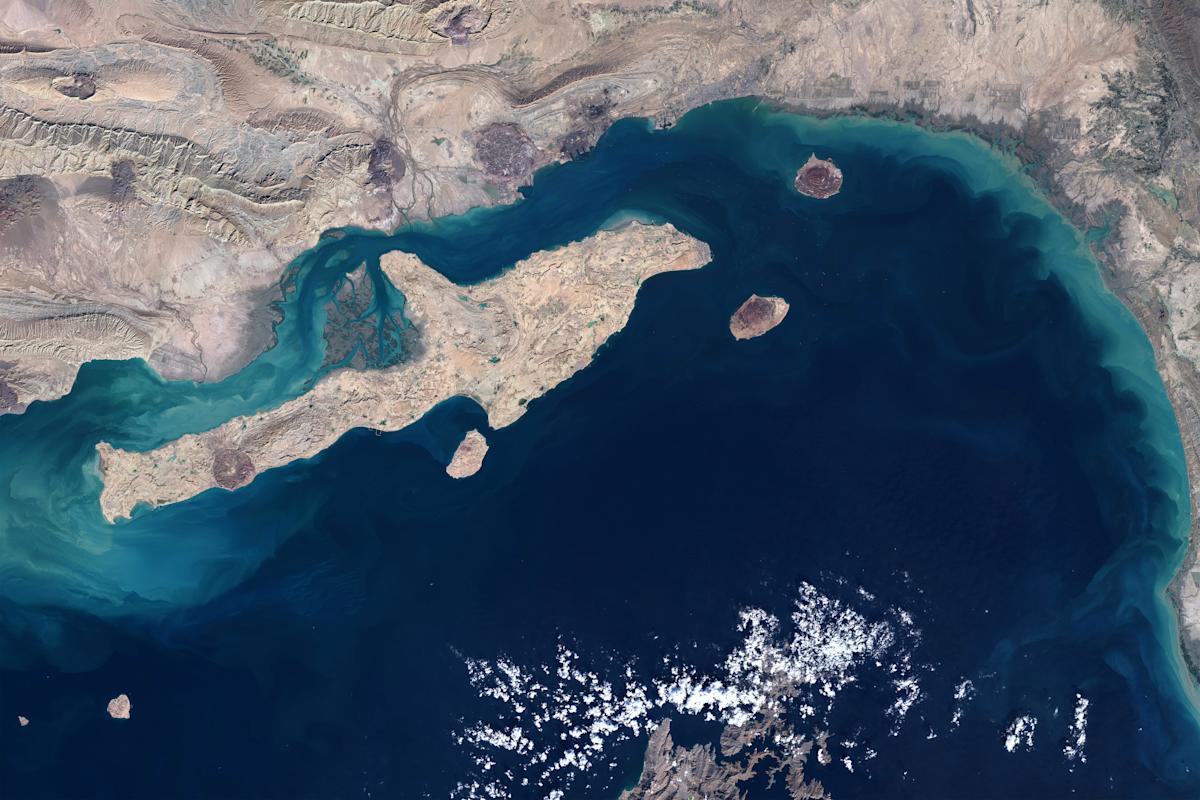
Brent crude and West Texas Intermediate (WTI) prices have experienced significant upward momentum as geopolitical tensions between the US and Iran escalate. Brent crude surged by 2.5% to trade at $111 per barrel, while WTI climbed 3.1% to $115 per barrel in recent trading sessions. These price increases reflect market fears of prolonged disruptions in the Middle East, particularly around the Strait of Hormuz, a vital chokepoint for global oil shipments.
Stock futures have been volatile, with the S&P 500 futures dropping 0.8% and the Nasdaq 100 futures down approximately 1%, as investors assess the broader economic implications of these developments. The Dow Jones Industrial Average futures also fell by 0.7%, equating to a loss of around 340 points. While markets initially dropped sharply, some recovery was observed as investors digested potential ceasefire discussions.
Geopolitical Tensions Impacting Energy Markets
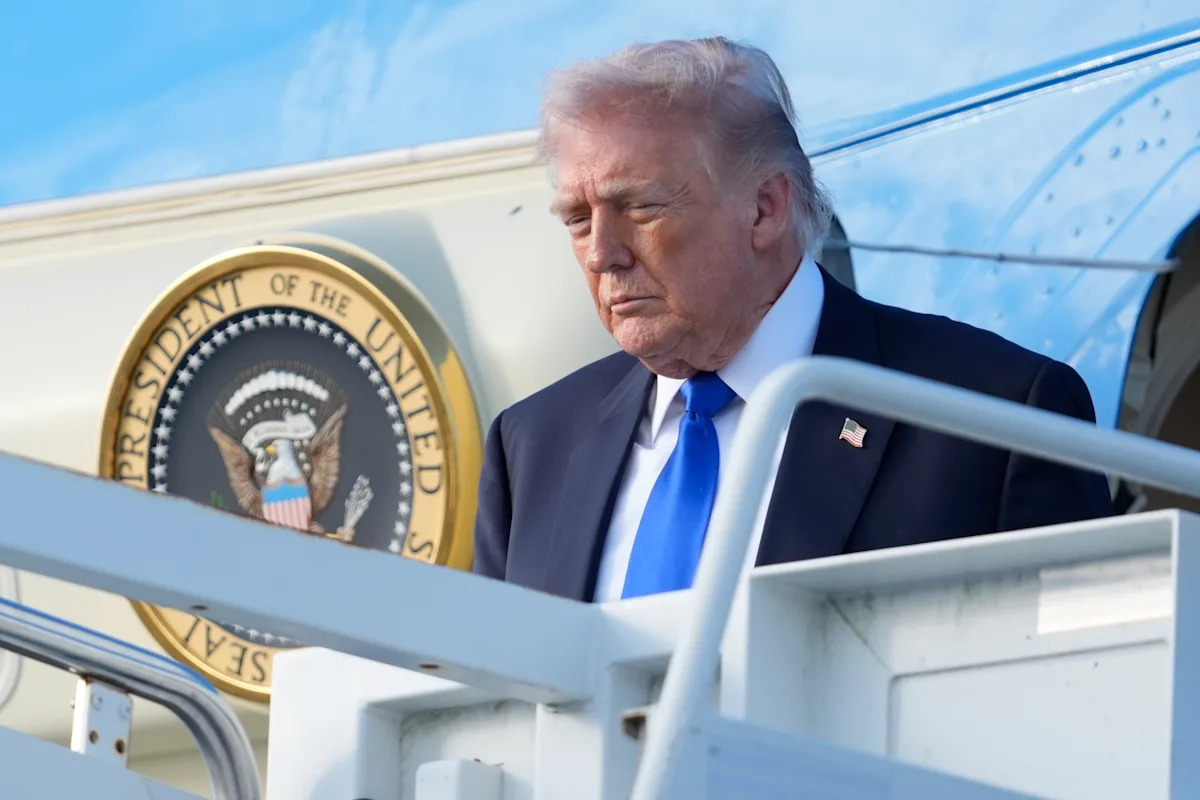
President Donald Trump's recent statements about targeting Iranian infrastructure have further escalated geopolitical tensions. Trump threatened to destroy critical Iranian power plants and bridges unless Tehran reopens the Strait of Hormuz to international shipping. This critical waterway facilitates the transit of approximately 20% of the world's oil supply, and its closure has already disrupted energy markets.
Iran's retaliatory measures have included targeted strikes on energy facilities across the Gulf region, including petrochemical plants in Kuwait and Bahrain. Tehran has also issued warnings of intensified attacks should the US continue its aggressive stance. Amid these developments, OPEC+ has pledged a modest production increase of 206,000 barrels per day for May, but analysts remain skeptical about its ability to offset the supply disruptions caused by the conflict.
Global Economic and Inflationary Concerns
The surge in oil prices is amplifying fears of inflationary pressures on the global economy. Analysts predict that the $1-per-gallon increase in gasoline prices could push monthly inflation rates higher, with some estimates suggesting a 1% rise in the Consumer Price Index for March. This echoes inflationary spikes last seen during the post-pandemic energy recovery in 2022.
Despite OPEC+ agreeing to a production hike, the group's limited spare capacity and ongoing regional instability mean the impact on global oil supply is likely to be minimal. As crude prices hover above $100 per barrel, central banks, including the US Federal Reserve, may face increased challenges balancing inflation control with supporting economic growth. The situation remains precarious, with markets closely monitoring further developments in the Middle East and their potential ripple effects on global economies.
 Sources


About the author



- Oil Gains Trump Escalates Threats, Stocks Waver: Markets Wrap
 yahoo
yahoo - Stock market today: Oil surges, futures fall Trump ratchets threats Iranyahoo
- Oil prices choppy expletive-laden Trump threat Iran
 bbc
bbc