

Kevin Warsh Faces Scrutiny in Senate Hearing
Introduction to Kevin Warsh’s Nomination
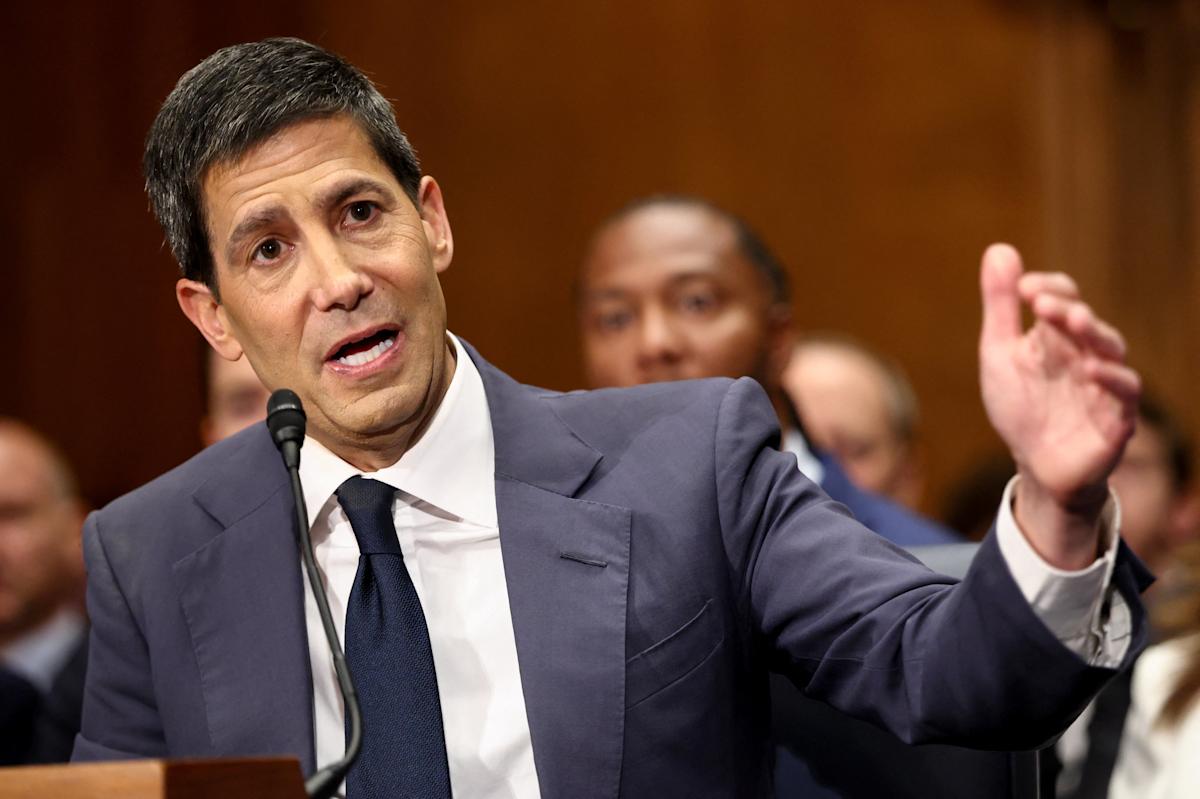
Kevin Warsh, a former Federal Reserve governor and current partner at Duquesne Family Office, has been nominated by President Donald Trump to serve as the next chair of the Federal Reserve. Warsh brings a blend of Wall Street experience and prior central bank service, including his tenure during the 2008 financial crisis. His nomination comes at a pivotal moment, with inflationary pressures persisting and questions about the Fed's independence dominating the conversation.
During his Senate confirmation hearing, Warsh emphasized the importance of maintaining the Federal Reserve’s independence. He stated that monetary policy decisions should be free from political influence, underscoring his commitment to acting in the nation’s interest rather than following directives from elected officials. This focus on independence is especially relevant given recent controversies surrounding the current Fed chair, Jerome Powell, and a federal investigation into his handling of renovations to the central bank’s headquarters.
Contentious Issues in the Hearing
A primary topic during the hearing was the ongoing Department of Justice (DOJ) investigation into Jerome Powell. The probe, which examines allegations of false congressional testimony related to cost overruns for the Federal Reserve’s building renovations, has cast a shadow over Warsh’s nomination. Critics argue that the investigation is politically motivated, given Powell’s clashes with President Trump over interest rate policies.
Warsh also faced direct questions regarding his relationship with President Trump and whether he had agreed to lower interest rates in exchange for the nomination. Republican Senator John Kennedy pressed Warsh on this matter, to which Warsh firmly denied any prearranged deal, stating that he would not commit to specific rate decisions. Warsh reiterated his belief in a data-driven approach to monetary policy, distancing himself from any suggestion of political interference.
Senate Reactions and Political Challenges
The hearing revealed significant bipartisan concerns about the DOJ investigation and its impact on the Federal Reserve’s credibility. Democratic Senator Elizabeth Warren criticized the probe as a tactic to exert pressure on Powell and questioned Warsh’s ability to remain independent under such circumstances. Warren also raised concerns about Warsh’s financial disclosures, further complicating his path to confirmation.
Republican Senator Thom Tillis emerged as a key obstacle to Warsh’s confirmation. Tillis vowed to block the nomination until the DOJ investigation into Powell is resolved, labeling the probe “bogus” and a distraction from pressing economic challenges. His stance reflects broader discomfort among some Republicans about the political overreach into the Federal Reserve's operations, creating a rare instance of bipartisan skepticism toward Warsh's nomination.
Implications for the Federal Reserve’s Future
The uncertainty surrounding Warsh’s confirmation could leave the Federal Reserve without clear leadership as Powell’s term ends on February 15. A delay in Warsh’s approval may hinder the Fed’s ability to respond effectively to economic conditions, particularly as inflation remains above the 2% target and geopolitical tensions contribute to market volatility.
Moreover, the ongoing political scrutiny risks eroding confidence in the central bank’s independence. If confirmed, Warsh would inherit a challenging landscape where maintaining the Fed’s autonomy will require navigating both internal policy debates and external political pressures. His testimony highlighted his intent to recalibrate the Fed’s inflation framework and decision-making processes, which could signal a shift from the Powell-era policies. However, such changes would require consensus-building within the Federal Open Market Committee, adding another layer of complexity to his potential leadership.
 Sources

About the author



- Fed confirmation live: Kevin Warsh faces grilling Senate lawmakers, testifies won't President Trump'
 yahoo
yahoo - 3 takeaways fiery hearing confirm Trump’s Fed chief pickyahoo
- Kevin Warsh testifies deal Trump lower interest rates Fed chairyahoo
- GOP senator block Warsh nomination 'bogus' Powell probe ends
 fox
fox