

Stocks Climb Amid Israel-Lebanon Ceasefire News
Market Performance Highlights
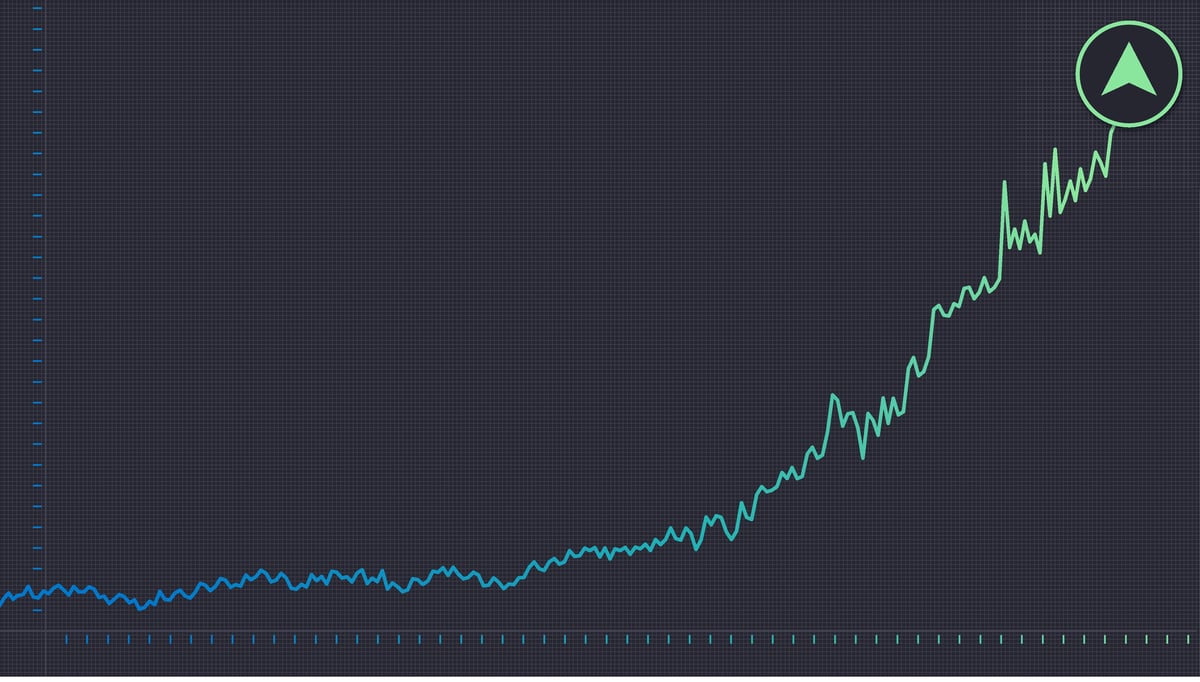
The S&P 500 and Nasdaq Composite both achieved record highs in Thursday's trading session, with the S&P 500 closing above the 7,000 mark for the second consecutive day. The Nasdaq advanced 0.4%, driven by robust gains in large-cap tech stocks, while the Dow Jones Industrial Average rose modestly by 0.2%. Semiconductor and tech stocks led the rally, with the PHLX Semiconductor Sector ETF surging by 30% over the last 12 trading days. Meanwhile, the iShares Expanded Tech-Software Sector ETF gained 12% in the same period, showcasing the tech sector's dominance in market momentum.
While semiconductors have been the backbone of recent gains, software stocks are catching up, reflecting broader participation across tech subsectors. However, individual companies such as Taiwan Semiconductor Manufacturing Company (TSM) faced setbacks, with shares dropping 3% despite reporting strong earnings tied to AI demand.
Key Drivers Behind the Rally
The announcement of a 10-day ceasefire agreement between Israel and Lebanon provided a significant boost to investor sentiment, alleviating concerns about the ongoing Middle East conflict. The ceasefire, which emerged as part of indirect negotiations involving the U.S. and Iran, raised hopes for a de-escalation in regional tensions.
Corporate earnings also played a pivotal role in bolstering the markets. Notable reports included PepsiCo and Taiwan Semiconductor, both of which exceeded expectations on earnings and revenue. Additionally, initial jobless claims fell to 207,000 for the week ending April 11, beating economists' estimates of 213,000. This decline in unemployment claims signals a resilient labor market, further supporting the bullish sentiment.
Broader Economic and Geopolitical Context
The Middle East conflict has significantly influenced energy markets, with Brent crude rising 3.4% and West Texas Intermediate crude gaining 2.3% on Thursday. The International Energy Agency warned of potential disruptions in global energy supply chains, highlighting Europe's vulnerability to a jet fuel shortage. These developments underscore the critical role geopolitical stability plays in shaping market dynamics.
On the economic front, data provided mixed signals. While jobless claims fell, industrial production declined by 0.5% in March, missing expectations of 0.1% growth. This slowdown in industrial activity raises concerns about the broader health of the manufacturing sector. Despite these uncertainties, the market's focus remains on tech-driven growth and easing geopolitical tensions, fueling optimism for sustained gains in the weeks ahead.
 Sources


About the author




- Stock market today: S&P 500, Dow, Nasdaq rebound Trump says Israel, Lebanon agreed ceasefire
 yahoo
yahoo - Stock market today: S&P 500, Dow, Nasdaq rebound Trump says Israel, Lebanon agreed ceasefireyahoo
- Stock market today: Dow rises, S&P 500 Nasdaq notch fresh records war resolution hopes growyahoo