

Strait of Hormuz Ceasefire Sparks Shipping Uncertainty
Current State of the Strait of Hormuz
Following a fragile ceasefire announced by Iran, the Strait of Hormuz remains a critical chokepoint with limited shipping activity. Ship-tracking data indicates only a small number of vessels have cautiously exited the region, while approximately 800 freighters remain stranded within the Gulf. This is a stark contrast to the usual daily traffic of about 135 ships. Despite the ceasefire, uncertainties persist as shipowners and insurers assess the safety of navigating this vital waterway.
Reports suggest that Iran has emphasized a precondition for safe passage requiring coordination with its armed forces. However, ambiguity over the ceasefire's implementation and fears of renewed conflict have kept many vessels on standby. Meanwhile, the International Maritime Organization (IMO) and other global maritime stakeholders are closely monitoring the situation, urging swift actions to ensure crew safety and clear transit mechanisms. The resolution of these issues is paramount for restoring normal shipping flows through this strategically significant route.
Iran's Role and Navigation Challenges
Iran's insistence on tolls and its demand for coordinated transit under the supervision of its armed forces have complicated navigation through the Strait of Hormuz. Tehran has proposed a fee structure reportedly amounting to $2 million per vessel, adding financial and operational hurdles for shipowners. Additionally, Iran’s control of strategic points along the waterway, such as the Larak and Qeshm islands, has heightened concerns about potential bottlenecks and delays.
Shipowners and insurers remain cautious, citing a lack of clarity on the terms of the ceasefire and Iran's navigation requirements. Many vessels have sought advice from security consultants and insurers before committing to transit. This hesitation is further compounded by past incidents of conflict in the region, which have underscored the risks to crew safety and cargo integrity. Until clear guidelines and assurances are provided, the situation is likely to remain tenuous, with many shipping companies opting to avoid the strait altogether.
Global Implications and Oil Market Reactions
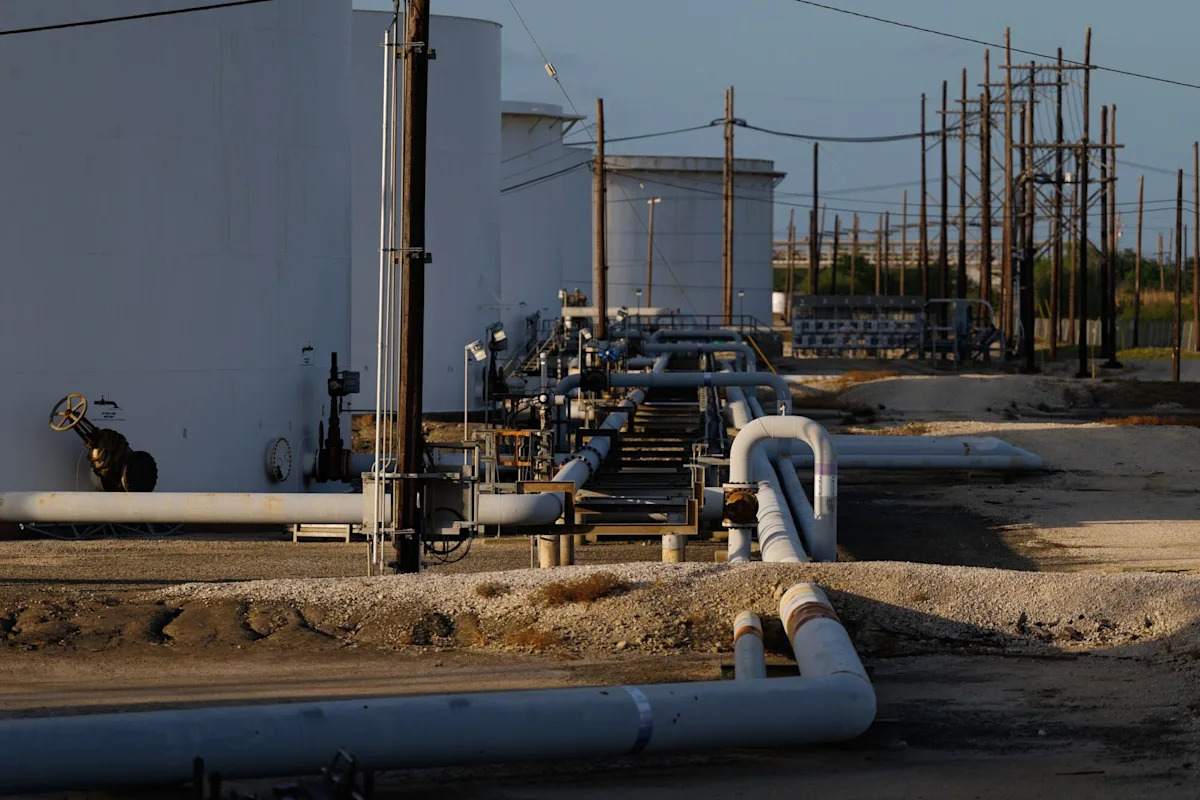
The disruption in the Strait of Hormuz has had profound implications for global oil markets and energy supply chains. The strait, which facilitates the transit of nearly one-fifth of the world's oil, has become a focal point for market volatility. Oil prices initially spiked amid fears of prolonged disruption but have since seen some stabilization following the announcement of the ceasefire. Analysts suggest that prices could drop further if the tentative reopening leads to increased shipping activity and a resumption of oil flows.
Energy companies and traders are closely watching developments, with many adopting a wait-and-see approach. The uncertainty surrounding Iran's toll demands and the risk of renewed hostilities have kept market sentiment cautious. A prolonged stalemate could exacerbate supply chain disruptions, particularly in Asia and Europe, which are heavily reliant on energy imports via the strait. In the meantime, some countries have turned to alternative suppliers, while others have drawn down strategic reserves to mitigate immediate shortages. The resolution of these challenges will be critical in determining the long-term impact on global energy markets.
 Sources



About the author



- Hormuz Stays Blocked Hundreds Ships Seek Exit
 yahoo
yahoo - Oil tankers reportedly moving Strait Hormuz, CEO says, prices slide
 fox
fox - Strait Hormuz immediately major flash point Trump's 'fragile' ceasefireyahoo
- Oil Rises in Choppy Session as Saudi Supplies Hit By Attacksyahoo