

Oil Prices Steady Amid US-Iran Ceasefire Talks
Ceasefire Extension and Blockade Impact
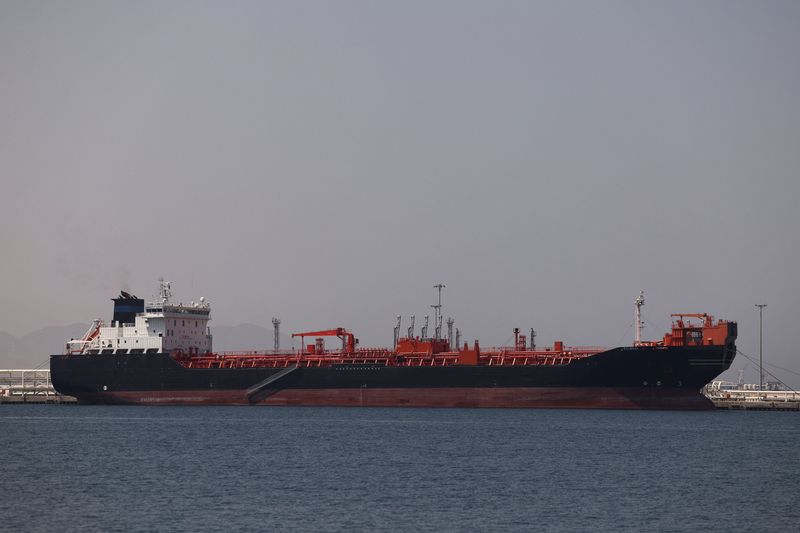
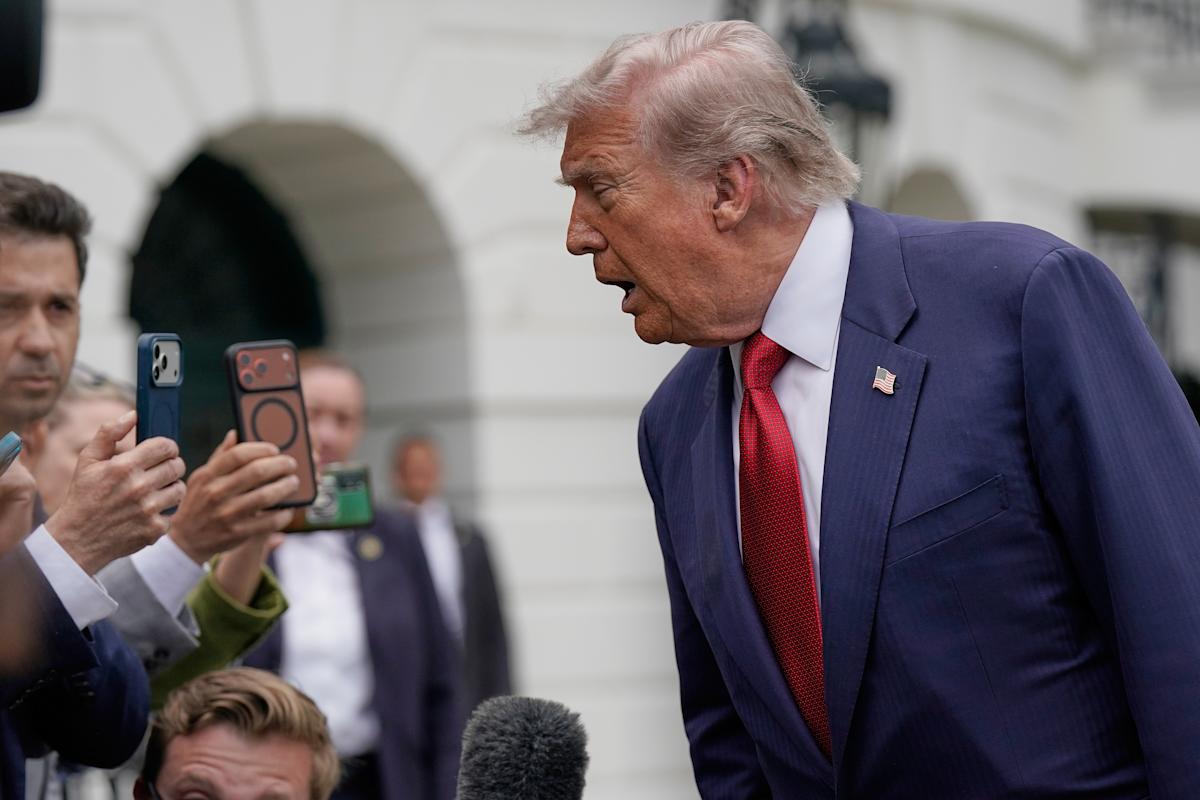
President Donald Trump’s announcement to extend the US-Iran truce has introduced a mix of cautious optimism and lingering uncertainty in global markets. The extension comes amid heightened tensions and a continued blockade of the Strait of Hormuz, a critical chokepoint for global oil transit, responsible for nearly 20% of the world's crude supply. The blockade has significantly disrupted shipping lanes, leaving oil tankers stranded and reducing crude flow to international markets.
This geopolitical stalemate has created a bottleneck effect, elevating concerns about supply chain stability. Analysts have noted that while the ceasefire extension avoids immediate escalation, the ongoing blockade maintains pressure on oil markets. Iran’s declaration of readiness to confront the blockade by force further complicates the situation, as it raises the possibility of military engagement in the region. The lack of resolution over this critical shipping route has left energy traders and policymakers on edge, signaling continued volatility in the near term.
Market Reactions and Price Trends
The oil market has responded with pronounced price fluctuations. Brent crude, the global benchmark, briefly surged past $100 per barrel earlier this week before retreating to $98.51. Similarly, West Texas Intermediate (WTI) climbed above $90 before settling at $89.53 during Asian trading hours. Both benchmarks recorded a 3% rise earlier this week, driven by fears of prolonged supply disruptions.
Investor sentiment remains mixed, as the extension of the ceasefire provides a temporary reprieve, but uncertainty over the blockade's resolution continues to weigh on market confidence. With the Strait of Hormuz remaining largely closed, crude flows are constrained, leaving traders to speculate on potential outcomes. Analysts suggest that unless a clear resolution emerges, oil prices are likely to remain elevated, exacerbating inflationary pressures globally.
Future Implications for Oil Markets
The outcome of US-Iran peace talks holds significant implications for the future of oil markets. A successful resolution could lead to the reopening of the Strait of Hormuz, easing supply constraints and stabilizing crude prices. However, ongoing disputes over sanctions, Iran's nuclear ambitions, and regional security issues present considerable challenges to achieving a lasting agreement.
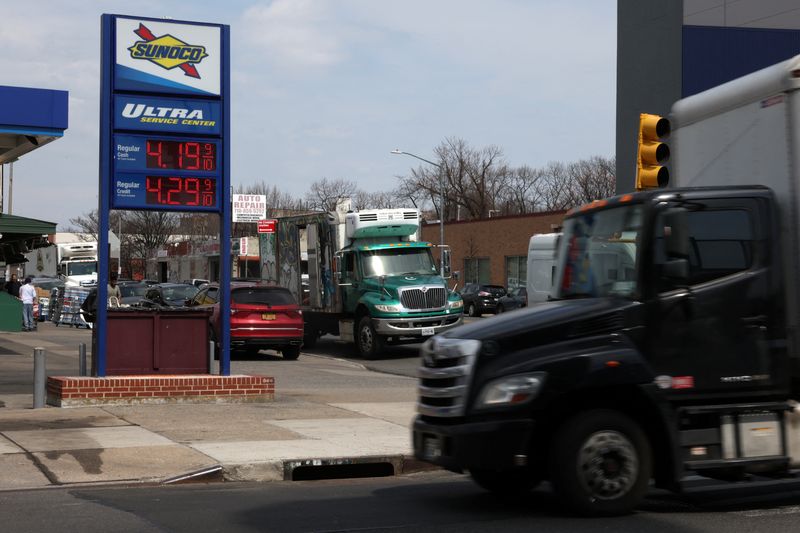
Prolonged high oil prices, driven by geopolitical instability and restricted supply, pose broader economic risks. Elevated energy costs could dampen global economic growth, particularly for energy-importing nations, while exacerbating inflationary pressures in major economies. The uncertainty surrounding the negotiations and the blockade underscores the precarious balance of global energy markets, where geopolitical events have an outsized influence on price trends and economic stability.
 Sources


About the author





- Oil Holds Advance Trump Extends Truce Maintains Blockade
 yahoo
yahoo - Oil prices barely moved investors assess outlook US-Iran peace talksyahoo
- Oil Falls Iran Says Received Sign End Blockadeyahoo