

Markets Steady Amid Middle East Tensions
Stock Market Performance Amid Geopolitical Uncertainty
The U.S. stock market saw modest gains as geopolitical developments in the Middle East remained the primary driver of investor sentiment. The S&P 500 rose by 0.4%, the Dow Jones Industrial Average gained 0.3%, and the Nasdaq Composite advanced 0.5%. These indices recovered from overnight losses, spurred by concerns over escalating tensions in the Strait of Hormuz. Reports of renewed diplomatic efforts to broker a ceasefire between conflicting parties provided a glimmer of hope, which helped stabilize equities.
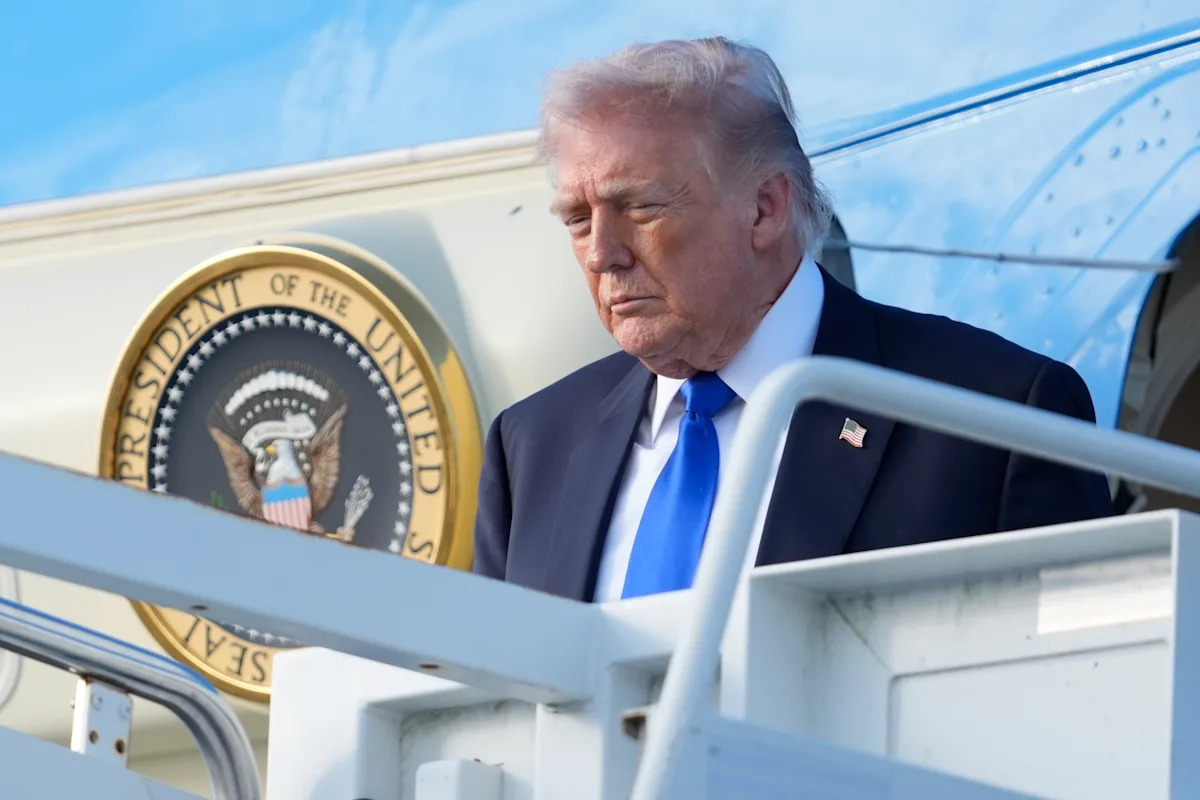
Investors showed cautious optimism as international mediators proposed a 45-day halt in hostilities, potentially alleviating risks of broader market disruptions. Despite the recovery, market sentiment remains fragile as the situation evolves, with significant attention on the looming deadline for a resolution, as set by U.S. President Trump.
Oil Prices and Geopolitical Tensions
Oil prices experienced volatility amidst fluctuating signals from the Middle East. Brent crude futures climbed to $110 per barrel, while West Texas Intermediate (WTI) crude reached $112 per barrel, a slight increase of 1% in afternoon trading. The Strait of Hormuz, a critical chokepoint for global oil transport, continues to see restricted traffic, with reports indicating a potential loss of 13.5 to 14.5 million barrels per day in the global supply chain.
The situation has raised inflationary concerns, as prolonged disruptions in oil flows could further elevate fuel prices. Current gasoline prices in the U.S. have already risen to an average of $4.12 per gallon, with California seeing rates exceed $5.92 per gallon. Analysts warn of further price increases if the blockade persists beyond mid-April. However, the potential for a ceasefire agreement could help stabilize energy markets in the coming weeks.
Economic and Market Outlook
Looking ahead, investors are closely monitoring inflation data and corporate earnings reports for additional clarity on the economic outlook. The March Consumer Price Index (CPI) report, expected later this week, is anticipated to show a 1% month-over-month increase, up from 0.3% in February. Rising energy costs due to geopolitical tensions are likely to be reflected in these figures, further complicating the Federal Reserve’s monetary policy approach.
Additionally, corporate earnings from key companies, including Delta Air Lines, are expected to provide insights into how firms are navigating increased energy costs and consumer uncertainty. Broader geopolitical risks continue to pose challenges to global markets, with concerns over inflation, supply chain disruptions, and potential recessions weighing on investor confidence. While equities have shown resilience, market participants remain vigilant as geopolitical developments unfold.
 Sources



About the author



- Stock market today: stocks rise, oil falls hopes emerge end Middle East hostilities
 yahoo
yahoo - Oil Climbs Amid Trump’s Threats Stocks Whipsaw: Markets Wrapyahoo
- Stock market today: stocks rise hopes emerge end Middle East hostilitiesyahoo
- Stock market today: Dow, S&P 500, Nasdaq gain ahead Trump deadline Iran dealyahoo