

March Inflation Report Shakes Markets Amid Iran Crisis
March Inflation Report and Market Reactions
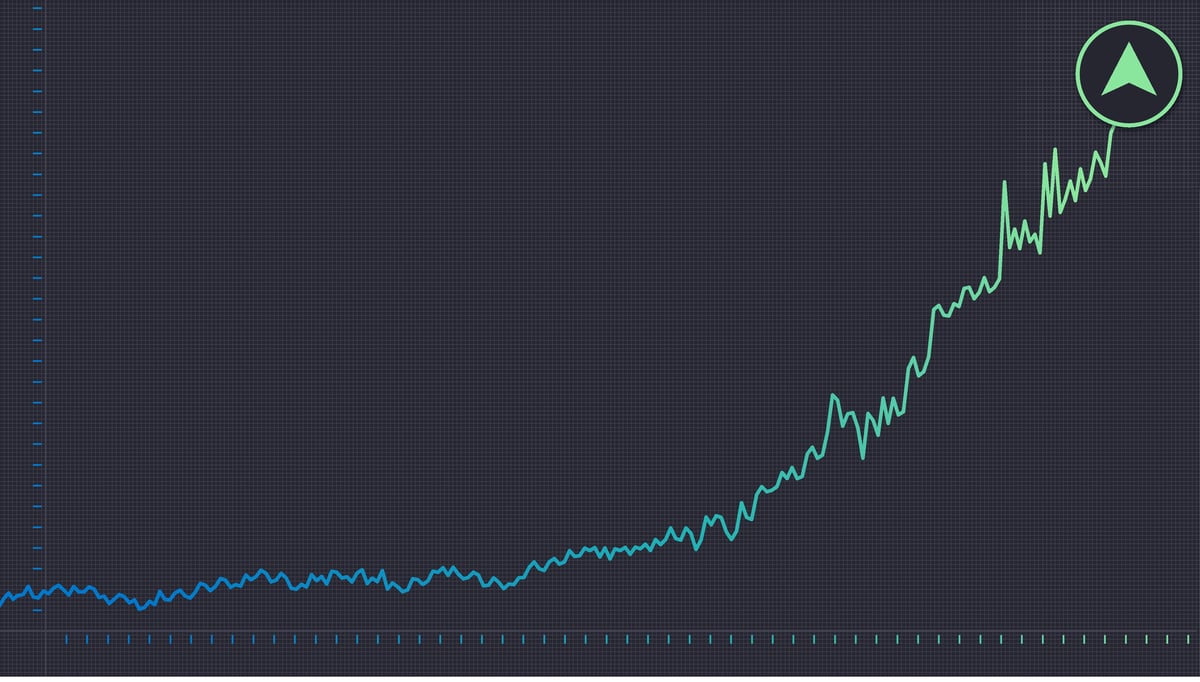
The March inflation report revealed a sharp increase in consumer prices, with the annual inflation rate rising to 3.3%, up from February’s 2.6%. This marked the largest monthly gain since 2022, driven primarily by soaring energy costs resulting from geopolitical tensions. The report has heightened concerns about the Federal Reserve’s monetary policy trajectory, as higher inflation could prompt a shift away from its current easing cycle.
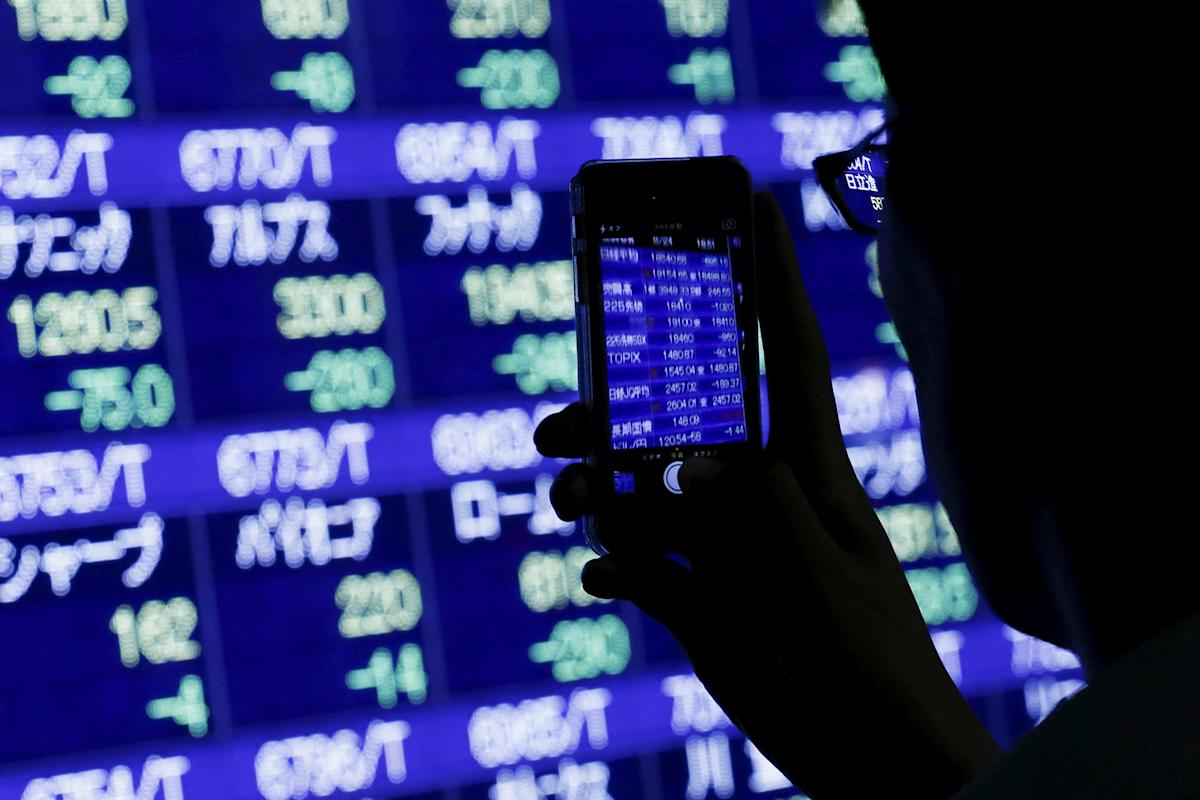
Markets reacted cautiously to the data. The Dow Jones Industrial Average, S&P 500, and Nasdaq Composite showed mixed performance as investors weighed the implications of persistent inflation on corporate earnings and consumer demand. Rising costs could pressure profit margins across sectors, particularly in industries reliant on energy-intensive operations. However, the tech-heavy Nasdaq has shown resilience, buoyed by optimism around AI-related investments.
Iran Conflict's Role in Rising Energy Prices
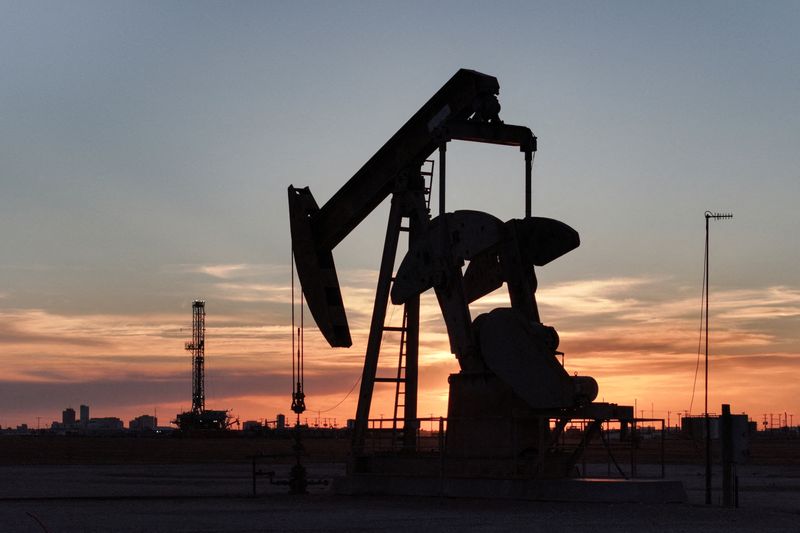
The blockade of the Strait of Hormuz by Iran has caused significant disruption to global oil supply chains. As one of the most critical chokepoints for energy exports, the Strait’s closure has led to a sharp increase in crude oil prices, with West Texas Intermediate crude nearing $100 per barrel.
This disruption has directly impacted U.S. gasoline prices, which have surged to an average of $4.09 per gallon for regular fuel, up nearly $1 from the previous month. Diesel prices have also climbed, reaching $5.53 per gallon. Higher energy costs are straining consumer budgets, reducing disposable income, and increasing transportation and production costs for businesses. These dynamics may further dampen consumer spending, which is a critical driver of the U.S. economy.
Federal Reserve and Economic Policy Outlook
The inflation spike has put the Federal Reserve’s monetary policy under scrutiny. The Cleveland Federal Reserve’s Inflation Nowcasting tool projects inflation to remain elevated, challenging the central bank’s strategy of rate cuts aimed at stimulating economic growth.
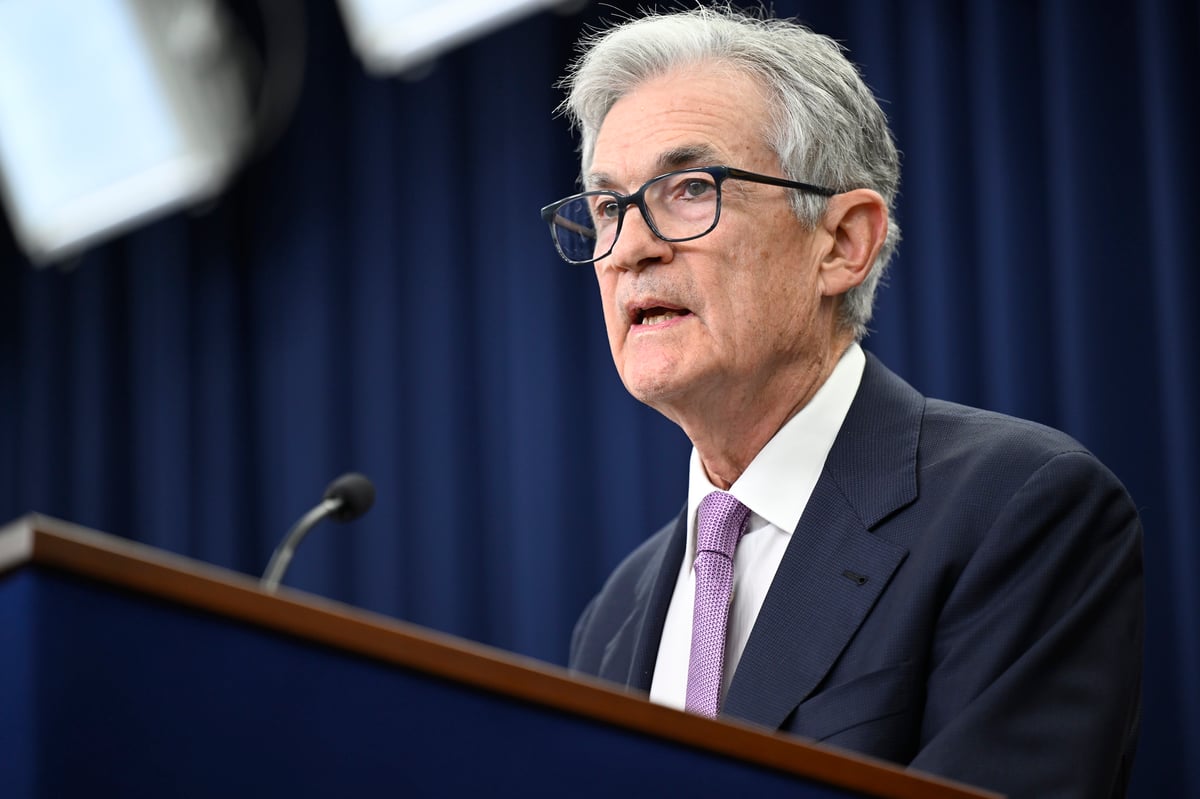
If inflationary pressures persist, the Fed may consider pausing or even reversing its rate-easing measures. Higher borrowing costs would have significant implications for Wall Street’s ongoing AI-driven rally, as elevated interest rates could slow down investments in AI infrastructure and innovation. Moreover, higher rates could curtail consumer borrowing, dampening overall economic activity. Investors are closely monitoring Fed Chair Jerome Powell’s remarks for any signals of a policy shift.
Geopolitical Tensions and Stock Market Uncertainty
The fragile ceasefire between the U.S., Israel, and Iran has introduced a layer of uncertainty for financial markets. Scheduled peace talks over the weekend could either pave the way for de-escalation or exacerbate tensions if negotiations falter.
Investor sentiment remains cautious as geopolitical risks persist. The potential for prolonged conflict and further supply chain disruptions weighs heavily on market outlooks. While some sectors, like energy, may benefit from elevated prices, broader market uncertainty could lead to heightened volatility. Markets are particularly sensitive to any developments regarding the Strait of Hormuz, as its reopening would be a critical signal for stabilizing global energy supplies.
 Sources


About the author




- Huge Imminent Stocks, Consequential Data Release Year Hours Away
 fool
fool - Stock market today: Dow, S&P 500, Nasdaq futures stall Strait Hormuz blocked ahead peace talks
 yahoo
yahoo - Stock market today: Dow, S&P 500, Nasdaq futures nudge CPI inflation soars, Iran-US talks loomyahoo