

Trump Urges Peace Talks Amid Strait of Hormuz Crisis
Strait of Hormuz Closure and Global Impact
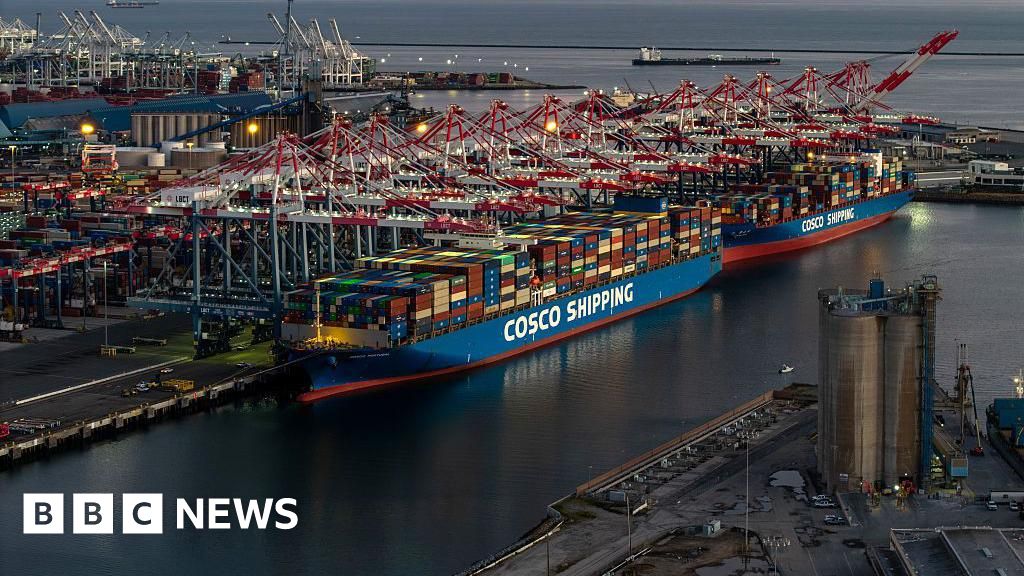
The Strait of Hormuz is a vital chokepoint for global energy markets, with approximately 20% of the world's oil and a significant portion of liquefied natural gas passing through this narrow waterway. The recent hostilities have led to a near-total halt in shipments, causing significant disruptions to energy supply chains. This closure has amplified fears of prolonged energy shortages, with the market closely watching developments.
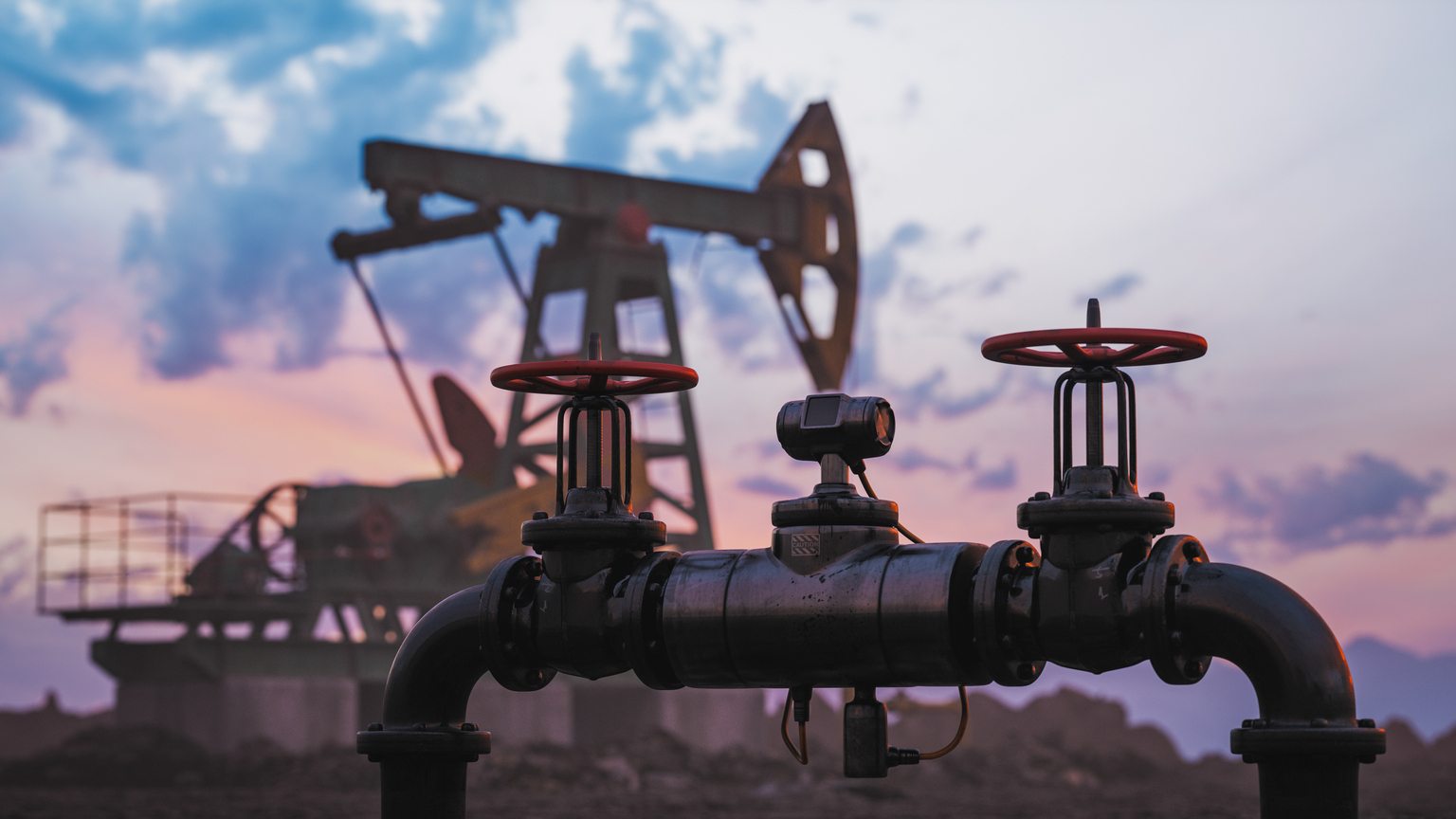
Crude oil prices have experienced sharp volatility amid the uncertainty. Brent crude, a global benchmark, swung between $96 and $113 per barrel in recent trading sessions, reflecting the market's sensitivity to news on the waterway. Similarly, West Texas Intermediate crude saw substantial fluctuations, trading around $90 per barrel at its lowest point. The prospect of prolonged disruptions has also fueled concerns about inflationary pressures on both energy and food supplies, given the ripple effects on transportation and production costs globally.
Trump's Approach to Peace Talks with Iran
President Trump has opted to delay military action against Iran's energy infrastructure, citing ongoing "productive conversations" with Iranian representatives. By postponing strikes, the administration aims to de-escalate tensions and create an opportunity for diplomatic resolution. This strategy aligns with Trump's broader goal of addressing Iran's nuclear ambitions, with reports indicating that the discussions include a potential agreement to limit uranium enrichment.
A notable aspect of the negotiations is the proposed joint control of the Strait of Hormuz. Such an arrangement, if realized, could stabilize the region and restore regular shipping flows. However, the details remain vague, and the success of these talks hinges on both parties reaching a consensus on critical issues, including Iran's nuclear program and regional security guarantees. This approach underscores a shift toward diplomacy, though skepticism remains given the history of strained U.S.-Iran relations.
Geopolitical Reactions and Risks
The U.S.'s Gulf allies have expressed concern over the potential consequences of escalating the conflict with Iran. Countries such as Saudi Arabia, the UAE, and Oman have warned that a protracted war could destabilize the region further, potentially resulting in a failed state scenario for Iran. Such an outcome would have far-reaching implications, including heightened risks to global energy markets and increased refugee flows.
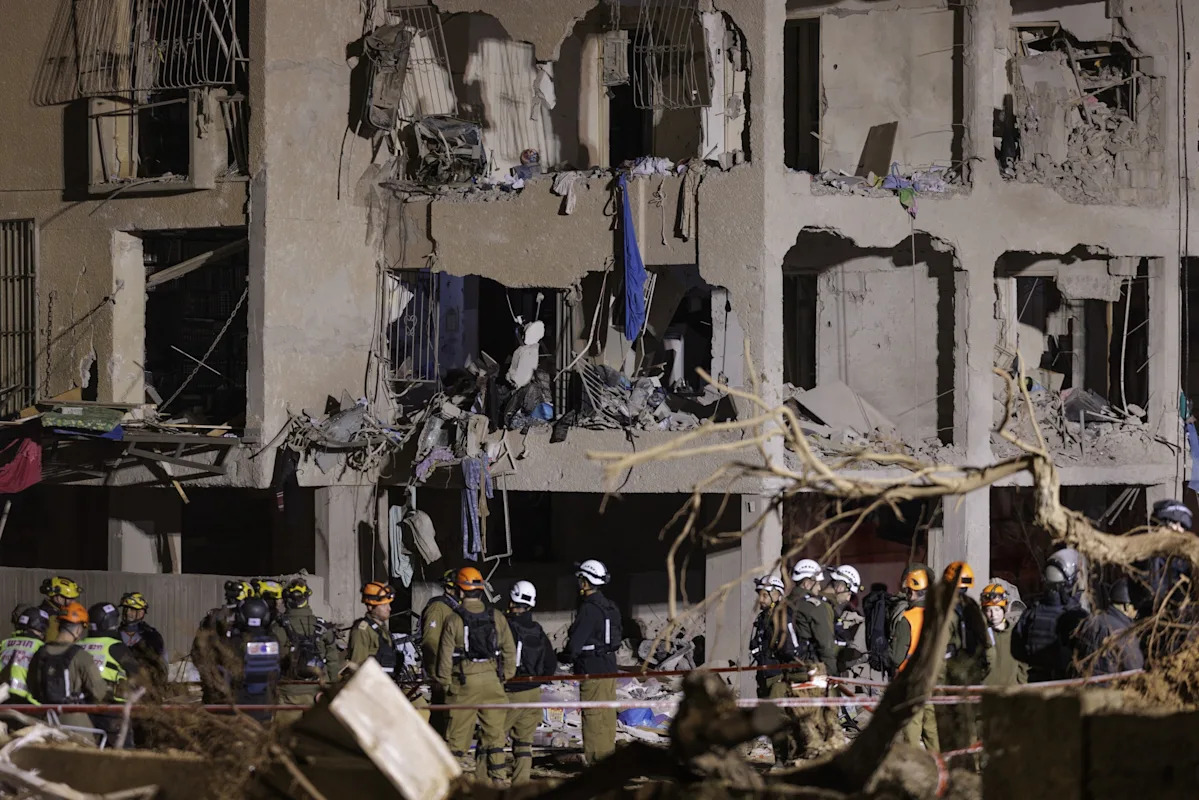
Despite the temporary halt in strikes, the situation remains precarious. Regional actors are engaging in backchannel diplomacy, with nations like Turkey and Pakistan facilitating indirect talks. However, the lack of direct communication between the U.S. and Iran has raised doubts about the likelihood of a swift resolution. Globally, markets remain on edge, with investors wary of the broader implications for energy prices and geopolitical stability. The unfolding negotiations carry significant stakes, not just for the Middle East, but for the global economy at large.
 Sources


About the author



- Trump suggests Strait Hormuz stay closed peace talks Iran coming days
 yahoo
yahoo - Trump Holds Energy Strikes, Sets Days Iran Talksyahoo
- Trump Began Iran Talks Allies Warned War Risked Disasteryahoo