

Stocks Soar as Trump Pauses Iran Strikes
Market Rebound Amid De-escalation Signs
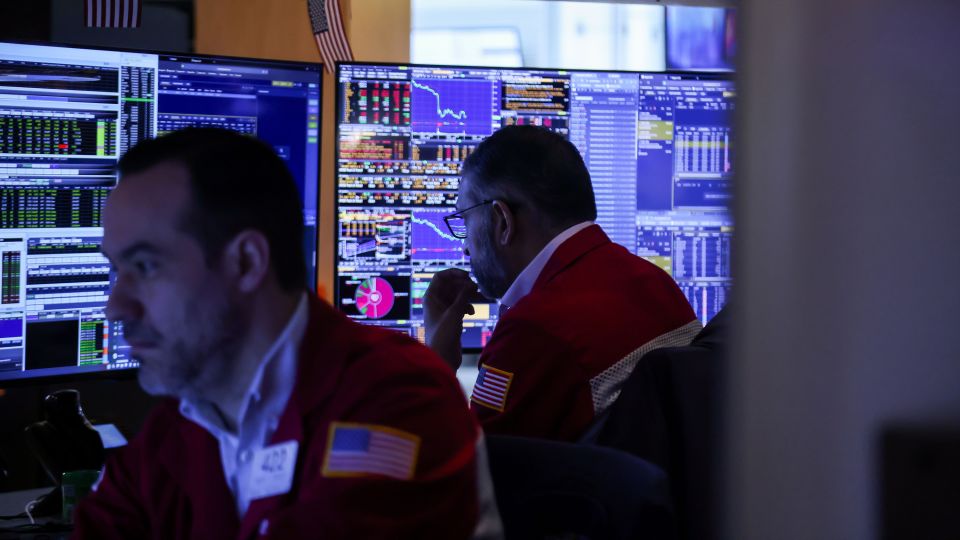
U.S. markets surged on Monday following President Donald Trump's announcement to delay military strikes on Iran, a move that eased investor concerns over potential escalation in the Middle East. The Dow Jones Industrial Average gained 600 points, or approximately 1.8%, while the S&P 500 rose 1.5%. The tech-heavy Nasdaq Composite also climbed 1.6%, benefiting from improved market sentiment. The decision to postpone strikes, attributed to "productive discussions" with Iran, sparked optimism among investors, reversing some of the previous week's losses triggered by geopolitical tensions.
Market participants welcomed the de-escalation, which temporarily reduced fears of supply disruptions and broader conflict in the region. Analysts noted that while the rebound provided a short-term boost, sustained market recovery would depend on tangible progress in geopolitical negotiations and clearer signals from the Federal Reserve on potential policy adjustments in response to ongoing economic uncertainty.
Oil Prices Tumble Following Trump's Announcement
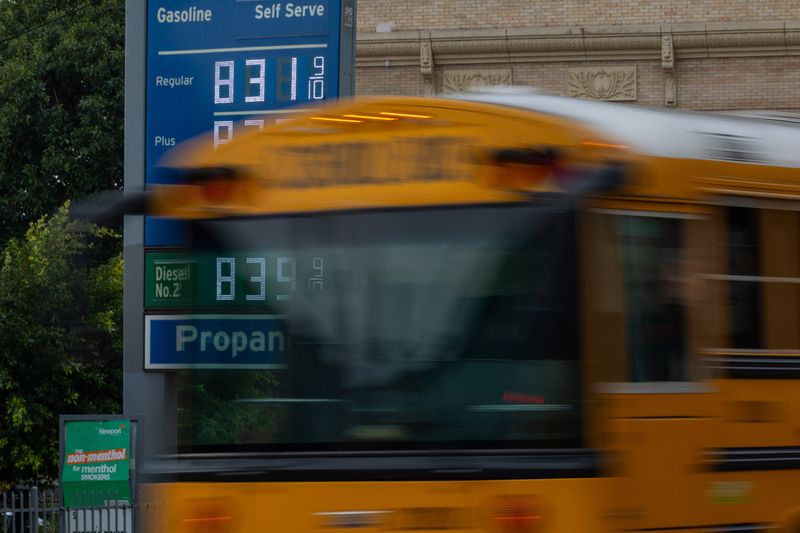
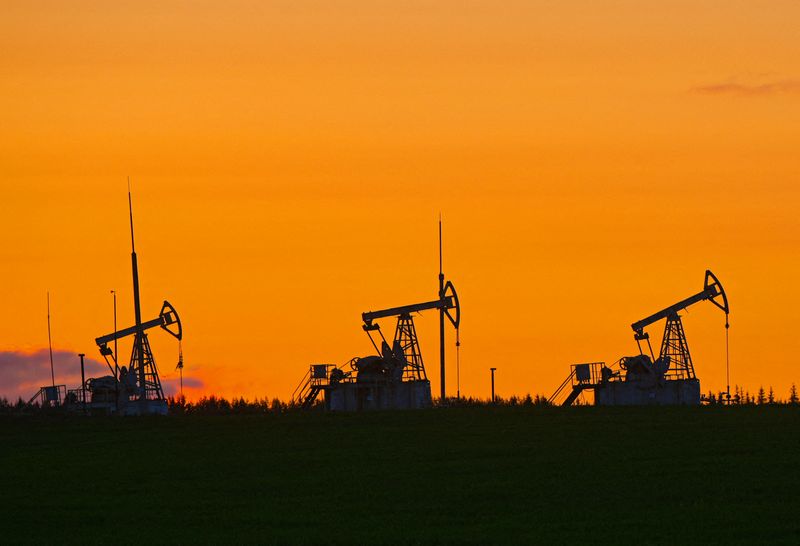
Oil prices plummeted after Trump's announcement to delay military action, alleviating immediate concerns over disruptions in the Strait of Hormuz, a key chokepoint for global oil shipments. Brent crude dropped 10% to $100.84 per barrel, while West Texas Intermediate (WTI) fell 9% to $89.43 per barrel. Despite these declines, prices remain elevated compared to pre-conflict levels, reflecting underlying supply risks.
The Strait of Hormuz remains a critical point of focus, as it accounts for approximately 20% of the world’s oil supply. Although Trump's statement hinted at progress, the situation on the ground remains fluid, with intermittent reports of ongoing tensions. Analysts warn that any renewed escalation could reverse the recent declines in oil prices, underscoring the market's sensitivity to geopolitical developments.
Geopolitical and Economic Implications
Prolonged uncertainty in the Middle East continues to cast a shadow over global economic stability. Analysts highlight that while the current de-escalation has provided some relief, risks remain elevated. Goldman Sachs recently raised its global recession probability to 30%, citing potential energy price shocks and their knock-on effects on inflation and consumer spending. The firm also estimates a 1% increase in global headline inflation due to rising oil prices, potentially shaving 0.4% off global GDP growth.
The Federal Reserve is closely monitoring the situation, as higher energy prices could complicate its efforts to balance inflation control with economic growth. Investors are now turning their attention to the Fed’s upcoming policy decisions, with speculation mounting over possible interest rate cuts in late 2023 if economic conditions deteriorate further. In the meantime, markets remain highly reactive to geopolitical headlines, underscoring the fragile equilibrium between investor optimism and caution.
 Sources


About the author





- Oil drops, stocks soar Trump postpones strikes Iran
 yahoo
yahoo - Stock market today: Dow, S&P 500, Nasdaq surge Trump postpones Iran strikeyahoo
- Stock market today: Dow jumps 600 points, S&P 500, Nasdaq surge Trump signals talks Iran; oil tumbleyahoo