

Stocks Slide as Iran Tensions Escalate
Market Reaction to Escalating Iran Conflict
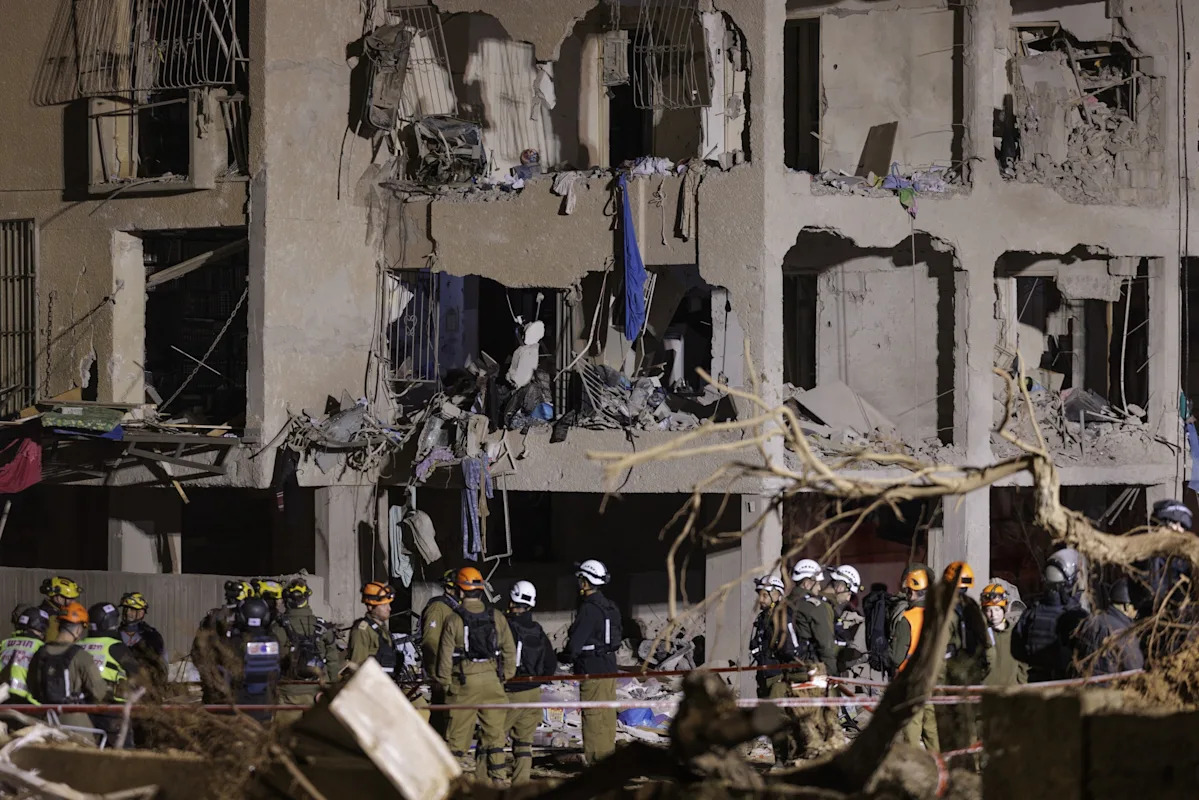
Global equity markets experienced sharp declines as tensions between the U.S. and Iran escalated, particularly impacting Asian indices. The MSCI Asia Pacific Index fell by over 3%, with Japan’s Nikkei 225 dropping 3.4% and South Korea’s Kospi plunging 5%. This selloff was mirrored in European and U.S. futures, signaling a global risk-off sentiment. Investors are increasingly cautious as geopolitical instability compounds existing concerns about inflation and slower economic growth.
Bond markets also saw significant moves, with U.S. Treasury yields climbing to multi-month highs. The yield on the 10-year Treasury rose to 4.40%, reflecting expectations that central banks may maintain or even increase interest rates to counter inflation risks exacerbated by higher energy prices. Market participants remain wary of prolonged uncertainty, which could further erode risk appetite and weigh heavily on global asset valuations.
Impact on Commodities and Energy Supplies
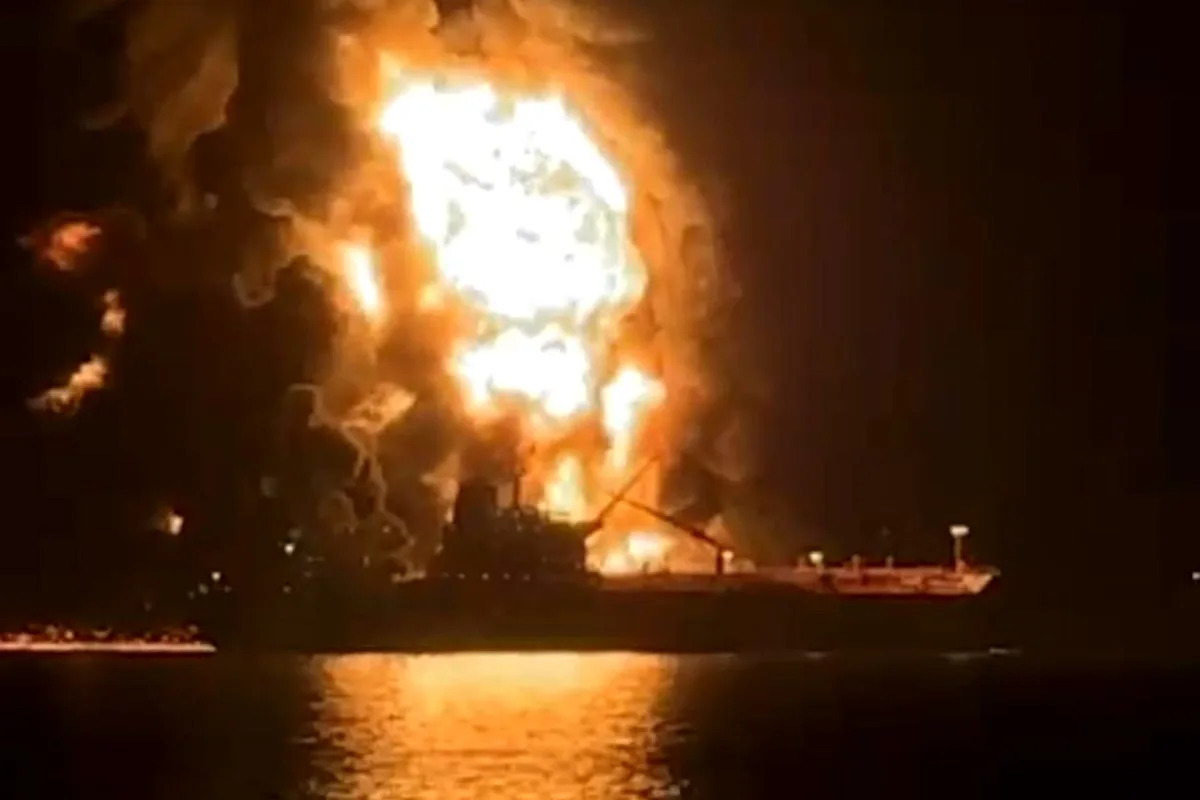
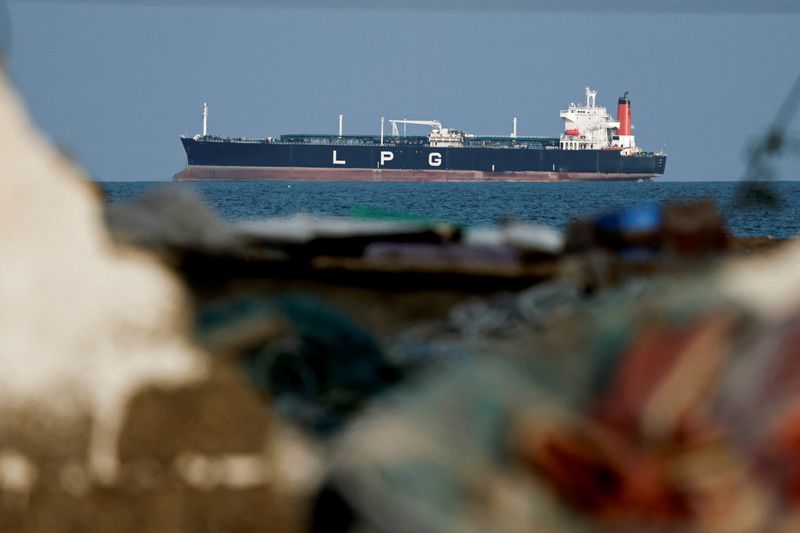
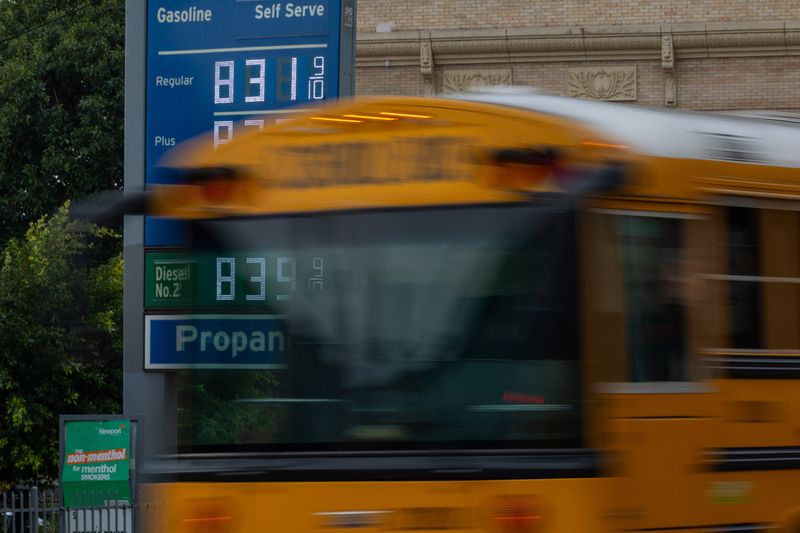
Oil prices were highly volatile as the conflict in the Middle East disrupted flows through the Strait of Hormuz, a critical shipping lane that handles approximately 20% of the world’s oil and liquefied natural gas. Brent crude initially surged by 1.9% but later reversed, trading around $112 per barrel. The fluctuating prices underscore market uncertainty regarding potential supply shortages as geopolitical risks persist.
Gold, traditionally a safe-haven asset, extended its losses, with prices falling 4% to $4,300 per ounce, marking its longest losing streak since late 2023. Cryptocurrencies also saw declines, with Bitcoin trading near $68,000, down 0.6%, as investors shifted focus to traditional hedges like the U.S. dollar, which edged higher. The energy blockade and commodity price swings are expected to ripple across global supply chains, further complicating inflationary pressures.
Broader Economic Concerns Amid Geopolitical Risks
The intensifying geopolitical risks are presenting central banks with a complex policy challenge. On one hand, rising energy prices threaten to reignite inflationary pressures, while on the other, prolonged conflict could dampen global economic growth. Federal Reserve Chair Jerome Powell recently emphasized the need for tangible progress on inflation, suggesting that rate cuts are unlikely in the near term.
Market analysts are predicting heightened volatility across asset classes as investors grapple with the dual risks of inflation and potential economic slowdown. “Duration is the main issue,” said Martin Schulz, head of international equity at Federated Hermes, noting that prolonged uncertainty could severely impact market sentiment. With no immediate resolution in sight, global markets are expected to remain under pressure, and risk-averse strategies may dominate investment flows in the coming weeks.
 Sources

About the author



- Stocks, Treasuries Drop Iran Conflict Escalates: Markets Wrap
 yahoo
yahoo - Asia stocks slide Iran threaten intensify war
 bbc
bbc - Stocks Extend Selloff Trump, Iran Stoke Tension: Markets Wrapyahoo
- Stocks, Bonds Fall US-Iran Rhetoric Intensifies: Markets Wrapyahoo