

Oil Prices Surge Amid Middle East Energy Attacks
Impact of Middle East Tensions on Energy Supply
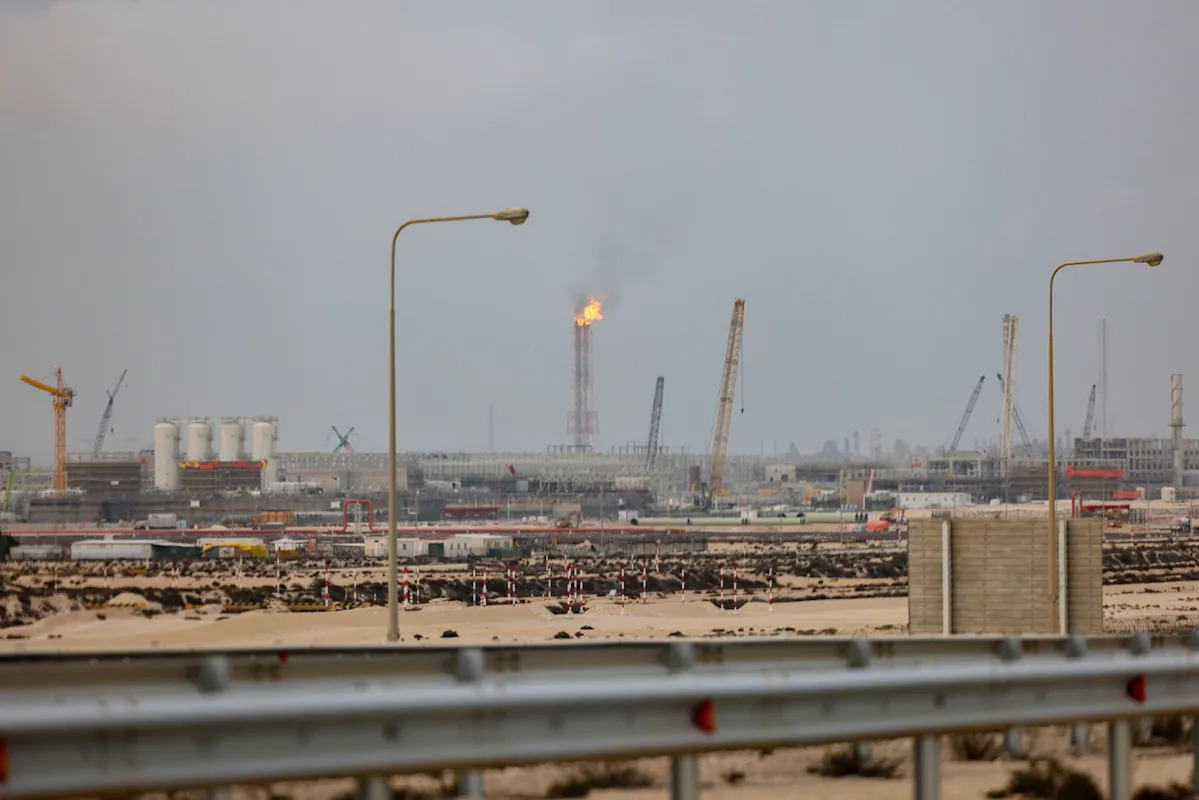
Iranian strikes on pivotal energy infrastructure have severely disrupted global energy supply chains. Key facilities like Qatar's Ras Laffan LNG hub—the largest liquefied natural gas export terminal globally—suffered extensive damage following missile attacks. This has caused QatarEnergy to halt LNG production, impacting nearly 20% of global LNG supply. Additionally, Saudi Arabian refineries, including the SAMREF refinery co-owned by Saudi Aramco and Exxon Mobil, were targeted, leading to temporary outages.
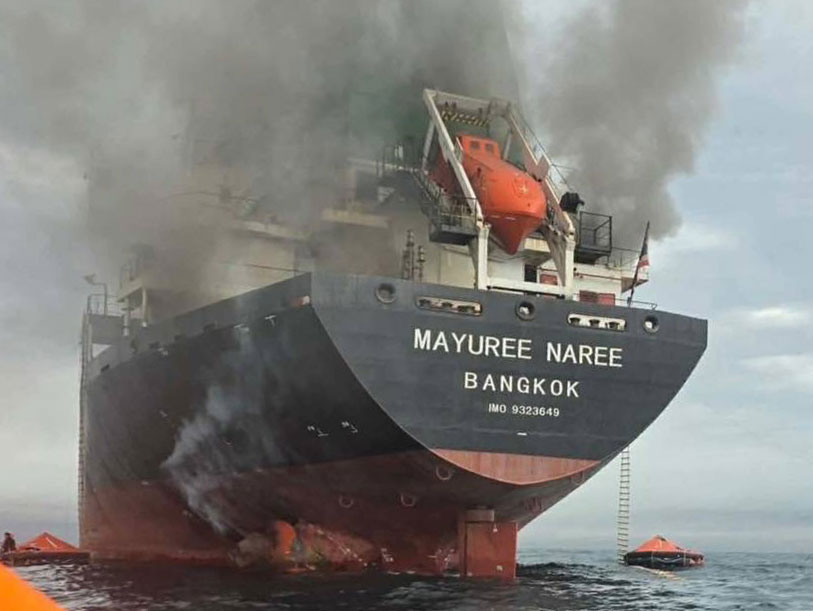
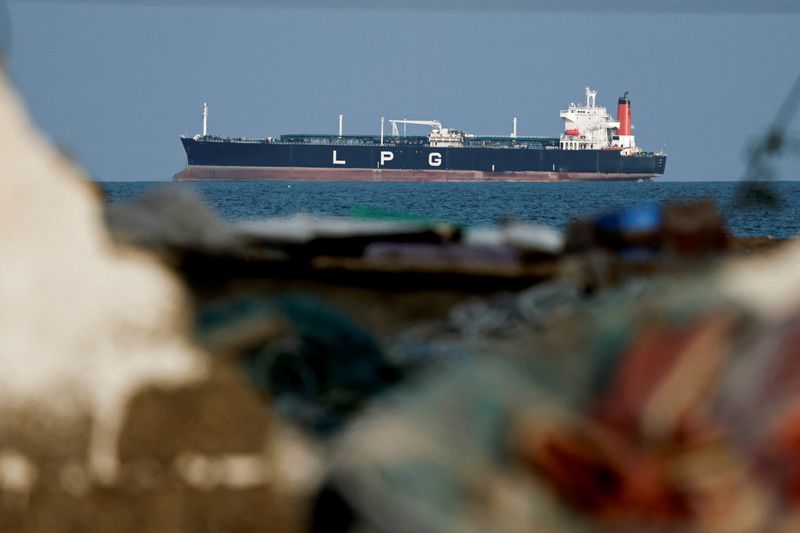
The Strait of Hormuz, a critical chokepoint for global energy transport, has seen a near-total halt in tanker traffic due to heightened tensions. This waterway typically facilitates the transit of around 20% of the world’s oil and LNG supply. The closure has resulted in a significant supply bottleneck, with global flows of crude and condensate reportedly dropping by 12 million barrels per day, according to Petro-Logistics.
Oil and Gas Price Surge in Physical and Futures Markets
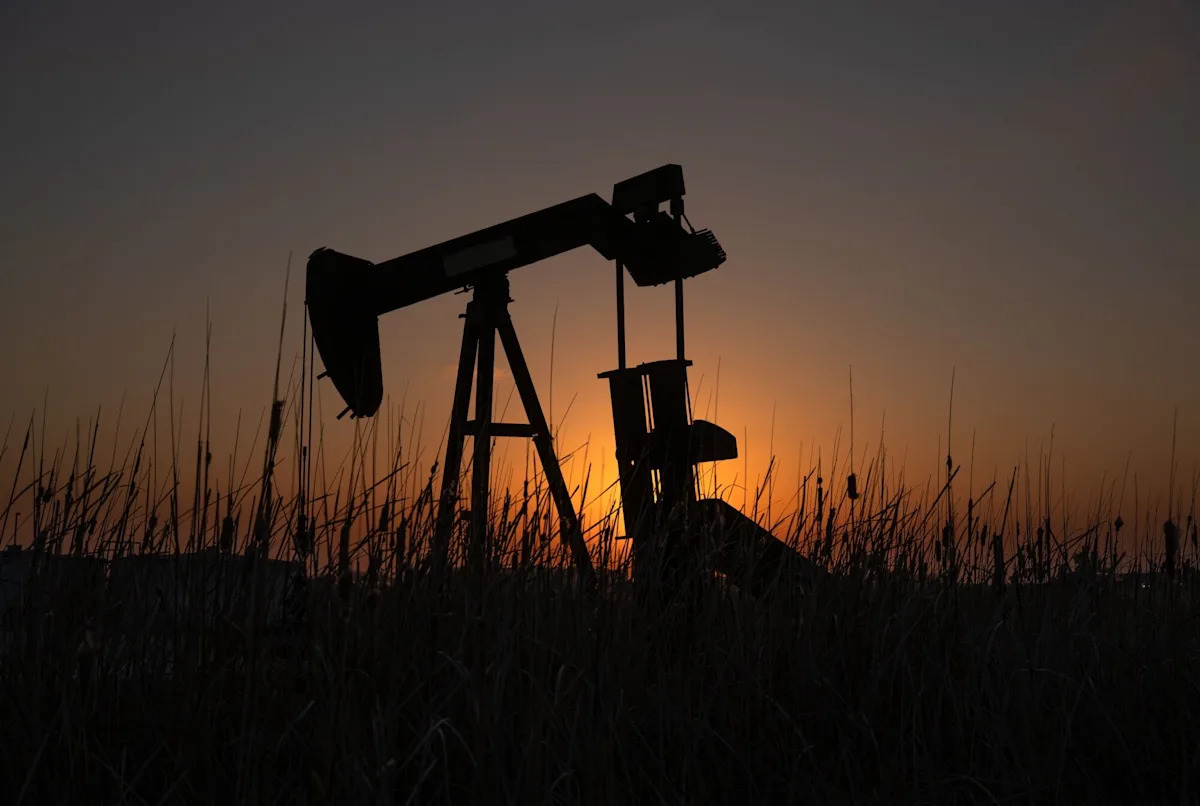
The disruptions have driven a dramatic surge in energy prices across both physical and futures markets. Brent crude, the international oil benchmark, briefly hit $119 per barrel before settling lower, while U.S. West Texas Intermediate (WTI) crude traded near $96 per barrel. In Europe, natural gas prices have nearly doubled since the escalation began, with a 13% day-over-day increase reported recently.
Physical oil markets have experienced even sharper price hikes. Middle Eastern Dubai crude reached a record $166.80 per barrel, far exceeding Brent futures prices. Prices for sour crude grades, such as Russia’s Urals and Norway’s Johan Sverdrup, have also surged as refiners seek alternatives to Middle Eastern supplies. Additionally, transport fuels like jet fuel in Europe and diesel have breached record levels, with European jet fuel hitting $220 per barrel.
Mitigation Efforts and Long-Term Implications
To stabilize the energy markets, discussions are underway to potentially ease sanctions on Iranian oil exports. Treasury Secretary Scott Bessent recently suggested this as an option, alongside a possible release of additional strategic petroleum reserves by the U.S. and its allies. However, such measures may fall short of addressing immediate supply gaps.
Energy analysts forecast prolonged disruptions due to the scale of damage to infrastructure and ongoing geopolitical risks. Rystad Energy estimates that oil prices could remain above $120 per barrel if attacks on Gulf energy facilities persist. Long-term, global energy markets may face elevated price levels and supply constraints, with repair and recovery efforts for damaged infrastructure potentially spanning months or even years.
 Sources

About the author





- Oil prices gains Netanyahu says Israel help reopen Strait Hormuz, Iran attacks Gulf energy infrastru
 yahoo
yahoo - Oil natural gas prices volatile following strikes Middle East energy hubsyahoo
- Prices oil, fuel cargoes smash record highs Iran war chokes Middle East supplyyahoo