Investment Opportunities in Costco and Target
Written by Emily J. Thompson, Senior Investment Analyst
Updated: 1 hour ago
0mins
Should l Buy COST?
Source: Fool
- Costco Stock Performance: As of March 19, Costco's shares have risen 13% this year, contrasting with the S&P 500's 3.5% decline, highlighting its strong market performance and attracting consumer interest in its value pricing strategy.
- Stable Membership Growth: In its fiscal Q2 2025 report, Costco achieved a 90% renewal rate, increasing paid membership from 81.4 million to 82.1 million, indicating the appeal of its business model and sustained customer loyalty.
- Target's Strategic Shift: New CEO Michael Fiddelke has committed to returning to a differentiated merchandise strategy; despite a 2.5% decline in same-store sales in Q4, management anticipates a slight increase this year, suggesting potential effectiveness of the company's strategy.
- Attractive Valuation: Although Target's stock has risen 17.1% this year, its P/E ratio stands at 14, still below the S&P 500's multiple, indicating attractive valuation and potential for investors to reap rewards in the future.
Trade with 70% Backtested Accuracy
Stop guessing "Should I Buy COST?" and start using high-conviction signals backed by rigorous historical data.
Sign up today to access powerful investing tools and make smarter, data-driven decisions.
Analyst Views on COST
Wall Street analysts forecast COST stock price to rise
24 Analyst Rating
19 Buy
4 Hold
1 Sell
Strong Buy
Current: 974.780

Low
769.00
Averages
1061
High
1205
Current: 974.780
Low
769.00
Averages
1061
High
1205
About COST
Costco Wholesale Corporation (Costco) operates membership warehouses and e-commerce sites that offer a selection of nationally branded and private-label products in a wide range of categories. The Company buys the majority of its merchandise directly from suppliers and route it to cross-docking consolidation points (depots) or directly to its warehouses. It operates 891 warehouses, including 614 in the United States and Puerto Rico, 108 in Canada, 40 in Mexico, 35 in Japan, 29 in the United Kingdom, 19 in Korea, 15 in Australia, 14 in Taiwan, seven in China, five in Spain, two in France, and one each in Iceland, New Zealand and Sweden. It also operates e-commerce sites in the United States, Canada, the United Kingdom, Mexico, Korea, Taiwan, Japan and Australia. The Company provides wide selection of merchandise, plus the convenience of specialty departments and exclusive member services.
About the author

Emily J. Thompson
Emily J. Thompson, a Chartered Financial Analyst (CFA) with 12 years in investment research, graduated with honors from the Wharton School. Specializing in industrial and technology stocks, she provides in-depth analysis for Intellectia’s earnings and market brief reports.

Costco's Stock Continues to Rise
- Stable Financial Growth: Costco's net sales and net income surged by 137% and 241%, respectively, from fiscal 2015 to fiscal 2025, demonstrating its stability and predictability across various economic conditions, thereby boosting investor confidence.
- Significant Investment Returns: Over the past decade, Costco's stock has generated a total return of 659%, meaning a $1,000 investment ten years ago would now be worth $7,590, highlighting its superiority as a portfolio holding.
- Improved Market Sentiment: Since March 2016, market sentiment towards Costco has significantly improved, with stock prices rising 13% in 2026 while the S&P 500 has declined by 3.5%, showcasing Costco's strong performance in the retail sector.
- High Valuation: Despite Costco's impressive stock performance, its current price-to-earnings ratio of 50.7 is 73% higher than it was ten years ago and above the 10-year average P/E of 39, indicating that new investors should carefully consider a long-term holding strategy.
See More
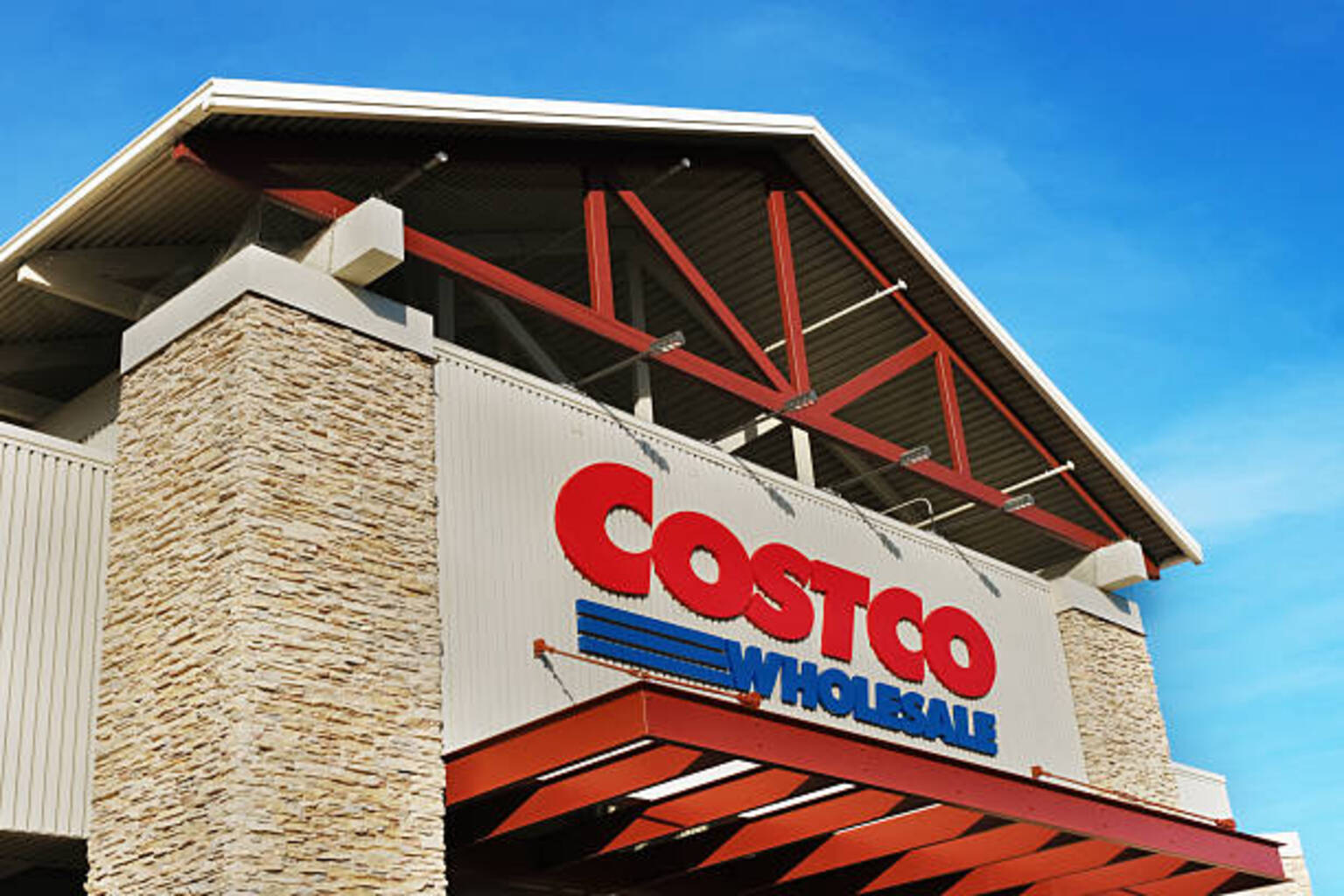
Costco to Open First Standalone Gas Station in California
- First Standalone Gas Station: Costco plans to open its first standalone gas station in Mission Viejo, California, in June, featuring 40 pumps and becoming the largest fuel facility to date, which is expected to alleviate long wait times at existing stations.
- Operating Hours and Membership: The gas station will operate daily from 5 a.m. to 10 p.m. and will be members-only, aiming to enhance customer experience while testing member loyalty outside of store environments.
- Future Expansion Plans: Costco is also working on a second standalone station in Kalihi, Honolulu, set to open in 2027; while a broader rollout has not been announced, the industry is closely watching this development, indicating confidence in its business model.
- Context of Rising Gas Prices: U.S. gas prices have surged since late February, reaching the highest levels since a spike in 2022, driven by rising crude oil prices due to the Iran conflict and seasonal demand, potentially creating opportunities for Costco's gas station business.
See More

Investment Opportunities in Costco and Target

- Costco Stock Performance: As of March 19, Costco's shares have risen 13% this year, contrasting with the S&P 500's 3.5% decline, highlighting its strong market performance and attracting consumer interest in its value pricing strategy.
- Stable Membership Growth: In its fiscal Q2 2025 report, Costco achieved a 90% renewal rate, increasing paid membership from 81.4 million to 82.1 million, indicating the appeal of its business model and sustained customer loyalty.
- Target's Strategic Shift: New CEO Michael Fiddelke has committed to returning to a differentiated merchandise strategy; despite a 2.5% decline in same-store sales in Q4, management anticipates a slight increase this year, suggesting potential effectiveness of the company's strategy.
- Attractive Valuation: Although Target's stock has risen 17.1% this year, its P/E ratio stands at 14, still below the S&P 500's multiple, indicating attractive valuation and potential for investors to reap rewards in the future.
See More

Two Stocks to Hold for the Long Term

- Costco's Growth Potential: As of March 19, Costco's stock has risen 13%, demonstrating strong market appeal while the S&P 500 fell 3.5%, with expectations of continued high member retention at 90%, driving long-term profit growth.
- Target's Strategic Shift: Despite a 2.5% decline in same-store sales, Target's new CEO promises a return to differentiated merchandise and improved customer experience, with expectations for a slight sales increase this year, indicating potential recovery ahead.
- Valuation Attractiveness: Costco's P/E ratio stands at 51, significantly higher than the S&P 500's 28, reflecting market confidence in its long-term success, while Target's P/E of 14 remains below half of the S&P 500, suggesting its stock is still appealing.
- Investor Confidence: Target's shares have increased by 17.1% this year, and despite challenges, investor support for its new strategy indicates that if executed well, substantial returns could be realized in the future.
See More
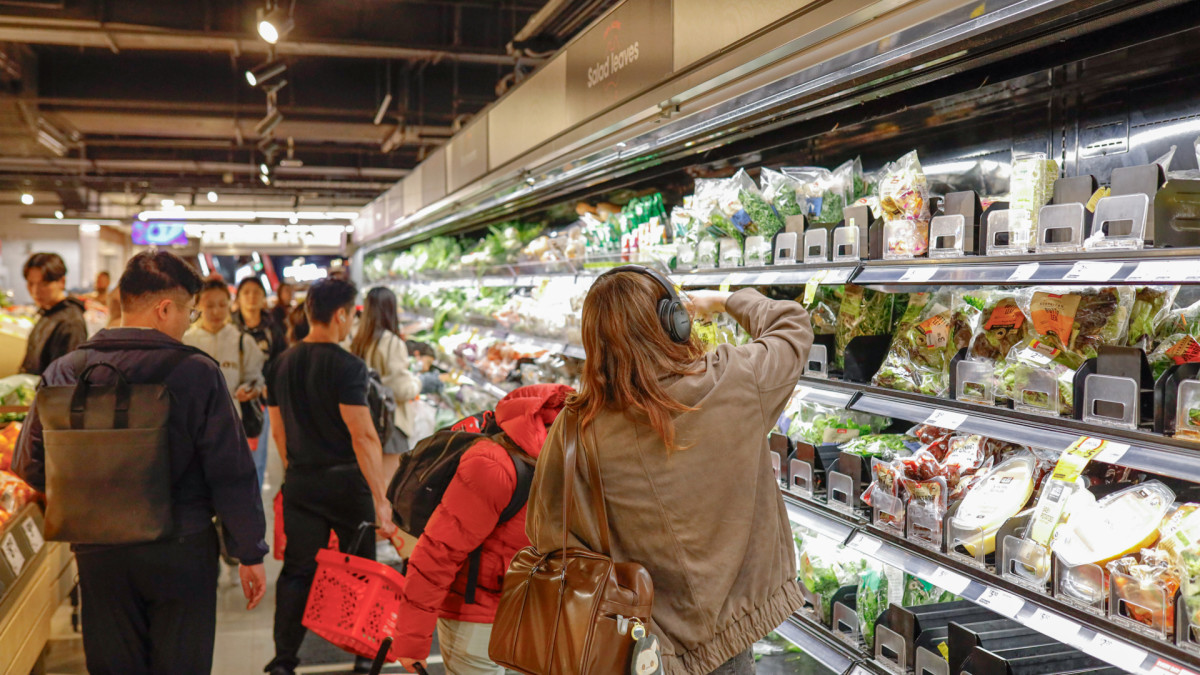
Harps Food Stores Acquires 18 Independent Grocery Locations

- Intensifying Market Competition: The top four grocery retailers account for 69% of U.S. grocery spending, with Walmart alone contributing nearly 35%, creating immense pressure on independent grocers, forcing many to adapt or exit the market.
- Acquisition Expansion Strategy: Harps Food Stores plans to acquire 18 stores from Dyer Foods, with the transaction expected to close by summer 2026, which will increase its total locations to 178, marking its largest acquisition in nearly six years.
- Maintaining Local Brands: The acquired stores will continue to operate under their existing banners, including Food Rite, Save-A-Lot, and Piggly Wiggly, allowing Harps to preserve local brand identity and enhance customer loyalty through a unified operating model.
- Industry Consolidation Trend: Harps' expansion reflects a broader trend of consolidation in the retail sector, as economic pressures and intensifying competition push independent grocers to adopt acquisition strategies to survive against larger chain competitors.
See More
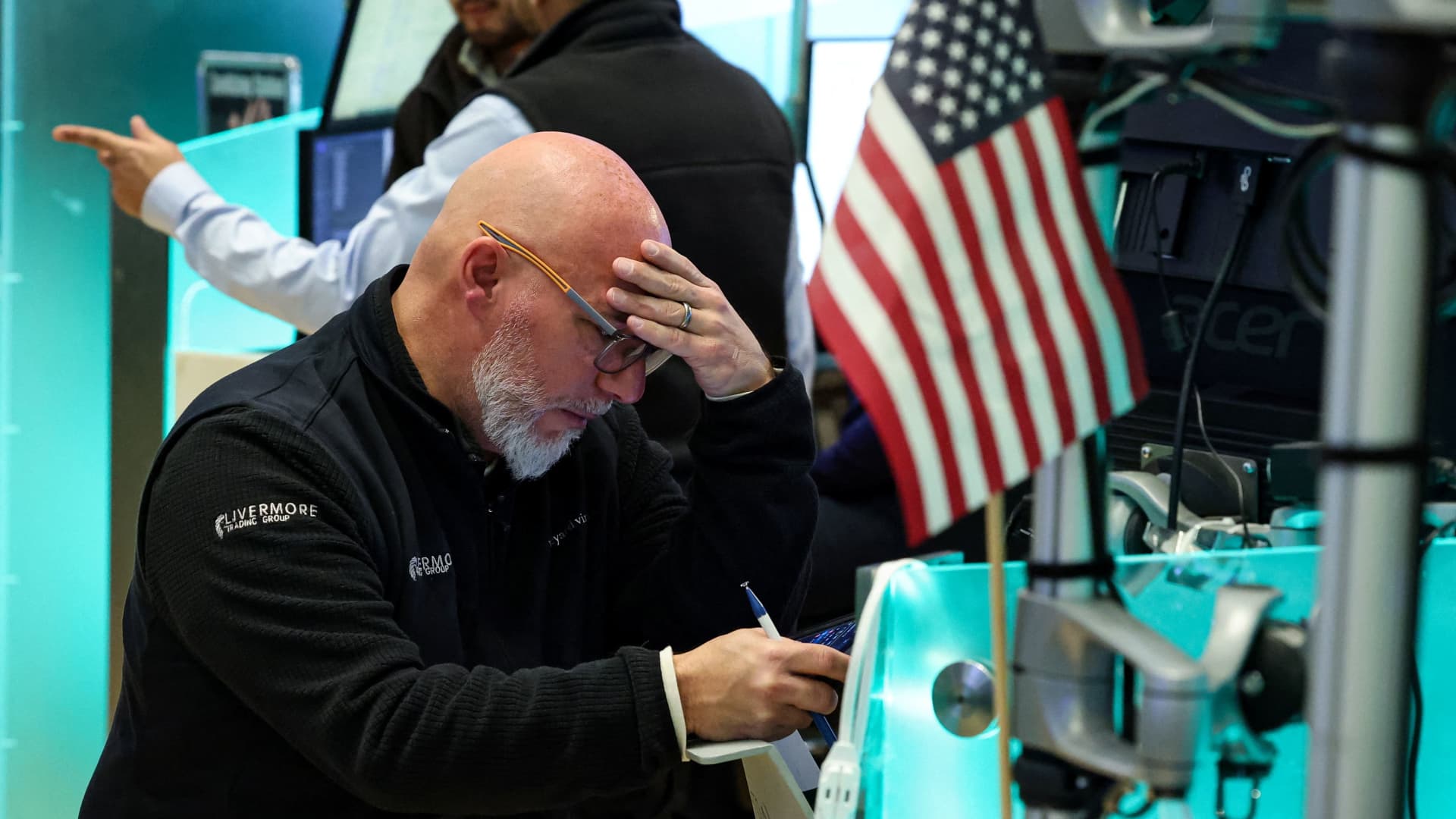
Stock Market Declines Amid Rising Inflation and Geopolitical Tensions

- Market Decline: The S&P 500, Nasdaq, and Dow have experienced their fourth consecutive week of losses, with declines of 1.5% and approximately 2% respectively, reflecting investor concerns over economic outlook amid the Iran war and rising wholesale inflation.
- Inflation Concerns: The producer price index rose 0.7% in February, significantly above the expected 0.3%, with Fed Chair Jerome Powell indicating that inflation is not decreasing as hoped, and the spike in oil prices is expected to exacerbate this trend, creating a 'one-two punch' for the market.
- Memory Shortage Impact: Micron reported nearly tripled revenue but cited structural supply constraints, with CEO stating they can only meet 50% to two-thirds of major customers' needs, leading to increased pressure on hardware companies from rising memory costs.
- Nvidia GTC Highlights: Nvidia's GTC conference revealed expectations of $1 trillion in orders for Blackwell and Vera Rubin chips by 2027, yet the stock fell 4% despite positive announcements, indicating a complex market reaction to AI chip demand.
See More
Costco's Stock Continues to Rise
- Stable Financial Growth: Costco's net sales and net income surged by 137% and 241%, respectively, from fiscal 2015 to fiscal 2025, demonstrating its stability and predictability across various economic conditions, thereby boosting investor confidence.
- Significant Investment Returns: Over the past decade, Costco's stock has generated a total return of 659%, meaning a $1,000 investment ten years ago would now be worth $7,590, highlighting its superiority as a portfolio holding.
- Improved Market Sentiment: Since March 2016, market sentiment towards Costco has significantly improved, with stock prices rising 13% in 2026 while the S&P 500 has declined by 3.5%, showcasing Costco's strong performance in the retail sector.
- High Valuation: Despite Costco's impressive stock performance, its current price-to-earnings ratio of 50.7 is 73% higher than it was ten years ago and above the 10-year average P/E of 39, indicating that new investors should carefully consider a long-term holding strategy.
See More
Costco to Open First Standalone Gas Station in California
- First Standalone Gas Station: Costco plans to open its first standalone gas station in Mission Viejo, California, in June, featuring 40 pumps and becoming the largest fuel facility to date, which is expected to alleviate long wait times at existing stations.
- Operating Hours and Membership: The gas station will operate daily from 5 a.m. to 10 p.m. and will be members-only, aiming to enhance customer experience while testing member loyalty outside of store environments.
- Future Expansion Plans: Costco is also working on a second standalone station in Kalihi, Honolulu, set to open in 2027; while a broader rollout has not been announced, the industry is closely watching this development, indicating confidence in its business model.
- Context of Rising Gas Prices: U.S. gas prices have surged since late February, reaching the highest levels since a spike in 2022, driven by rising crude oil prices due to the Iran conflict and seasonal demand, potentially creating opportunities for Costco's gas station business.
See More
Investment Opportunities in Costco and Target
- Costco Stock Performance: As of March 19, Costco's shares have risen 13% this year, contrasting with the S&P 500's 3.5% decline, highlighting its strong market performance and attracting consumer interest in its value pricing strategy.
- Stable Membership Growth: In its fiscal Q2 2025 report, Costco achieved a 90% renewal rate, increasing paid membership from 81.4 million to 82.1 million, indicating the appeal of its business model and sustained customer loyalty.
- Target's Strategic Shift: New CEO Michael Fiddelke has committed to returning to a differentiated merchandise strategy; despite a 2.5% decline in same-store sales in Q4, management anticipates a slight increase this year, suggesting potential effectiveness of the company's strategy.
- Attractive Valuation: Although Target's stock has risen 17.1% this year, its P/E ratio stands at 14, still below the S&P 500's multiple, indicating attractive valuation and potential for investors to reap rewards in the future.
See More
Two Stocks to Hold for the Long Term
- Costco's Growth Potential: As of March 19, Costco's stock has risen 13%, demonstrating strong market appeal while the S&P 500 fell 3.5%, with expectations of continued high member retention at 90%, driving long-term profit growth.
- Target's Strategic Shift: Despite a 2.5% decline in same-store sales, Target's new CEO promises a return to differentiated merchandise and improved customer experience, with expectations for a slight sales increase this year, indicating potential recovery ahead.
- Valuation Attractiveness: Costco's P/E ratio stands at 51, significantly higher than the S&P 500's 28, reflecting market confidence in its long-term success, while Target's P/E of 14 remains below half of the S&P 500, suggesting its stock is still appealing.
- Investor Confidence: Target's shares have increased by 17.1% this year, and despite challenges, investor support for its new strategy indicates that if executed well, substantial returns could be realized in the future.
See More
Harps Food Stores Acquires 18 Independent Grocery Locations
- Intensifying Market Competition: The top four grocery retailers account for 69% of U.S. grocery spending, with Walmart alone contributing nearly 35%, creating immense pressure on independent grocers, forcing many to adapt or exit the market.
- Acquisition Expansion Strategy: Harps Food Stores plans to acquire 18 stores from Dyer Foods, with the transaction expected to close by summer 2026, which will increase its total locations to 178, marking its largest acquisition in nearly six years.
- Maintaining Local Brands: The acquired stores will continue to operate under their existing banners, including Food Rite, Save-A-Lot, and Piggly Wiggly, allowing Harps to preserve local brand identity and enhance customer loyalty through a unified operating model.
- Industry Consolidation Trend: Harps' expansion reflects a broader trend of consolidation in the retail sector, as economic pressures and intensifying competition push independent grocers to adopt acquisition strategies to survive against larger chain competitors.
See More
Stock Market Declines Amid Rising Inflation and Geopolitical Tensions
- Market Decline: The S&P 500, Nasdaq, and Dow have experienced their fourth consecutive week of losses, with declines of 1.5% and approximately 2% respectively, reflecting investor concerns over economic outlook amid the Iran war and rising wholesale inflation.
- Inflation Concerns: The producer price index rose 0.7% in February, significantly above the expected 0.3%, with Fed Chair Jerome Powell indicating that inflation is not decreasing as hoped, and the spike in oil prices is expected to exacerbate this trend, creating a 'one-two punch' for the market.
- Memory Shortage Impact: Micron reported nearly tripled revenue but cited structural supply constraints, with CEO stating they can only meet 50% to two-thirds of major customers' needs, leading to increased pressure on hardware companies from rising memory costs.
- Nvidia GTC Highlights: Nvidia's GTC conference revealed expectations of $1 trillion in orders for Blackwell and Vera Rubin chips by 2027, yet the stock fell 4% despite positive announcements, indicating a complex market reaction to AI chip demand.
See More